This semester I’m teaching a course called Biosphere in Translation. It’s about how we think of ourselves as part of or apart from the natural world. Here in the US, we are steeped in what we call the “Western” worldview. This worldview sees humans as apart from Nature. Nature has things that we humans need to fuel our civilization. We take from Nature those things- water, oil, wood, land. Of course, part of that worldview means that we want to understand Nature. Understanding, we believe, will help us better use, find, and extract natural “resources” for the benefit of humans.
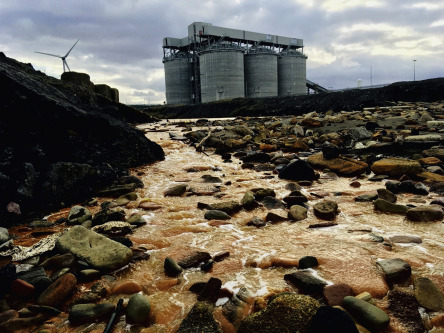
This worldview has yielded incredible things- in fact, our entire way of life. Studying the natural world, its physical aspects (Physics), chemical aspects (Chemistry), biological aspects (Biology), geology and environmental interactions, catapulted Western civilization into the modern, industrial age.
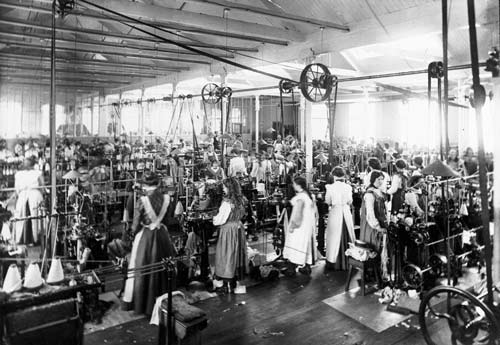
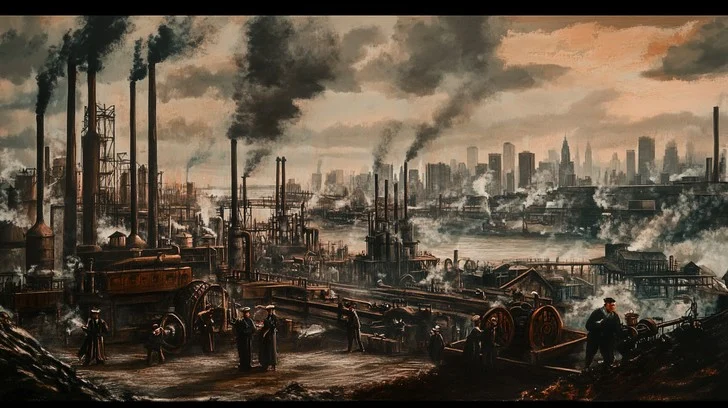

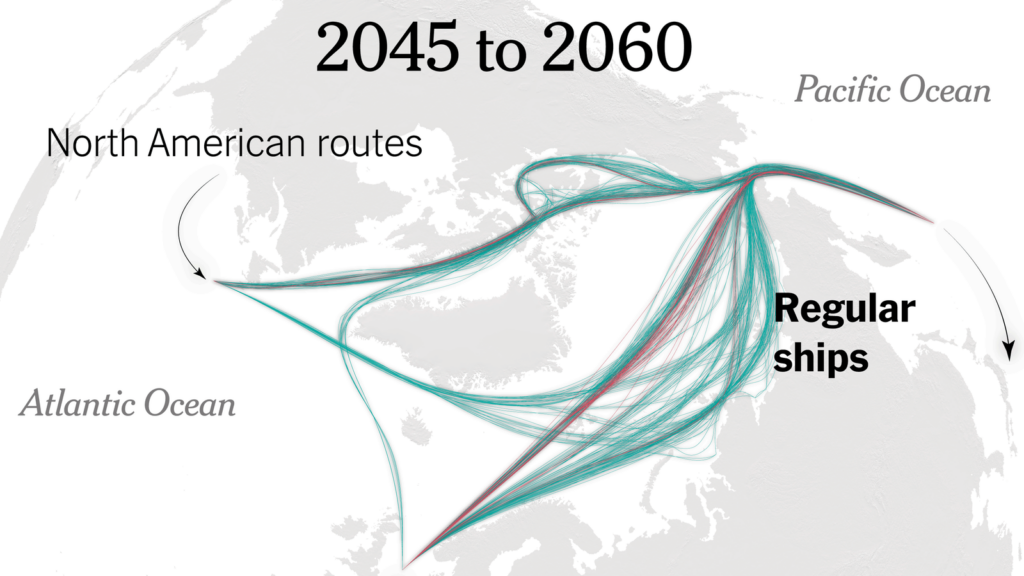
We see Nature as the source of the raw materials for our civilization. We see Nature as a place outside of our civilization (the wilderness), where we go to take things we need for our civilization. We see natural resources as things to own, hoard, profit from. I mean, look at the current craziness where the US president wants to acquire Greenland. A lot of that push has to do with the natural resources- oil, minerals, control over arctic shipping and trade, fishing, and much more. Control those resources and profit. We rub our hands together in glee that the melting of the arctic ice will yield countless more treasures to extract from the planet.
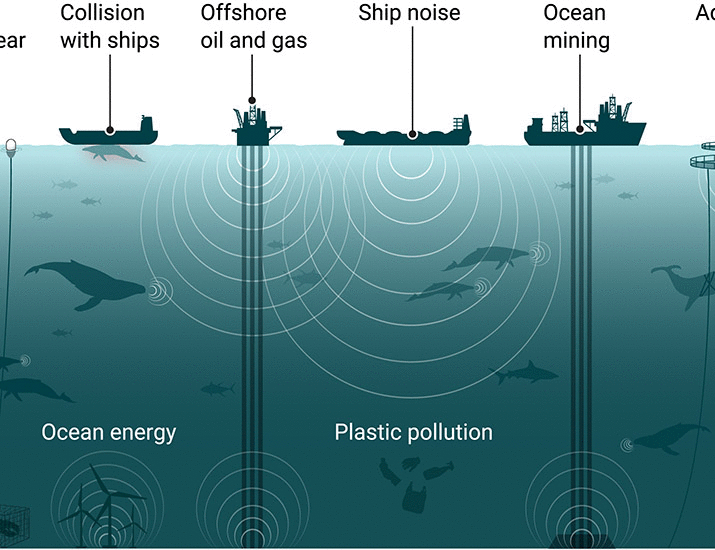
For over 20 years, a crucial part of any grant proposal to the NIH (National Institutes of Health) or NSF (National Science Foundation) is to convince the funding agencies that the research you have proposed will directly or indirectly benefit humans. How will humans benefit from understanding how hazardous chemicals destroy the reproduction of aquatic organisms? How will humans benefit from understanding how wildfire smoke damages the lungs of small mammals and birds? How will humans benefit from understanding how undersea machine noise and explosions damage the ability of whales to hear and communicate?
There’s been a lot of talk lately about how the US has lost its moral compass in how we are treating our own people as well as other people in the world. Western civilization never really had a moral compass when it comes to thinking about human’s place in the natural world. It is dangerous to not care about the planet (and its nonhuman inhabitants) that keeps us alive. We need an attitude readjustment.

This little planet gives us life. We are organisms, just like worms, eagles, frogs, wolves and polar bears. We all need this planet to survive. Why are we hell-bent on destroying it? Why do we not care about other organisms, just for their own sakes, as opposed to how they benefit us? Nature bears silent witness to our self-centered, selfish and wanton destruction of the life around us. We are killing ourselves as well as other beings with our greed and careless disregard for other life. Refusing to pay attention is to be complicit.
Take a few moments out of your human-centered day today to think about the non-human world. It’s not “out there.” We are in it. Make this year a year where you broaden your mind and extend care towards your fellow Earthlings. Do something kind for non-humans. Here are a few easy ideas:
- Stop using pesticides on your lawn.
- Support local, organic, farmers who care for the land they work.
- Plant (or buy) native flowering plants for the insects.
- Give a little money to a local organization devoted to the non-human world around you.