

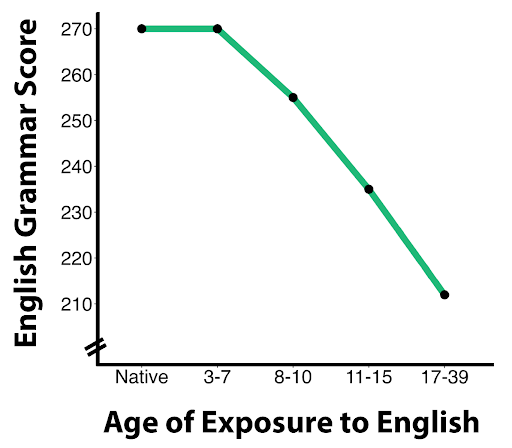
For most of us, if you’re exposed to more than one language as a young child, it’s much easier to become fluent in those multiple languages, and the language skills stick with you much better than if you try to learn another language in adulthood. We often think of this feat in childhood as a developmental window or critical period when the brain’s ability to develop new pathways and circuits is most pliable, or plastic.
Likewise, for most of us, being exposed to strong spices or strong, especially bitter, tastes is super repugnant when you are a child. Think about how many kids turn up their noses to mushrooms or balsalmic vinegar marinade, and instead want mac and cheese every single day. But, come adulthood, we love trying new cuisines and the stronger the flavors the better. There are changes in the taste system as a result of exposure and experience.


In both cases, what’s happening are changes to our brain and sensory systems as a result of both our experiences AND our developmental stage. Our brains are malleable at all ages, but some pathways and some functions develop at different times in our overall life. And some pathways and functions are particularly plastic (able to change) at certain developmental stages and less plastic before and after. These more-malleable periods are called critical or sensitive periods.
Let’s dive into this a little bit and over the next few newsletters explore the impact of chemical exposure, like PFAs or pesticides, at different time periods in our lives.
Developmental Critical and Sensitive Periods
These are times in development when the nervous system is particularly responsive to external inputs (like chemicals, events and other stimuli) that the system “learns,” in a long-term kind of way. These periods help the individual adapt to the environment they are in. The language(s) spoken around them; the tastes of the food; the noise and other characteristics in the environment around us. You can think of these time periods as when we get calibrated, or acclimated, to the environment in which we are growing. It’s almost like we are absorbing the marinade ingredients around us, changing as a result. Widespread changes in the wiring of the brain, the immune system, and even the gut are coordinated through hormones and patterns of gene expression. Lots of cell signaling is going on, resulting in the coordinated maturation of tissues, organs, and the nervous system that operates them, specially tuned for where you’re growing up.


These particular sensitive periods are also times of incredible internal change- fetal development, early childhood, and adolescence are all particularly active periods of internal change. Lots of development is going on. So, when someone is exposed to chemicals or harmful inputs during these periods of growth and development, the changes can be particularly harmful. Especially if the chemicals can affect how nerves work, how hormones work and how genes are expressed.
Let’s take a couple of examples of normal developmental sensitive periods.
Fetal development- the ultimate in sensitive periods
During fetal development, basically everything is rapidly changing and developing, as result of hormones (including from the mother) and complex patterns of developmental genes turning on and off, as tissues signal each other. During fetal development, the precise presence, concentration and time of chemical signals play out in a phenomenal symphony. If one section of the orchestra gets out of tune, or plays at the wrong time, the piece suffers (and so do your ears!).

This is why chemicals that interfere with the complex processes going on can have such a profound impact. Here’s one well-studied example: Pregnant women who are suffering starvation. The most famous example (in the scientific world at least) was a 15 month-long famine in Amsterdam (Netherlands) during World War II. Women who were pregnant during that famine continued to receive medical care and the doctors kept meticulous records of the women’s nutritional status and also what happened when their babies were born (and thereafter). Starvation is a major stressor (not to mention being in a war zone is stressful!), so the women were marinating in stress hormones. In addition, because their bodies were starving, other hormones and metabolic products from the breakdown of body fat and muscle, were also circulating in their blood. Beginning after the war, continuing to today, physicians and researchers have followed the fate of their children.

The effects of the mother’s starvation on her baby depended on what organs were developing at the time. Famine in the early period of pregnancy led to low birth weight and head circumference in the babies. When these babies grew up, they were more likely to develop Type 2 diabetes in adulthood, more likely to have cardiovascular disease, more likely to get breast cancer and to live shorter lives. There was also a higher incidence of schizophrenia, depression and anxiety in offspring exposed to famine in early gestation (as well as a host of babies suffering neurodevelopmental abnormalities like spina bifida). Some effects were more likely in women offspring than men offspring.
Fetuses exposed to famine conditions later in gestation also suffered low birth weight, but had different health effects in adulthood. Exposure in the middle time of pregnancy affected the development of kidney function in the babies that persisted through life, and the offspring were more likely to suffer from renal disease. Exposure later in fetal development, at a time when the lungs were maturing, put the offspring at high risk for obstructive lung disease later in life.
The long-term study of these offspring is now looking at the rate of aging in these famine-exposed offspring, as well as likelihood of neurodegenerative disease like Alzheimer’s. Another study is looking into persistent health effects emerging in their children (so the grandchildren of the mothers who lived through the famine). How wonderful that all these people have allowed themselves to essentially be experimental subjects for their entire lives. To help all of us better understand the consequences of severe hunger on our lives and those who come after us. Wow.
Developing depth/3D vision – a critical period
We develop the ability to see in three dimensions early in childhood because this is when our visual system is developing that ability. It requires visual input for the eyes to learn to focus on objects in three dimensional space at the same time. As the eyes focus, the input from the eyes to the brain trains the visual pathways that converge the information from each eye together – binocular input. There are six muscles and three cranial nerves involved in focusing and moving each of our eyeballs, so that’s a lot of coordinated development going on.
If the eyes do not work precisely together, the pathways might develop in way where the eyes do not align, a common condition found in 1 out of 20 children called strabismus. We casually call this “lazy eye.” If untreated during the developmental sensitive period, an individual might actually not be able to accurately discern the depth or distance of an object. The developing system can be rescued up until about 8 or 9 years of age, through using eye patches to strengthen each eye independently and together, specialized glasses or even eye surgery. Here’s a visual (trigger warning- if lazy eye pictures gross you out, do not click).
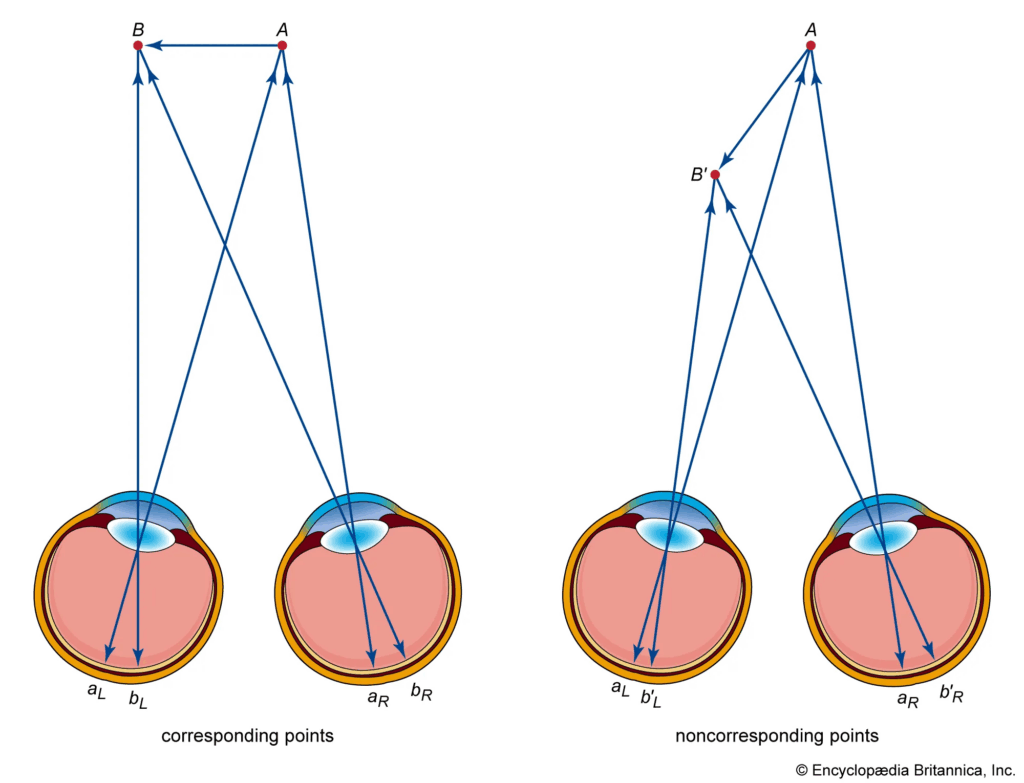
This is a critical period because the “wiring” becomes fairly permanent once the window of responsiveness closes. Scientists are still actively studying the controls of these critical windows of plasticity.
Since this newsletter has gotten a little long, I’ll leave it with these two examples. Next week, I’ll consider what happens if someone is exposed to a bad-news chemical like a pesticide during fetal development, particularly what can happen later in their life, as they get older. I hope you’ll stay tuned and join me next week!
This newsletter is devoted to explaining how biology works and how it is relevant to our daily lives. Most of us stopped learning about biology in high school or even middle school. And the way we learned it was as isolated concepts and vocabulary to memorize. I hope that this newsletter helps you rekindle that love of biology and might even help with better understanding of some of the important biology all around us. Please share this with anyone you think might want to take a look.
Thanks for reading!