
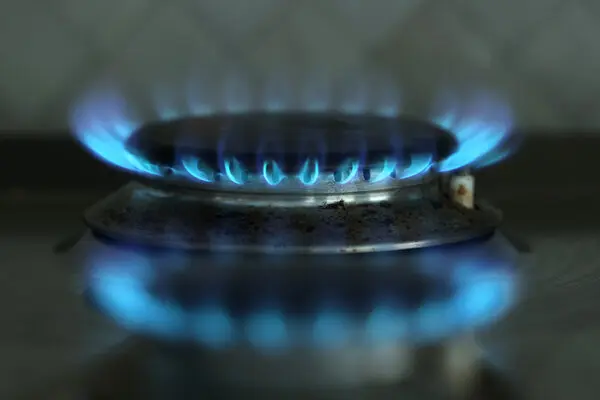
Ah, the appetizing aromas in the kitchen as meals are prepared: baking bread, sizzling bacon, bubbling sauces. Then there are the scentless emissions: methane, carbon dioxide, carbon monoxide, benzene, nitrous oxide and nitrogen dioxide. The specialities of gas stoves. Needless pollutants.
We’re not used to thinking about how toxic our indoor air might be and how it might be impacting our health. Or, we might be concerned about indoor air quality in the workplace, but just assume that our homes are safe havens. If you have a gas stove or gas/oil furnace or water heater, your indoor air is toxic and contributing to asthma, allergies, autoimmune conditions, and even heart disease. Just as much as riding a bike behind a black smoke-spewing truck or bus. Except you breathe the air for upwards of 12 hours a day. That toxic air from the kitchen moves throughout the home and can settle in bedrooms and last for hours.
In the 19th and early 20th centuries, modern homes came equipped with gas lines to provide light, heat and indoor cooking. A tremendous advance compared with the large hearth fireplaces of the 18th century that required constant stoking.


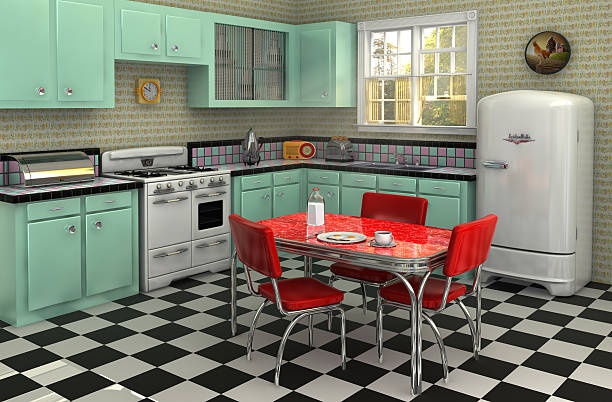
In the 21st century, we have broad choices for how we cook and bake, in particular, electric stoves/ovens. These can even be powered by roof top solar panels. Kitchen cooking can be cleaner, safer for the environment and healthier for us. Those gas stoves that companies try to romanticize as being chic, and try to convince us that the food actually tastes better, create indoor air pollution that’s bad for our health and contributes to carbon emissions in the outdoors as well.
You think, ah, but my gas stove can’t possibly matter to the entire planet, can it?
Gas stoves are found in 38% of homes in the US, according to a 2022 report from the US Energy Information Administration, and their emissions contribute as much planet warming gas as half a million cars. There are ongoing political culture war battles about gas stoves- to ban or not to ban. These battles are fueled by the fossil fuel companies. It’s a myth that food tastes better when cooked on a gas stove. It’s a reality that the stove emissions contribute to disease.
I recently read an alarming article from 2024 in Environmental Health Perspectives. Nitrogen dioxide levels in indoor kitchens, particularly if you cook on the stove top without a ventilation fan on, can rapidly increase to levels associated with a 20% increased risk of asthma in kids. Another study estimates that almost 13% of childhood-onset asthma cases in the US are attributable primarily to gas stove use. In June 2022, a study published by the Stanford-PSE Healthy Energy Team demonstrated that some gas stoves also produce levels of benzene and formaldehyde that exceed WHO (World Health Organization) safety margins – both chemicals are linked to cancer. Having that open flame on the stove top (and in the oven too) also produces harmful byproducts of burning the methane or propane gas that are called Volatile Organic Carbons (VOCs) and even char particles that we inhale and that can lodge deep in our lungs. Gas stoves/ovens are fires burning fossil fuels in our homes, after all. The WHO has estimated that gas stoves are responsible for 3.2 million premature deaths in the world every year.
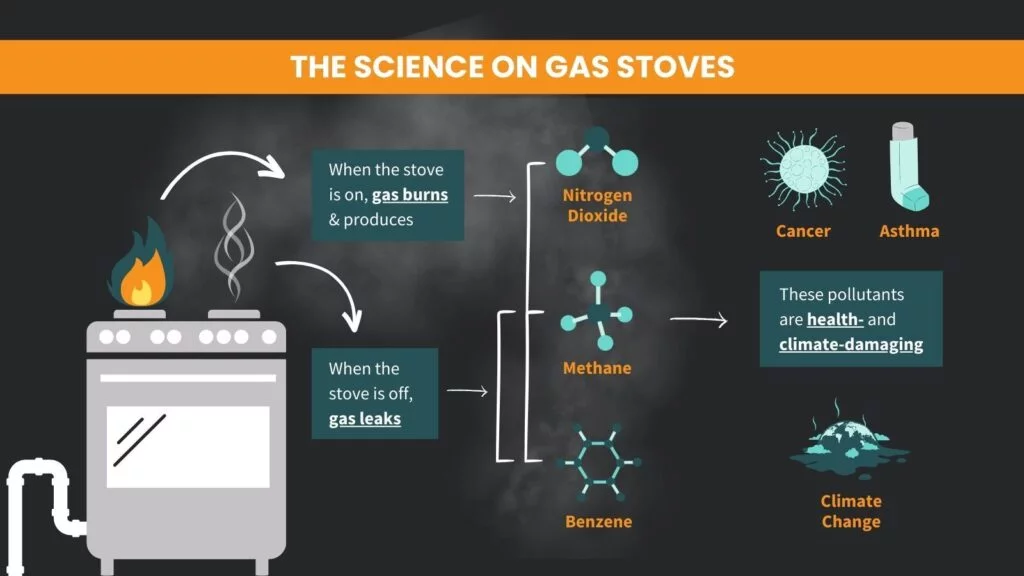
Even if the stove isn’t lit or on, toxic gas leaks out. Here’s a figure from the PSE website:
There is nothing “good ol’ days” about gas stoves. There’s nothing cool or fashionable about gas stoves. Nothing gourmet. They are unhealthy and dangerous. It’s crazy that gas stoves in homes and restaurants have become yet another political war zone, one where kids’ and the elderly’s and restaurant workers’ health is in the cross hairs.
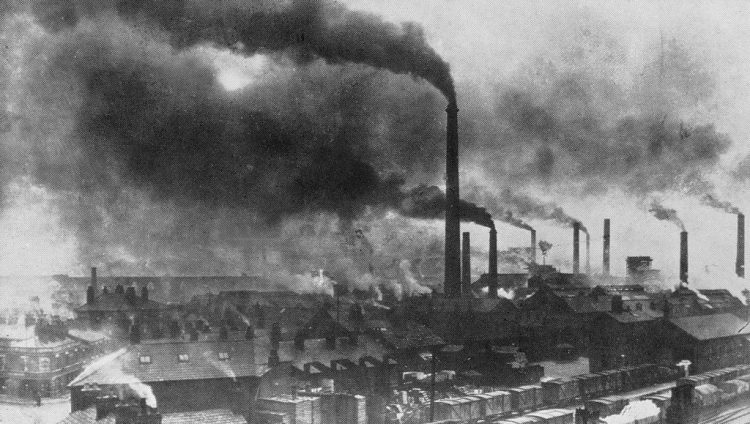
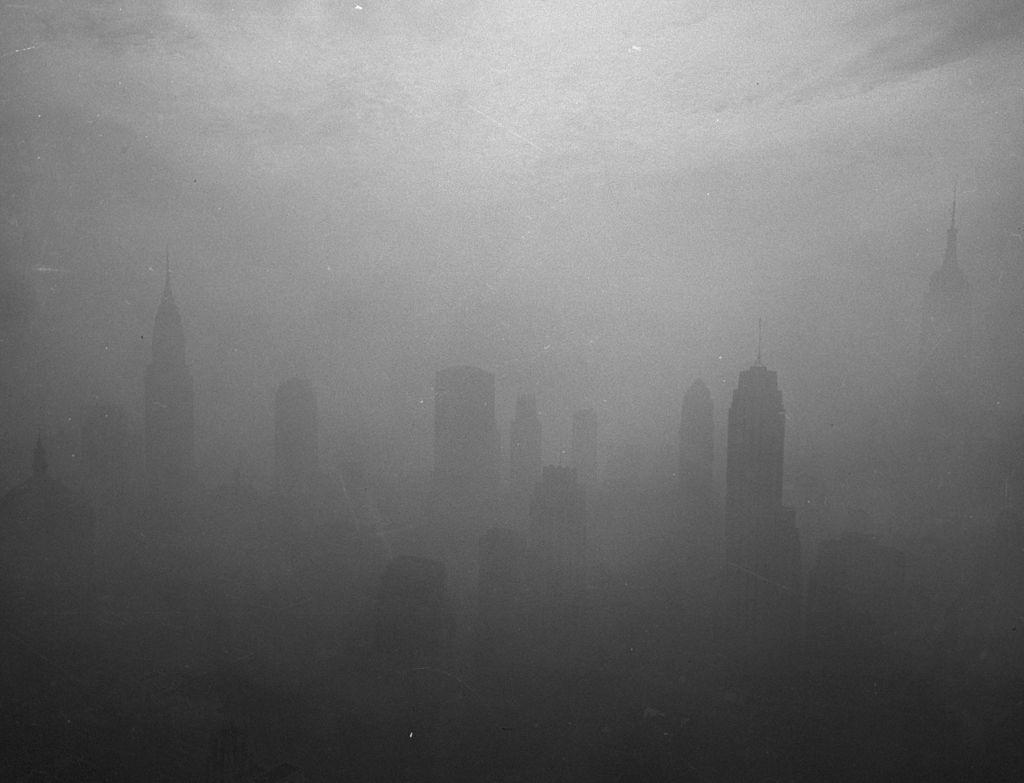
In NY, where I live, a lot of older apartment buildings provide gas stoves and fossil fuel heating (subject of another newsletter) for their tenants. In a groundbreaking action, the state has banned the use of natural gas in new buildings, starting with buildings with fewer than seven stories in 2026 and taller buildings by 2029. Sadly, there are exceptions for public spaces, including restaurants and hospitals. The residential building ban is terrific news not only for achieving emission reduction goals in the climate fight, but also for public health. Unfortunately, the fossil fuel barons are fighting back, and Republican-led states are banning bans. They’d rather sicken folks in order to stay in power and continue being bought by the fossil fuel industry. They actually seem &@#-bent on taking us back to the days before climate regulations, where the air was choking on coal and gas soot and rivers could catch fire.
Why?
Profit, Power, Control. It’s weird to me that those best situated to improve conditions for themselves and their descendants choose short-term profit and personal power over making a difference. Lots of reputable economists have demonstrated that the shift from fossil fuels to solar, wind and geothermal benefits the fossil fuel companies themselves. There’s a tremendous market out there.
I’m sure when folks shifted from horses to automobiles, from stagecoaches to trains, there was push back from those soon-to-be-dying industries. But this is different. The infrastructure created to extract, produce and distribute fossil fuels can be adapted towards green electricity. For just one example, retired oil rig platforms can be repurposed to hold solar panels or even wind combines.

Back to gas stoves.
Residential and commercial (restaurants, businesses) heating, cooling and cooking contribute as much as 30% of the carbon emissions in this country. 78% of that is from direct burning of fossil fuels (natural gas, fuel oil, propane). That direct burning of fuel inside the home (and workplaces too) traps toxic fumes, invisible gases, inside that we then breathe in.
If you live in an apartment that has gas stoves, or if you cannot afford to convert your home stove to an electric one, what can you do?
The most important step you can take is to ventilate your kitchen thoroughly the entire time and every time you use the stove. Every time. Make sure your stove fume hood vents to the outside (many just vent into the kitchen- ridiculous). If it doesn’t vent to the outside, open windows. The Inflation Reduction Act still has funds to provide homeowners with rebates and other incentives to replace gas stoves, water heaters and other appliances with electric ones. Depending on household income, the rebates could be 100% of the cost. Michigan, Massachusetts and New York all have state programs to provide assistance to switch to electric.
Support local efforts to prohibit natural gas lines in new housing developments and protest efforts to revoke or reverse bans.
Sadly, because of the politicization of fossil fuels versus clean electric, for many folks, gas stoves aren’t going anywhere anytime soon. Their health and that of their children will remain at risk from indoor air pollution.