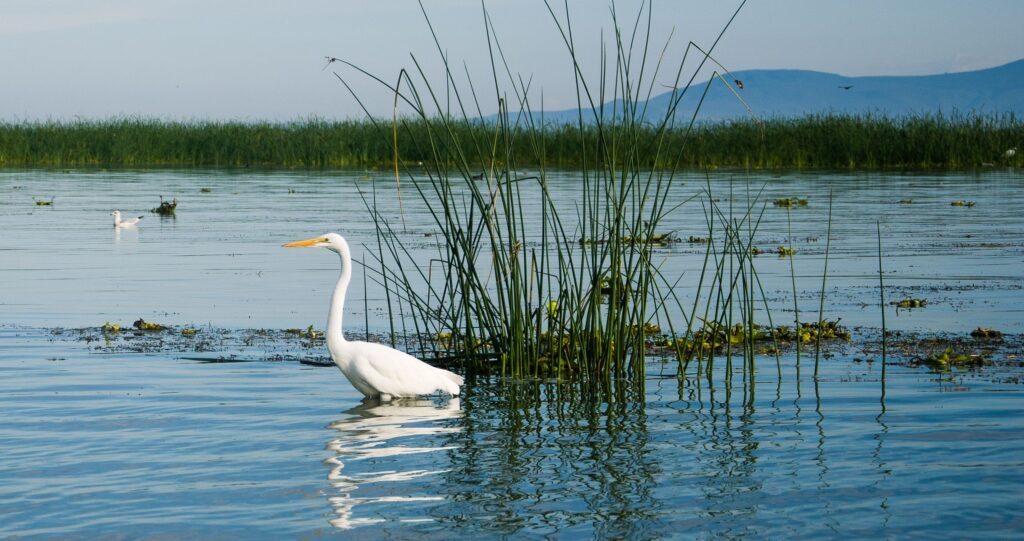
When we travel to a different country, we often ask if the water is safe to drink. What do we mean safe? Most of us mean we don’t want to get sick, like GI (gastrointestinal) sick, like traveller’s diarrhea. Most water-borne illnesses that we fear are caused by bacteria in the water, particularly harmful bacteria like E. coli or various viruses and parasites. But sometimes the bacteria that live in the water in different places don’t make the people who live there sick. That’s because the inhabitants have been exposed to the bacteria for a long time and have developed some immunity. Nonetheless, the prevalence of illness from contaminated water is pretty high among inhabitants too, especially children. For example, take a 2018 study on drinking water contamination illness in Guadalajara, Mexico, where 60% of the water to this city of 7 million is Lake Chapala.
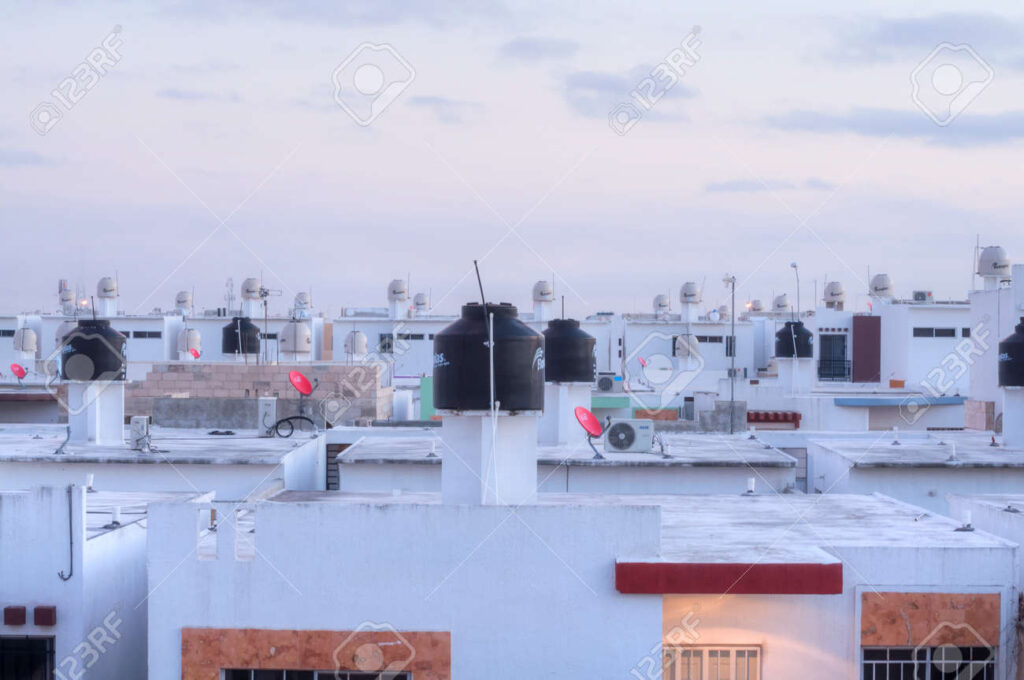
Despite vast improvements in water treatment facilities, a large number of families keep their own water supplies for drinking in roof top tanks, from rainwater, because they don’t trust the municipal water. The majority of families boil or treat their water from the taps chemically before using it to cook or wash vegetables. The study reported lots of the people they surveyed had periods when their municipal water was discolored, or smelled bad. Levels of chlorine in all the water sources (including the rooftop tanks) tended to be high. Despite the treatment of the water supply, there were high levels of coliform bacteria (these cause the GI illnesses), particularly when water levels fluctuated, in both the rooftop storage tanks and the municipal supply.
If you google, “where is it unsafe to drink the water,” you’ll see India, Mexico, Vietnam and a few other countries near the top of a pretty long list. What these destinations have in common is bacterial and even parasitic water contamination and sometimes dangerous chemicals stemming from inadequate water treatment most often because of infrastructure strains, as well as financial, political, and regulatory issues. The water quality and safety is also influenced by the source of the water. In areas where water is scarce (or population demand exceeds supply), lower levels of source water increase the concentrations of chemicals and other contaminants and can exceed the ability of the water treatment plants to filter or remove the contaminants. The quality of the source water, like a river or reservoir, also affects how well the treatment facilities can purify it. If you start with highly contaminated water, the likely outcome is slightly less contaminated water. If there are no regulations in place to protect the water source, then there’s no incentive for businesses operating near those sources to prevent contaminants from entering the water.
Water that is safe to drink should be free of harmful bacteria, viruses and parasites, the things that make us acutely ill, but also should be free of the more insidiously harmful things like pesticide residues, heavy metals, industrial waste chemicals, seepage chemicals from landfills and dumps. Even if the water looks clear and doesn’t smell and you don’t immediately get sick, your water may harbor lots of invisible chemicals dissolved in it, that cause harm in the form of autoimmune disease, cancer risk and much more.
Surprisingly, the United States does not show up on the list of safest tap water (but Canada does). Here are some reasons our water doesn’t show up on the good quality lists:
- An aging or aged intrastructure in many regions in the country add lead and copper to the drinking water- for example, a 2023 report from the NRDC (Natural Resources Defense Council) pointed out that more than 60% of the homes in Buffalo NY still have lead pipes. There’s also lots of leaded pipes in Florida, Illinois, Ohio, New Jersey, Minnesota and Wisconsin (and really in all 50 states). The lead enters the water on its way to the faucet. Not good. Check out this helpful map and see if your area has lots of lead piping. A good rule of thumb is if your residence is in a building that was built before 1986, you might have lead in your water pipes.
- Runoff from land used by agriculture, industrial areas, residential areas- especially pesticide use in suburbs, urban areas, roads or airports leads to harmful chemicals in the drinking water. Runoff of PFAs and heavy metals, particularly from industrial sites or even superfund sites, also plague many areas around the country. In that same report, the EPA estimated that “up to 6300…drinking water systems, serving up to 94 million people,” are contaminated with levels of PFAs above the acceptable levels. There are hundreds of chemicals, and only a few are filtered and removed from source water.
- Storm water overwhelming sewage treatment and entering the drinking water supply after heavy rains and flooding is a huge problem in many areas of the country. Increasingly, communities are asked to boil water after severe storms.
- Saltwater contamination in coastal communities resulting from storm surge infiltration or, increasingly, just high tide.
What’s in the US drinking water? Of course, this depends on where you live.
To answer this, let’s take the example of my drinking water. I live in the Hudson River Valley in NY. The water in my residential area comes from two groundwater wells, primarily. The Town’s annual report on water testing results said: “total coliform [bacteria], turbidity, inorganic compounds, nitrate, nitrite, lead and copper, volatile organic compounds, total trihalomethanes, and synthetic organic compounds. None of the compounds we analyzed for were detected in your drinking water.” That’s good news! However, with hundreds of different chemicals, not all are being monitored, so it’s important to pay attention to local news about new contaminants. For example, a report published in March of this year (2025) showed PFAs in the Hudson river near an airport with a National Guard Base that used firefighting foam for training exercises, affecting the drinking water of the city of Newburgh and other nearby communities. The good news is that ongoing monitoring can identify risks and new contaminants and remediation and clean up can happen. The bad news is that remediation is expensive and can take years.
If you don’t monitor, you won’t know. In this case, what you don’t know CAN hurt you.

How is drinking water regulated?
In my neck of the woods, the public water supply is regulated by NY State Department of Environmental Conservation (NY DEC) and New York State Department of Health. More than 100 different chemicals/contaminants must be monitored at least once each year and sometimes more often. The state, in turn, bases its acceptable limits of various chemicals and other contaminants on the federal EPA standards. There are quite a few areas in NY State where there are contaminants of concern, like industrial chemicals (PCBs and PFAs), sewage discharge from boats, runoff from farms of bacteria, pesticides and other chemicals. There can be seasonal variations, too. For example, when drought conditions reduce the levels of water in reservoirs, rivers, and lakes that are water sources. Or when storms lead to local flooding that overwhelms storm sewers and the water exceeds the treatment facilities’ capacities. Increasingly, our drinking water sources suffer harmful algal blooms (where the algae produce toxins that enter the water) from the fertilizer runoff from residential and agricultural land that drains into reservoirs and other water sources. Another source of contamination of water in my area is road salt applied to the many roads during the winter.
The EPA is the ultimate source of regulations on our nation’s drinking water, through the Safe Drinking Water Act of 1974. The kinds of chemical contaminants and the aging infrastructure of the distribution networks were not part of the original legislation, so there has been an increasing need to refine and revise the legislation to keep up with the present-day. It’s also really difficult to upgrade and replace the aging infrastructure, particularly in poorer communities who are the major inhabitants of old housing. The NRDC reported that between 2018 and 2020, “at least 186 million, more than half the country’s population drank water with lead levels exceeding” recommended levels. The Lead and Copper Rule was strengthened in Oct. 2024, but those higher safeguards were removed by the Trump Administration earlier this year.
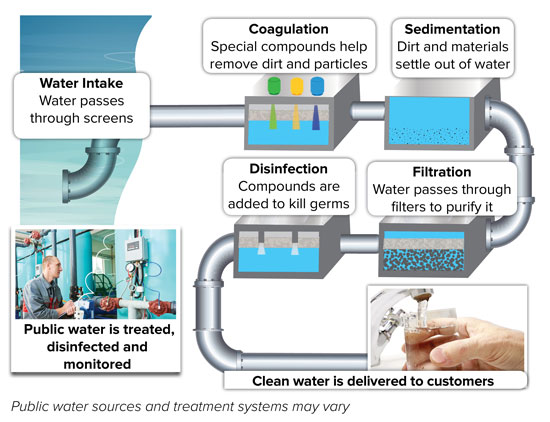
How is water purified? Here’s a helpful diagram of the general steps from water source to your faucet.
Let’s bring this back around to what we know about water
We know that water’s life-giving property of polarity makes water a wonderful solvent, so lots of different substances can dissolve, at least partially, in water. The substances can come from the rocks surrounding the water source, or the pipes from the water system, or from water running off from the land, or from industries and agriculture actually adding materials into the water. Water treatment facilities can remove a lot of these substances, using filtration and disinfectants of various sorts. So, in theory, we should be able to recover the H2O, add in various trace minerals that are healthy, and basically recycle the water, right? Well, that depends.
How do you feel about this example? (This example is in a great book called The Big Thirst, by Charles Fishman.)
Charles Fishman tells the tale of a city in Australia suffering a severe water shortage in 2005 (the drought, called The Big Dry, lasted until about 2012) and everyone was extremely fearful that they would not have enough water to drink. The mayor pursued a striking idea of purifying water from recycled sewer water. The idea was to filter and purify the water to levels seen at microchip factories- make it so clean that they had to add back minerals (cuz basically it was distilled water, pure H2O). It turns out this isn’t so far-fetched- a number of water-strapped areas, including in the US, treat sewer water like this and then they pipe it back into the reservoir or even underground aquifer, to mix with the source water and enter the water distribution system again. That’s called, “polishing” the water. In these cases, maybe it’s best not to know? It feels kind of yucky to say that some of your tap water originated from your toilet.
In the case of that Australian town, the mayor was upfront and clear about the science, but the people were up in arms and preferred a much more costly importation of bottled water (the subject of the next post). In the end, they opted for an incredibly expensive project of laying pipes to pump water from another reservoir miles away. Now their water bills are kind of ghastly. Dwindling freshwater sources are big issues in many regions of the world, including the US.
Having a good understanding of what’s in water and why is pretty helpful, I think. All this talk of water makes me thirsty! Gulp
Please consider sharing this post with others you think might find it interesting. And, check out the earlier posts to learn more about water and chemicals! Thanks for reading.