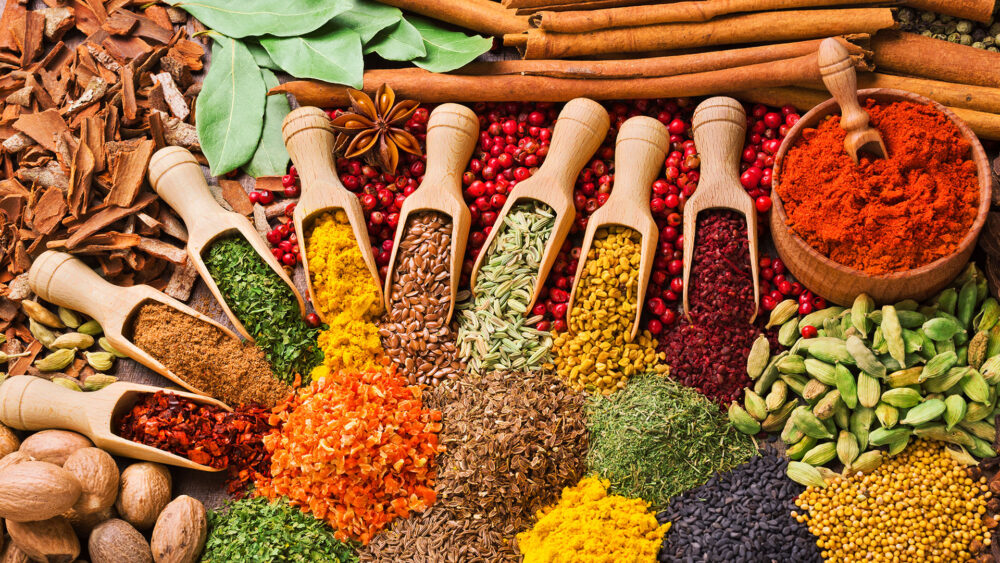
The importance of flavor. With the onset of fall weather, many of us turn to baking to heat up the kitchen and satisfy cravings for carbs. Who can resist the aroma of cinnamon bread or apple pie?
What do you associate with baking? Cinnamon? Vanilla? Let’s dive into the biology of these two common baking spices.
Cinnamon
Cinnamon comes from the bark of several species of evergreen trees from Asia in the Cinnamomum genus, the most common commercial variety from China, although native to Sri Lanka, but we also love varieties from India, Myanmar and Vietnam. The oval-leaved tropical trees are in the Laurel family and they can grow to about 30 feet tall.
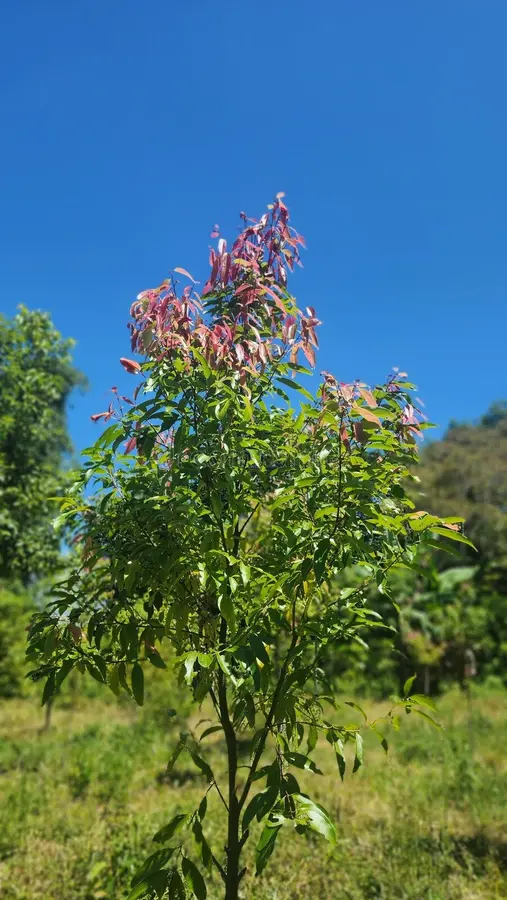
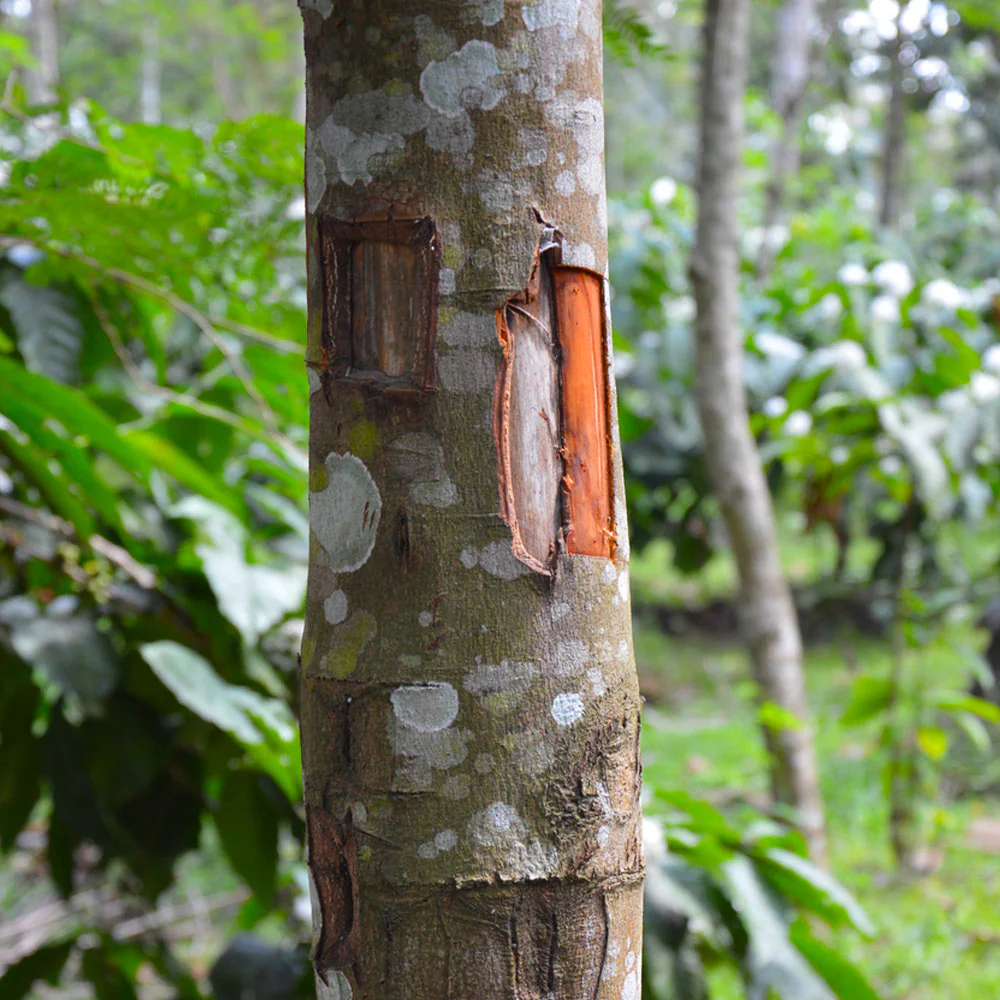
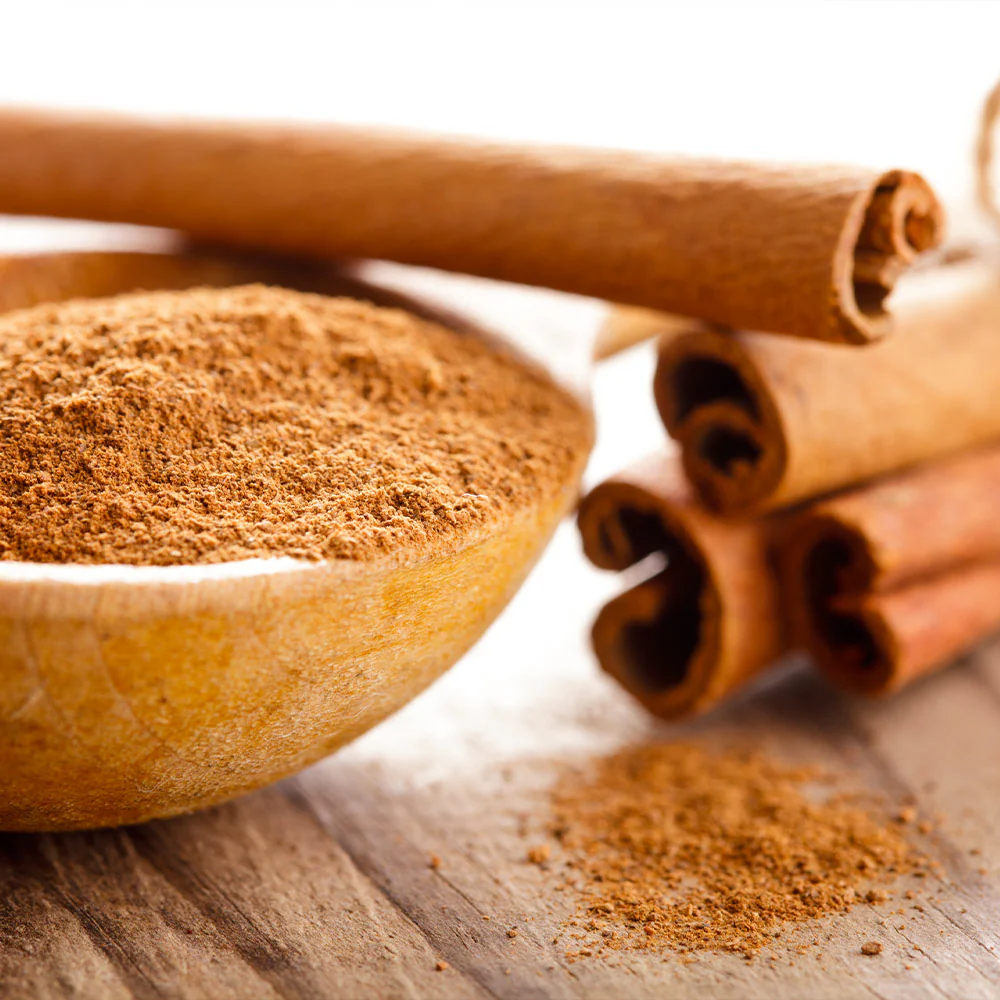
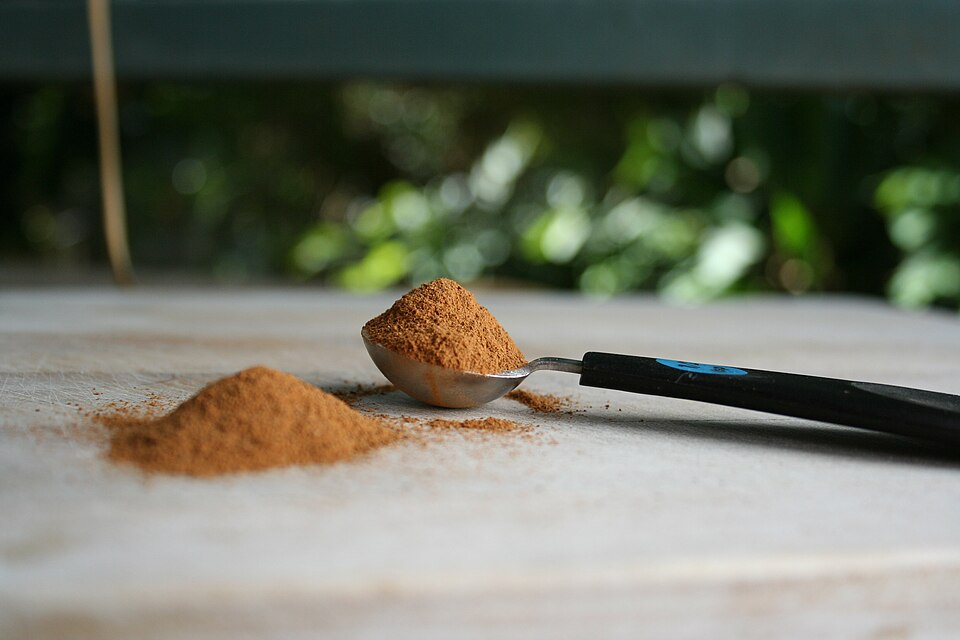
Cinnamon sticks are actually curled bark shavings from Cinnamomum saplings or shoots. The dried bark can be ground up to make cinnamon powders, or the cinnamon spice can be extracted chemically using alcohol or an oil like olive oil. While cinnamon bark powder is composed of many chemicals, the particular chemical that gives us the aroma and flavor compound is cinnamaldehyde, which, in higher concentrations, imparts that “red-hot” or “fire-hot” flavor (check out the McCormick Science Institute for more facts about cinnamon) that we put in candy, baked goods and even savory dishes:
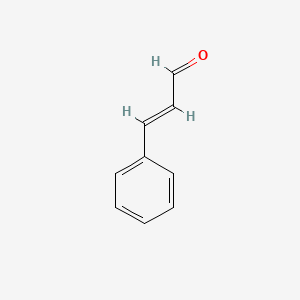
Cinnamaldehyde acts in plant defense to prevent fungal infections of the bark of the young saplings. It probably works in tandem with other plant defense compounds in the trees, including camphor and coumarin. Cinnamaldehyde’s pungent odor repels a number of insects and even small rodents and possibly deer.
Another compound found in cinnamon powder and oil extracts is eugenol, which is a kind of chemical called a terpenoid, that is also found in clove oil extract. A 2018 paper by Angelica Plata-Rueda from the Instituto de Ciências Agrárias, Universidade Federal de Viçosa in Brazil analyzed all the chemicals in cinnamon oil extract, and discovered lots of serious sounding chemicals, many of which repel insects and prevent mold growth, and are being considered as possible biopesticides for production. Here’s just a tiny list of the compounds in cinnamon oil extracts: eugenol (10.5%), trans-3-caren-2-ol (10.2%), benzyl benzoate (9.99%), caryophyllene (9.34%), eugenyl acetate (7.71%), α-phellandrene (7.41%), and α-pinene (7.14%).
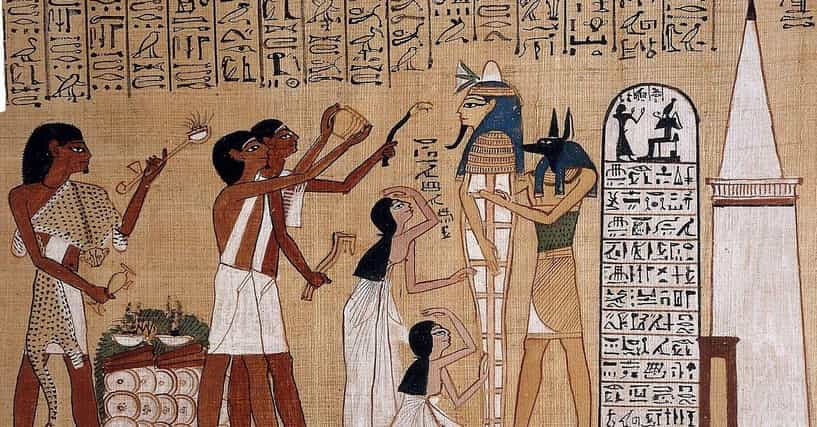
Cinnamon powder or oil extract has been considered a health-imparting chemical since at least 2800 BC, likely first in China, according to a cool review article published in 2015. It was used in ancient Egypt in embalming fluids, and used in the Roman empire in funerals to cover up the noxious smells of decomposing bodies. Ew!
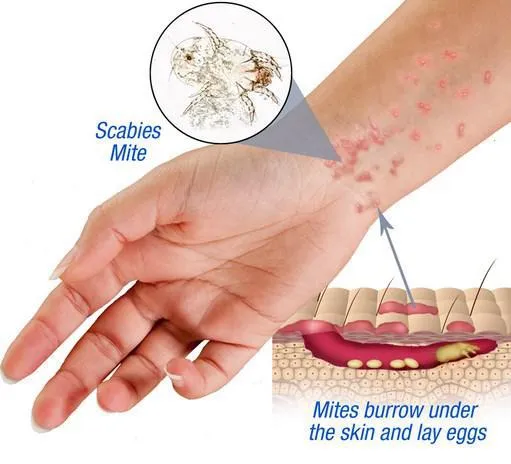
Benzyl benzoate (10% of what’s in cinnamon oil extracts) is interesting in and of itself. It’s got a balsalmic type scent and can be rubbed on the skin to treat scabes (a kind of mite) infestations. It’s also a common ingredient in lotions and aftershaves, as part of a scent and also as a preservative.
Too much cinnamon, like anything, can be harmful. Remember that cinnamon “challenge” that was all the rage on the internet that peaked in 2012? People filmed themselves trying to eat a tablespoon of straight cinnamon powder. Of course, eating anything that powdery and dry can choke you, and the inhaled powder can irritate and even damage your lungs. But cinnamon powder also has coumarin (an anticoagulant used to prevent blood clots), which is toxic to the liver and can be life threatening. Hundreds of would-be internet stars ended up dialing poison control centers and even being hospitalized.
Cinnamaldehyde and other compounds found in cinnamon extracts and powders have been medically important for thousands of years for gastrointestinal problems, enhancing blood flow (likely from the anticoagulant compounds), anti-inflammatory and antimicrobial functions. It was highly sought after as a spice in cooking from Greco-Roman times at least. Cinnamon was important in the spice trade- Chrisopher Columbus and other explorers were seeking cheaper and faster ways to get cinnamon and other spices, rather than using the Incense Route from Persia to the Mediterranean and older maritime routes. Sadly, the spice trade went hand in hand with colonization and the conquest of peoples all over the world.
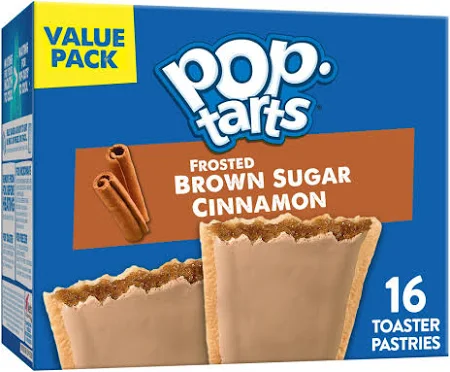
In 2023, more than 230,000 tons of cinnamon were produced, traded, and cooked with. Wow! It’s used in all types of cuisines, from Indian to Chinese to British. Sweet cinnamon buns to aromatic rice dishes. And, maybe everyone’s favorite, Brown Sugar Cinnamon PopTarts. No? Well, some folks’ favorite. Interesting to think of cinnamon as an embalming agent, huh?
Vanilla
Vanilla is one of those spices that, when it fills the kitchen air, you breathe deeply and instantly think of relaxing and happy things, right? Like fresh baked cookies. What does vanilla scent conjure for you?
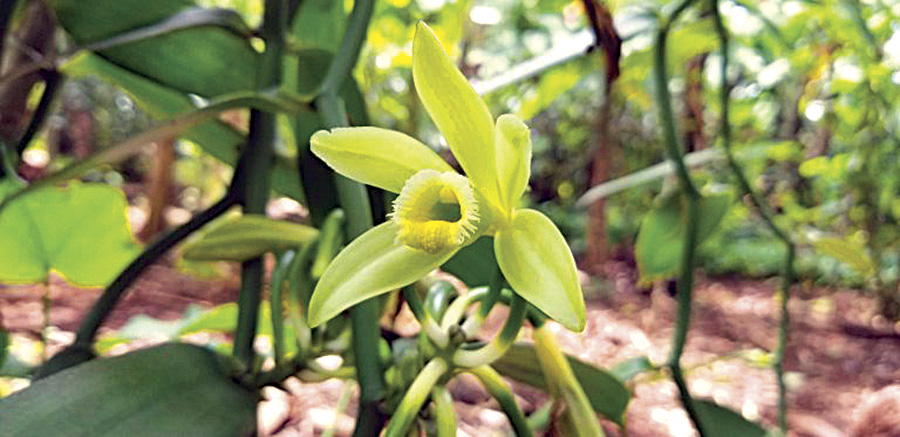
Vanilla is very time-intensive to produce for sale. It’s extracted from the seed pods of the vanilla plant, which is an orchid native to Mexico and South America, so a new-world spice. The orchid is actually a vine, and lives in hot, humid environments where it twines its way up trees. Its roots are green and don’t require soil. The roots, leaves, stems and even flowers have chlorophyll for photosynthesis. Vanillin might have evolved as an attractant, to guide orchid bees to come hither, and get the sticky seeds on them so that they disperse the seeds. To encourage the plants to produce seeds in a commercial operation, incredibly, people have to hand pollinate the orchid flowers. We don’t know much about how the vanilla flowers get pollinated naturally. The flowers only bloom for a day and the seed pods take about 9 months to mature.
Cortez conquered the Aztec lands in the 1500’s and took vanilla, particularly as a flavoring for chocolate, back with him to Europe, which then spread vanilla orchids to plantations around other conquered lands, including Madagascar, Indonesia and the Caribbean islands.
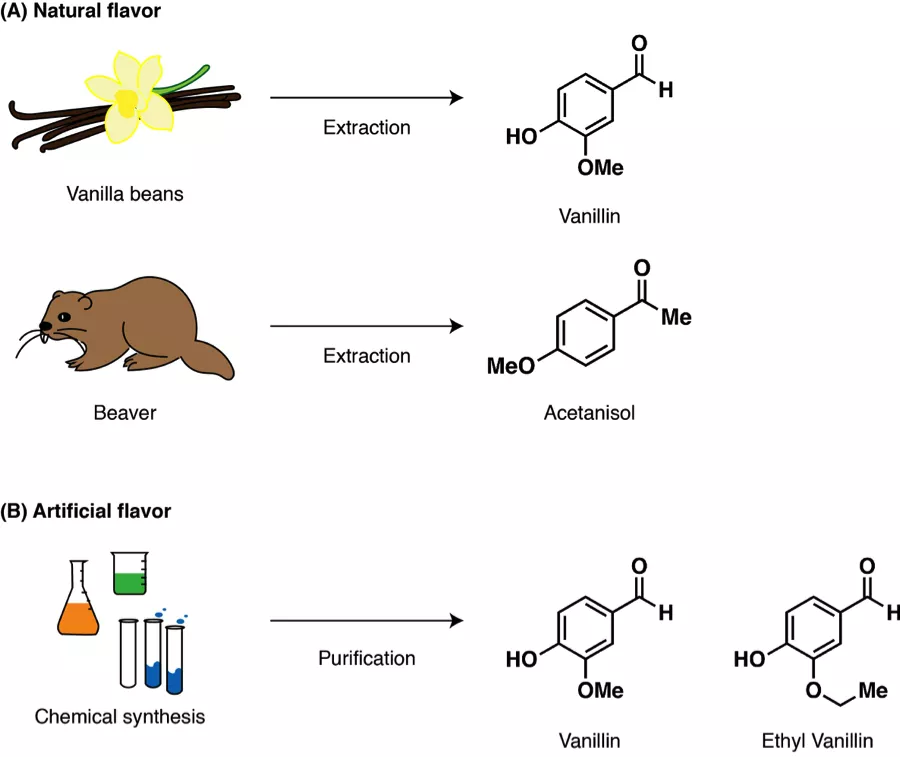
Vanillin, like cinnamon, is a pretty simple molecule that can be extracted from seed pods using alcohol:

A lot of commercial vanilla is created chemically now, rather than being extracted from actual vanilla bean pods. You can notice the dramatic price difference between natural vanilla and imitation vanilla, 15% of which is made from wood pulp, and 85% from “petrochemical foodstocks,” originating from fossil fuels and used for everything from plastics to clothing fibers to flavorings. In reading about vanilla production, I came across a kind of unappetizing production of vanillin from a secretion from beavers. This exudate that is chemically changed to vanillin is called “natural flavoring” in some foods and drinks in the US, as well as cigarettes.
After reading up on how imitation vanilla is made, I think I’m going to shell out the money for “pure” vanilla extract from now on.
Like cinnamon, vanillin is also a plant defense chemical, produced by the orchid seeds to protect against molds and certain insects that would otherwise devour the seeds. Vanillin is an antioxidant and might have a bunch of other medicinal benefits, described in a science article from 2022 (Olatunde, 2022. Eur. J. Med. Chem. Rep. 5:100055): anticancer, antidiabetic, antioxidant, anti-inflammatory, and even a treatment for sickle sell anemia.
Natural vanilla extract has lots of other chemicals in it, just like natural cinnamon powder. A few of those chemicals include eugenol, guaiacol and 4-hydroxybenzaldehyde. Different compounds are extracted depending on the particular vanilla beans (orchids from Paraguay, or Mexico, or Madagascar…), and the alcohol used for the extraction, as well as things like temperature and time. Ever wonder why vanilla extract bottles are dark brown? That’s because vanillin breaks down in light, becoming oxidized to vanillic acid, which is less potent and not as flavorful.
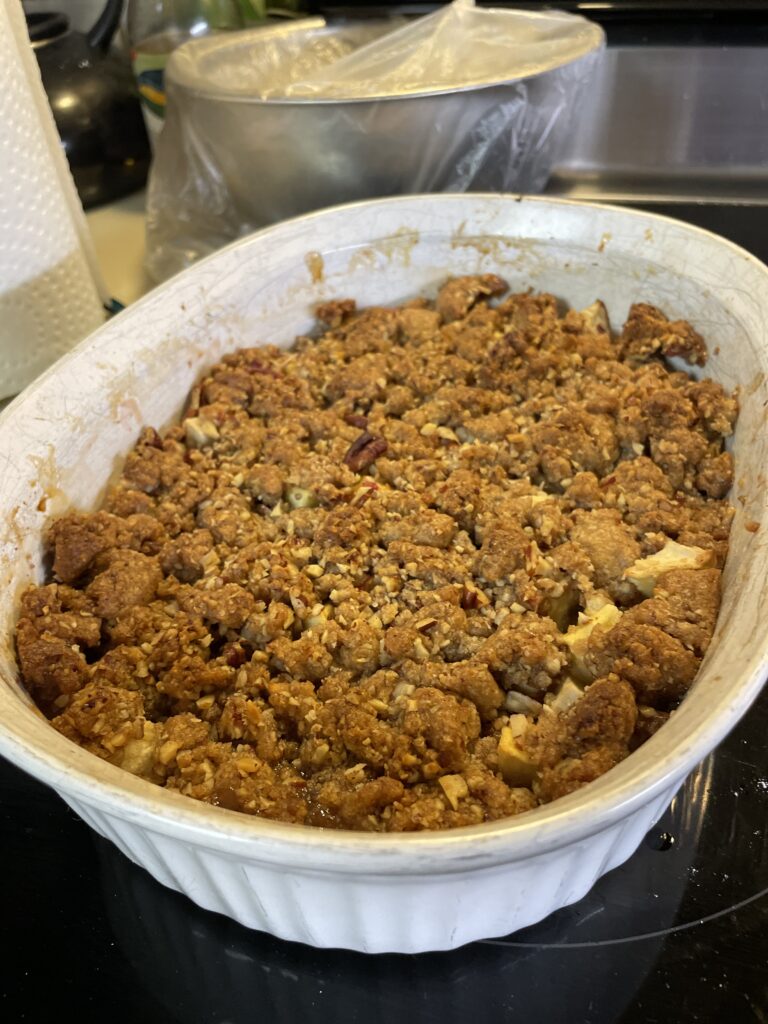
I hope you enjoyed learning a little bit about these delicious spices. I think I’ll make some apple crisp later!
This newsletter is devoted to explaining how biology works and how it is relevant to our daily lives. Most of us stopped learning about biology in high school or even middle school. And the way we learned it was as isolated concepts and vocabulary to memorize. I hope that this newsletter helps you rekindle that love of biology and might even help with better understanding of some of the important biology all around us. Please share this with anyone you think might want to take a look.
Thanks for reading!