
Image from: https://www.dc.com/characters/plastic-man
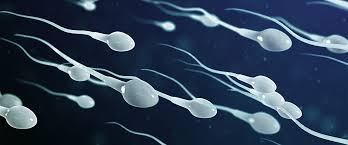
What images come to mind when we think of plastic? These?
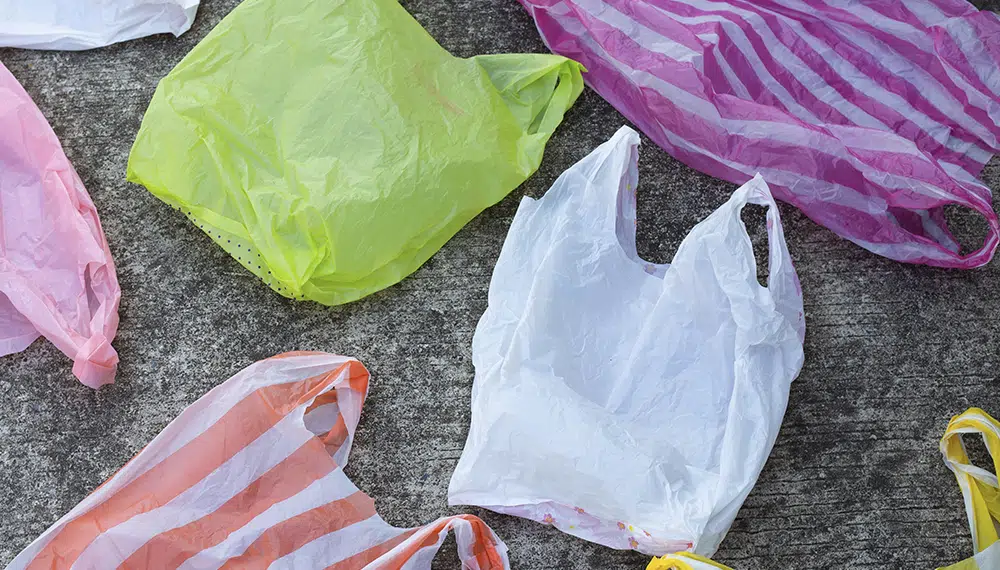
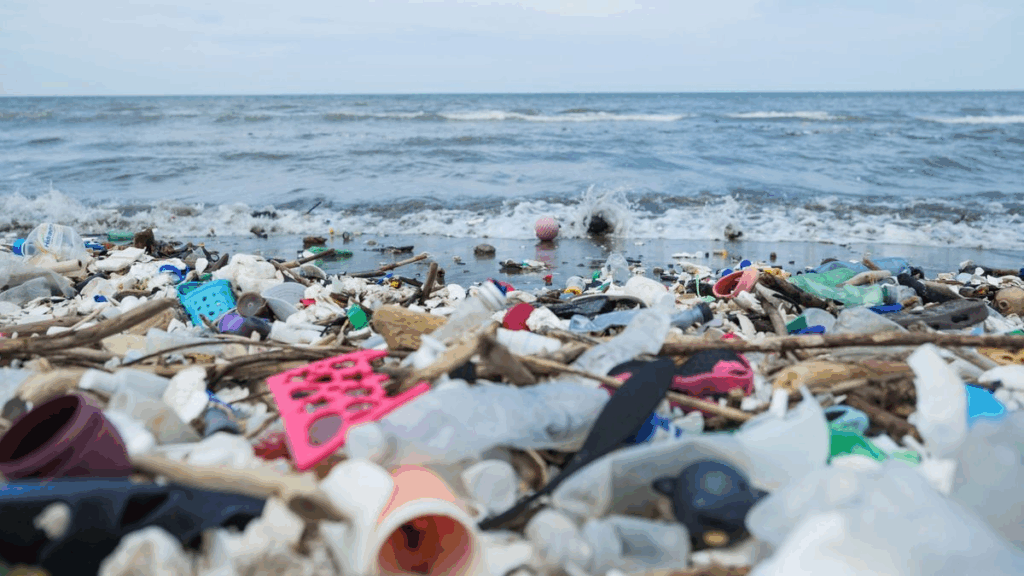
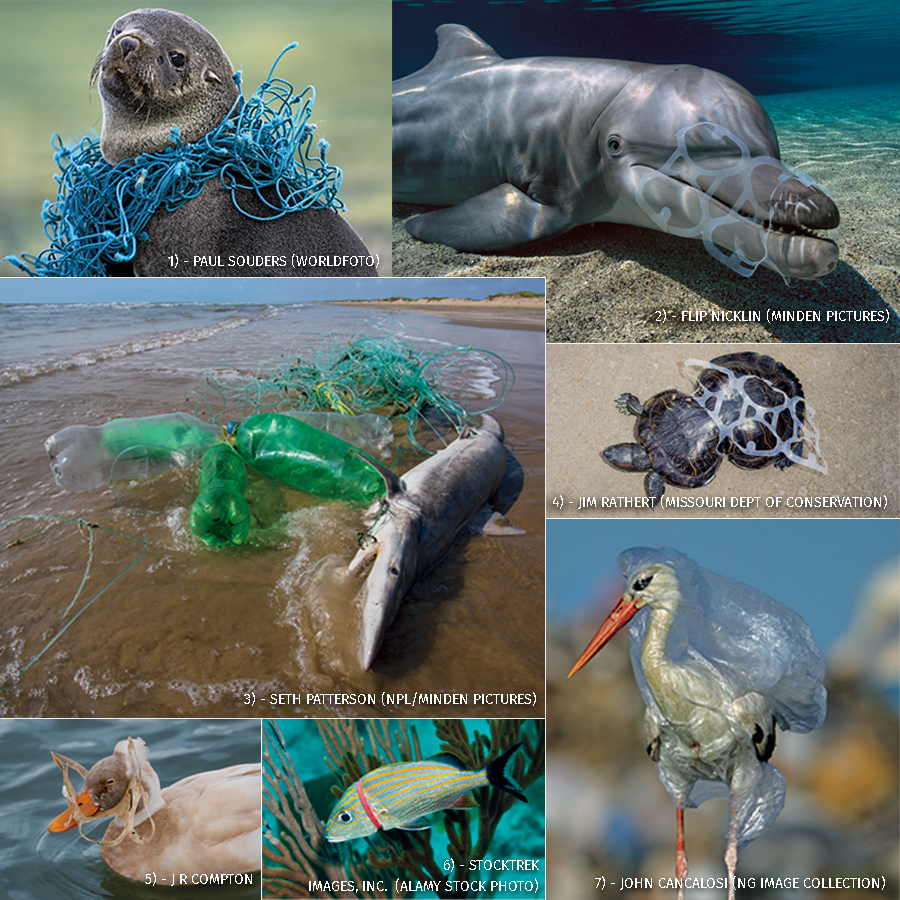
Or, how about these?


Plastic is EVERYWHERE. It’s getting harder and harder to avoid it. The grocery store is LOADED with plastic- excessive packaging, containers for leftovers, dispensers for shampoo, soap, kitchen cleaners…..I’ve been trying to avoid buying plastic and I am just failing. Epic failing. It’s in my food. It’s in my water. It’s in my cleaning products. It’s in my make-up. It’s in my clothes, shoes, home furnishings, car, purse, phone, computer. IT’S LITERALLY EVERYWHERE. It’s not possible to CHOOSE to “give up” plastic. It’s positively UNAVOIDABLE.
We have been hearing for years now about the plastic in the ocean. How it’s killing life in the ocean. Strangling sea turtles, dolphins, whales, fish.
We’ve even begun to hear about how we all have plastic particles inside of us– in our livers, lungs, even brains. Increasingly, scientists are finding that plastics degrade over time into smaller pieces, called microplastics and even nanoplastics. These tiny, invisible, shards of plastic can enter our bodies and even our cells. They can hang out in our organs, and wreck our body functions, including our immune defenses, lung function, waste processing and even learning and memory. Plastics can cross the placenta into our developing fetuses and, when our young are born, the plastic is already there. What does all this plastic do? It certainly doesn’t make us superheroes.
Plastic is made from fossil fuels. It’s made from and using thousands of chemicals derived from oil, many of them toxic and cancer-causing. The chemical assemblies that are our plastic products are virtually indestructible. But, bashing them in ocean waves, churning them in currents, crushing them in garbage trucks, incinerating them, breaks them down into smaller and smaller particles released everywhere and then show up in the food we eat, what we drink and the very air we breathe. Microwaving plastic, heating plastic in the oven, freezing plastic, adds toxic chemicals and small plastic particles to our food, water, our BODIES with every meal.
Heck, now we’re eating burgers, or grilled chicken breasts, or sushi that’s already pre-loaded with plastic particles because the cattle, chickens and fish have ingested plastic and it’s in them, too. Even the plants we eat as salads and side dishes have plastic in them from the soil the plants are grown in. Plastic is in the water that nurtures the plants. It’s very discouraging because it seems impossible to avoid plastic. And, honestly, it is impossible.
So, we think: let’s minimize it to the best of our ability. That’s all we can do. Plastic is here to stay. Why fight it?
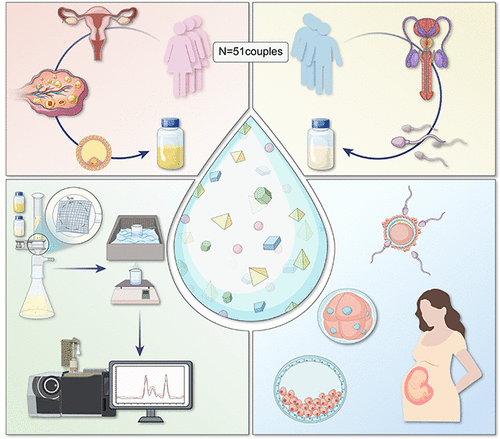
Feifei Kong and colleagues at the Zhejiang Provincial Clinical Research Center for Reproductive Health and Disease in Hangzhou, China, published a scary article just last month (July 2025) showing that nanoplastics (the tiniest particles from plastic breakdown) are in human sperm and egg fluid and reduce sperm quality and reduce fertilization.
Most of the time in the news media, when you hear about fertility issues, or concerns and fears about chronic health disorders like asthma, obesity or Parkinson’s disease, the emphasis is on things like diet or other “lifestyle” factors. As though individuals have the ability to make changes to improve things for themselves. This is simply NOT TRUE. Scientists have amassed incontrovertible evidence from both animal studies and human epidemiological work that environmental chemicals are to blame. These types of environmental chemicals: pesticides, fossil fuel emissions, plastic chemicals, personal care product chemicals. Because plastic is in the air we breathe (all over the planet), in the water we drink (all over the planet), in the food we eat (all over the planet), the only way to reduce these public health crises is to stop producing the plastic AND to clean up the waste literally everywhere. The money and capability to do both these things rests with the plastic producers, the pesticide producers, the fossil fuel producers who got our societies addicted to plastic in the first place.
Here’s a refreshingly honest news piece that recently aired before the UN nations gathering (which was this week) on trying to agree on a treaty governing global plastic. It’s short and really worth a listen.
Sure, it’s always a good idea as a consumer to minimize your plastic use and plastic purchases. As a citizen, it’s always a good idea to support your local and state legislators to create policy to limit plastic in your area. But, ultimately, it will take governments and a change in the approach of the fossil fuel, chemical and plastics corporations– to change their gluttonous, greedy and destructive ways.
I think the more people are aware of the massive destruction to our planet, to all creatures on the planet, including us and our children, the more likely we will be able to change. Knowledge is power.
Here are a few tiny things that might make you feel better about your own individual plastic consumption:
- Carry a set of metal utensils (say camping gear) with you in your backpack or in your car glove compartment and use that instead of the packaged plastic utensils with your carryout.
- Say “no thanks” to plastic straws in your drinks
- Buy your veggies from the bulk bins rather than pre-packaged plastic containers
- Don’t buy plastic cooking gear (spatulas, ladles, flippers…) Opt for bamboo or metal when possible
- Use glass food storage containers rather than plastic
- Use glass or metal for drinkware rather than plastic
- Do not microwave food in plastic wrap or plastic- EVER
- Try to keep front-of-mind that you want to avoid putting plastic in your mouth- food, food prep, eating/drinking
This newsletter is devoted to explaining how biology works and how it is relevant to our daily lives. Most of us stopped learning about biology in high school or even middle school. And the way we learned it was as isolated concepts and vocabulary to memorize. I hope that this newsletter helps you rekindle that love of biology and might even help with better understanding of some of the important biology all around us. Please share this with anyone you think might want to take a look.
Thanks for reading!