
Life is all about change. Day, night. Seasons. A life-span from birth to death. All living organisms are changing all the time. At the most basic level, we are a complex, coordinated series of chemical reactions. Our atoms and molecules form and transform. We seek new molecules in the form of food and water, to create and recreate the combinations of molecules that make up our bodies.
Throughout our lifespan, we change. We grow and we age. As a result of our experiences, we change how we think, how we behave, how we live.
I’m about to teach my favorite course on neurobiology– where we will focus on how the changes wrought by modern human civilization are affecting animals, including us, and how animals are changing and adapting (or not) in response. Central to animals’ abilities to respond are their nervous systems. I mean, this is really the most important function of our nervous systems- to receive a signal of some kind of change in the environment, like a predator on the prowl, respond to that signal within the nervous system and act in response, like hiding, running away or becoming still as stone.
Noise pollution, night light pollution, and chemical pollution are each changes that animals sense in their environments, or that interfere with their senses. Extreme weather events, higher ocean and land temperatures and ocean acidification are also sensed and acted upon by animals through their nervous systems.
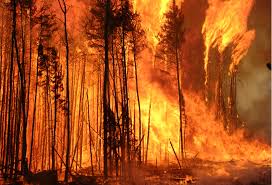
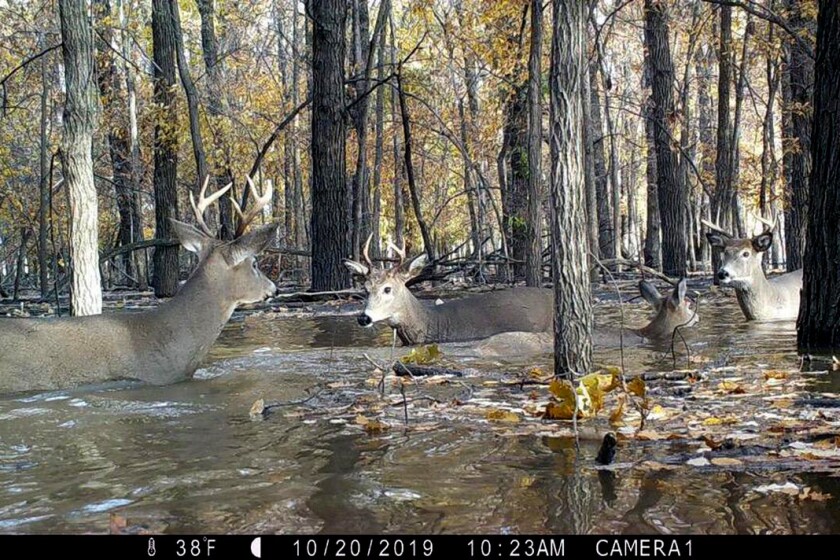
But these human society-produced changes are different from changes like day or night or seasons. They are happening really quickly and are not part of the normal rhythms of life. Many of these changes are happening too quickly for life to respond to safely. And the changes are out of range of life’s current response capacity. Higher temperatures than are survivable. More extreme flooding or more extensive, hotter wildfires. Stronger storms. Multiple chemicals contaminating waterways. Everything supersized. And, on top of all of this, many are happening simultaneously.
So, the big question for the life around us is whether living organisms can change enough, quickly enough, to survive. In the biological world, we call this adaptive capacity. The ability to be flexible. The ability to change. There are limits to how flexible, to how adaptive, life can be. But life can be pretty surprisingly adaptable.
Responding and adapting to changes in the environment is what life is all about. While there is a lot of doom and gloom out there (and I often feel despondent and depressed about it), life will survive what we are throwing at it from all directions. It just won’t be the same life. Things are already changing in small ways and big ways. Perhaps the harms that we humans have inflicted on the planet are more challenging compared with other times of unprecedented change on planet Earth because we have wrought so many harmful changes all at once.
How do animal nervous systems respond to things like ocean acidification or heat waves?
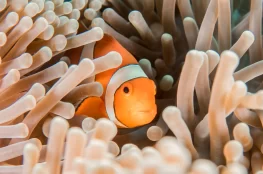
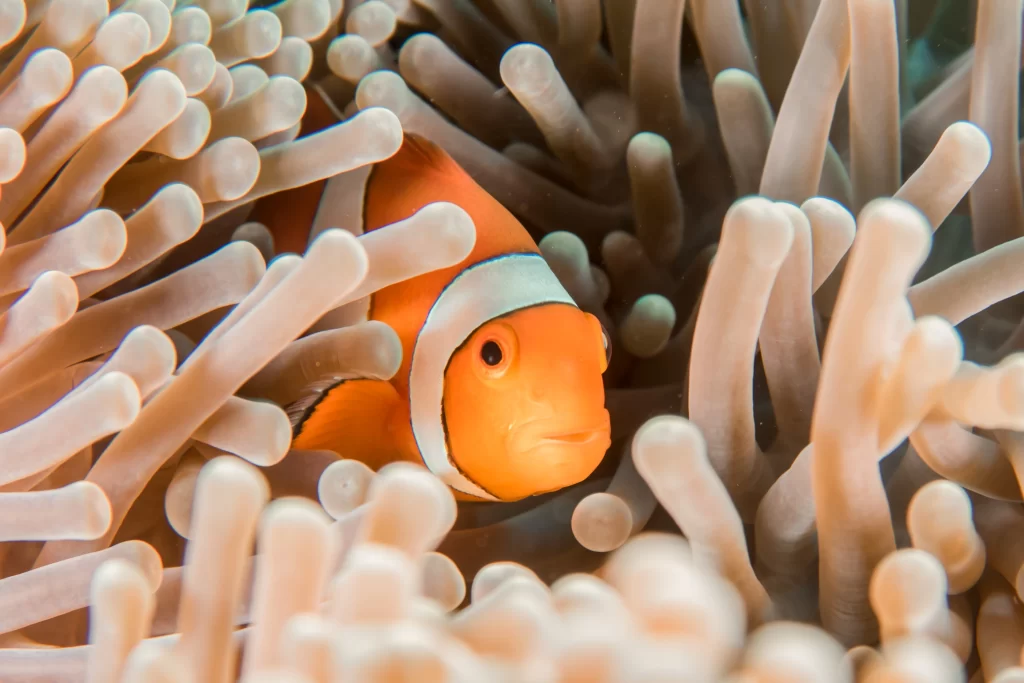
Fossil fuel extraction and burning means more CO2 (carbon dioxide) in the air, some of which dissolves in the oceans. The carbon dioxide mixes into the water of the oceans, forming carbonic acid, which causes the ocean to become more acidic. That increase in acid changes how marine nervous systems work and so affects behaviors like foraging for food, mating, and defense against predators. In a recent article by Angie Michaiel and Amy Bernard of the Kavli Foundation, published in 2022, they highlighted some studies showing that baby clownfish (those cute little Finding Nemo fish that depend on coral reefs for shelter and food) misinterpret chemical odors coming from their predators if they are in more acidic waters and, instead of hiding from them, they swim toward the predators. Yikes! We do not yet know if clownfish will adapt their behavior by responding perhaps to different environmental cues than the odors that worked for them in the past.
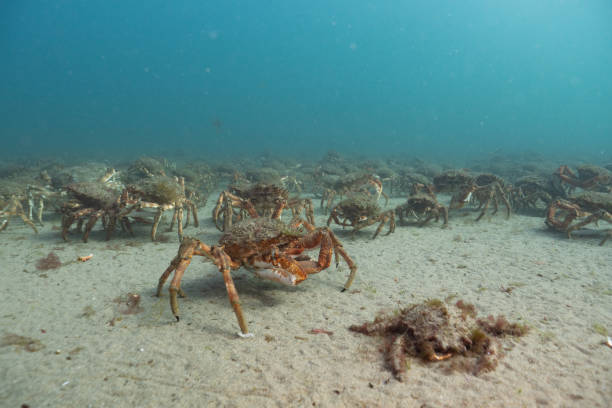
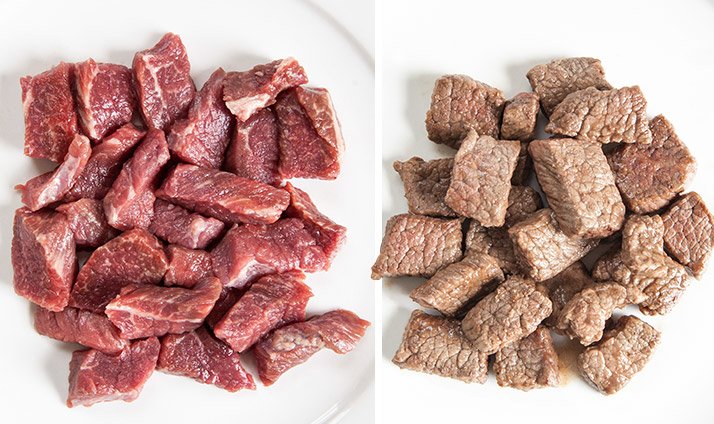
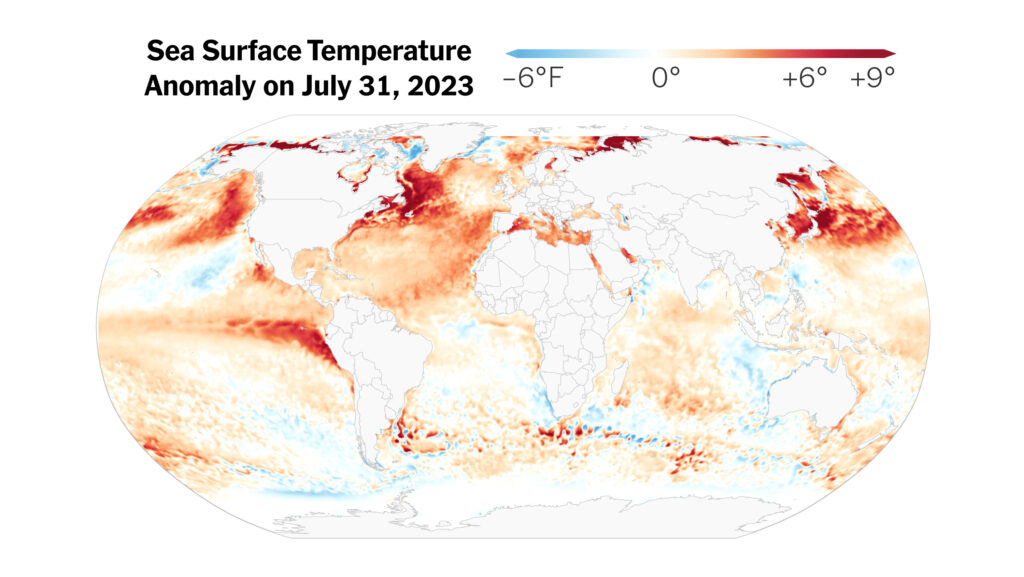
With surface temperatures in the ocean soaring to unbelievable levels this summer, even over 100°F, there’s growing concern about how marine animals are handling their own unprecedented heat wave. Surface temperatures fluctuate daily and seasonally, just like on land, but not to this extreme. The nervous systems of crabs, for example, adjust their activity levels to keep a steady rhythm despite the increases and decreases in water temperature with the different seasons. But, extreme increases in temperature can cause their neural circuits to crash. Proteins change shape in response to extreme heat- this is called heat shock. If the heat is too severe, the proteins actually denature and can no longer function. This spells disaster for nervous system function. (Think about how meat changes when you cook it on a grill. Or when you fry an egg on the hood of a car in Phoenix during their extreme heat wave.)
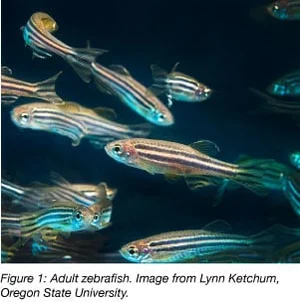
Zebrafish exposed to warmer water than they are accustomed to will swim out of the warm area if they can, seeking cooler water. If they cannot escape the warmer water, even water that’s only 2 degrees above their preferred temperature, they suffer learning problems.
We are already seeing big changes in the oceans. Fish and marine mammals are on the move, and some are moving in the wrong directions. We are seeing animals much farther north late into the summer. These pole-ward moving animals tend to be the strong swimmers like tuna and sharks. Others, that drift in ocean currents, are ending up in the hotter waters, like sand dollars. Animals that end up in new areas compete with the animals already there for food and shelter.

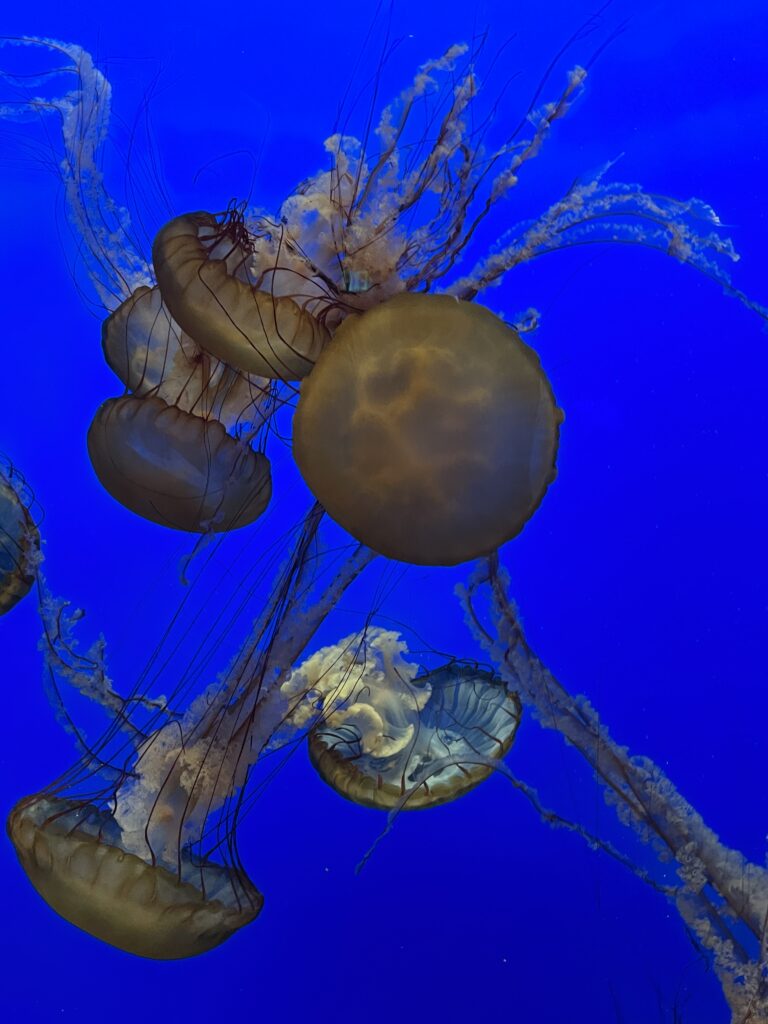
Some animals prosper in warmer waters, many others don’t. For example, jelly fish thrive in the warmer waters. They can exist in warmer, more acidic conditions with lower oxygen levels and even in areas where human sewage and fertilizer run off leads to algal blooms. In contrast, corals (which are animals) cannot migrate quickly and so they and all the animals that depend on the reefs for food and shelter, cannot leave the area. The amount of adapting they can do will have to depend on other types of adaptation, like changing their activity patterns to cooler times of day/night or decreasing their metabolic rate during hotter periods. We know very little about how most animals are responding and whether the responses help them survive, since we have caused these changes only very recently and we are just at the beginning of the havoc we’ve created. We have no idea about how and whether ocean organisms will adjust to our rapidly warming seas as they heat up out of range.
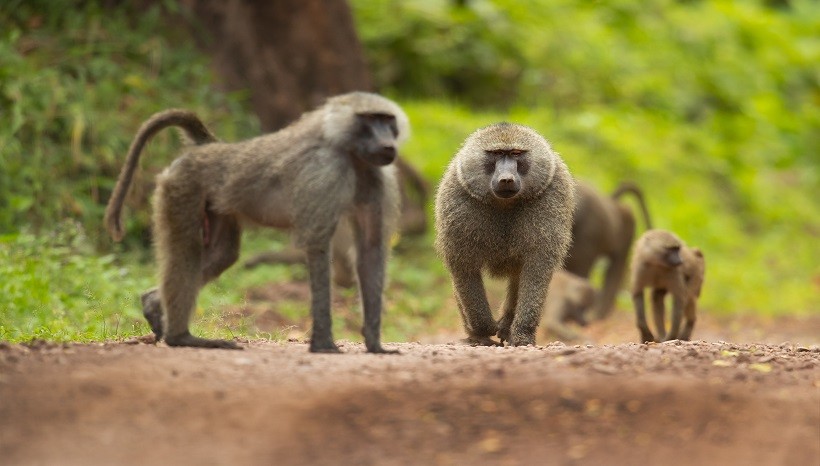
Sometimes, animals rapidly respond to a change in their environment and those responses can persist into the next generations. One really incredible example of animal cultural change happened within a long-standing troop of olive baboons that my former postdoctoral adviser, Robert Sapolsky, wrote about in his book, A Primate’s Memoir. Robert had studied the social hierarchy in this troop in Kenya for many years. The dominant males lorded it over the more subordinate males and got access to all the best food and mates. One year, the troop encountered a garbage dump outside of a tourist camp that had pork tainted with tuberculosis. The dominant males all died because their rank gave them unfettered access to the meat, leaving behind the subordinate males and the females. Incredibly, the much less aggressive and even friendly social behavior of the remaining baboons became that troop’s culture. Almost overnight, and lasting for at least 20 years, the troop was a much more pleasant place to be, compared with typical baboon troops. Incredible capacity to change.
There’s also evidence for rapid, evolutionary change in animal populations after exposure to a sudden and severe event like the rapid clean up of a murky, polluted lake in Seattle (Lake Washington) in the 1970’s. Because of human sewage leakage and fertilizer run off from the communities around the lake since the 1950’s, the lake was a gross and murky place. There were stickleback fish in that lake that lacked the defensive spikes (or stickles) on their backs, while their marine-living counterparts exhibited full protective armor. The spikes are an important defense against their predators, one of which is the cut-throat trout that lives in Lake Washington. In a few short years in the 1970’s, the municipalities cleaned up the lake and the waters became clear and healthy, and, incredibly, the stickleback population became spiky once again. It turned out that, with the clearer water, the trout were able to see the little spineless sticklebacks and the few that still had spikes on their backs were able to survive the hungry predator and gave rise to offspring that had spines on their backs. The spines develop as a result of particular genes. Now, the sticklebacks in the lake are spiny once again and the change occurred in just about 10 years! This rapid evolutionary change was possible because the fish population had the genetic variation in their gene pool and the intense selection pressure of the predatory trout changed which fish survived.
What about noise pollution?
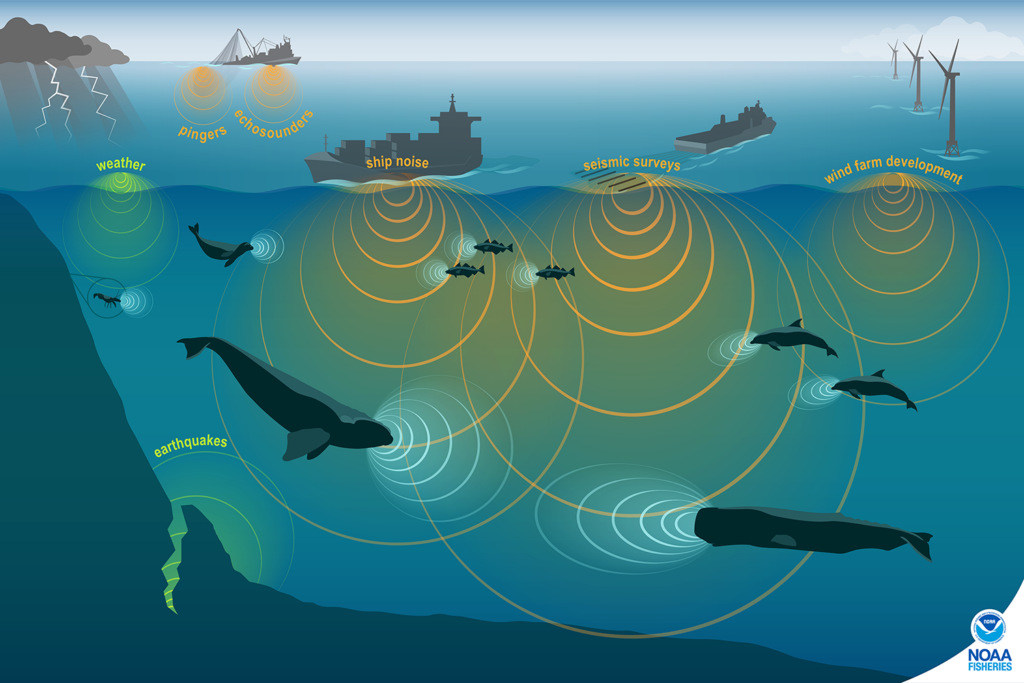
Lots of current research has shown that marine mammals like whales and dolphins have a hard time around the excessive and damaging noise from speeding transport ships. The thunderous engine noise interferes with their own sound-based communication. And, it’s incredibly stressful to be inundated with a barrage of machine noise (does the deafening roar of leaf blowers drive you as mad as me?), which can lead some of these mammals to stress-related stranding on the shore and death. These incredible animals are on the move away from shipping lanes and seem to be changing other behaviors to cope. It remains to be seen if their flexibility is enough for them to survive. [My hope is that efforts to minimize this shipping noise will increase and we humans stop making such a racket.]
Birds in suburban areas where there’s a lot of traffic and lawn equipment noise are responding by changing when they sing (earlier in the morning) and how they sing (less complex songs, different pitches of sounds) and where they sing (leaving the area).
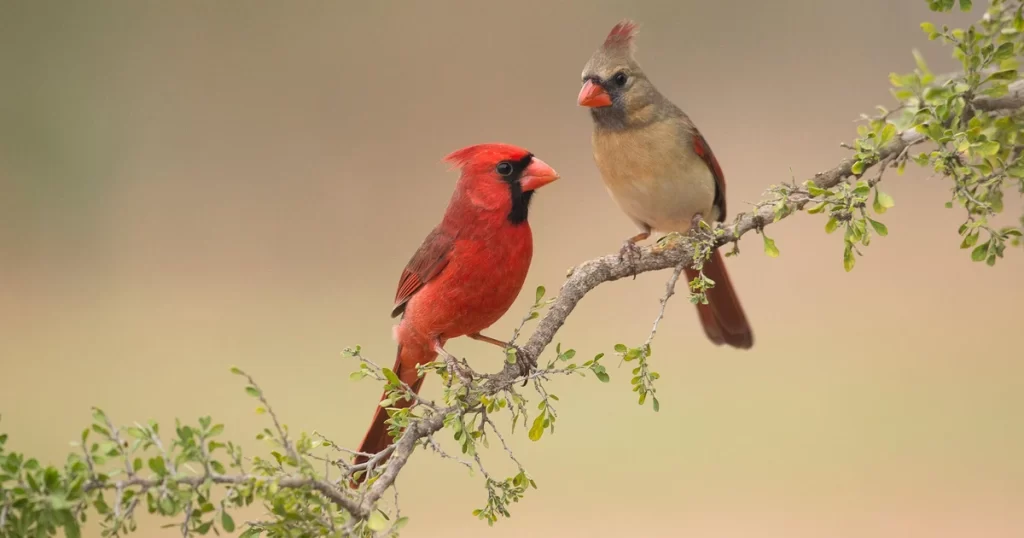
So, rapid change is possible and is happening. Animals that have the capacity and flexibility to migrate to more hospitable areas, the flexibility to change food sources when in a new environment, the genetic variation that allows new environments, new predators, to shift populations’ attributes to better survive the new conditions, are doing what’s possible to survive in this changed world.
One thing’s for sure. Life is changing.
Maybe we can also change our ways and be less destructive of our planet?
Other sources: