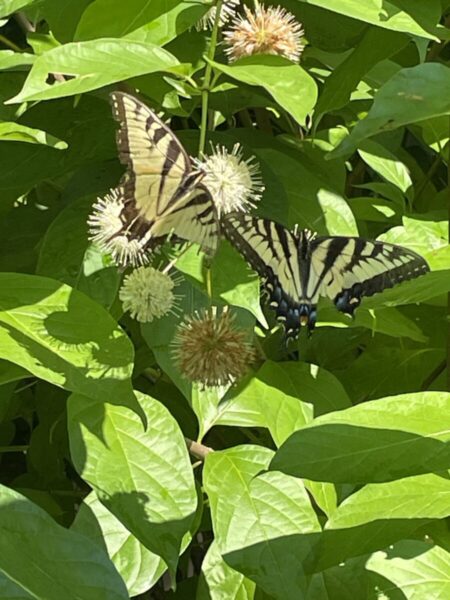
Gotta love a little alliteration! The new generation of insecticides, developed in the 1980’s, are called Neonicotinoids and are super toxic to insects, worms, birds and fish. These are a class of pesticide, commercialized by Bayer chemical, that are based on the naturally occurring plant defense compound found in tobacco plants, nicotine. Yes, the same ingredient in cigarettes that causes addiction. But, neonics are synthetically produced and are designed to be much more toxic, with the goal of eradicating pest insects like fleas or aphids or whiteflies or corn rootworms. They are eradicating….every insect.
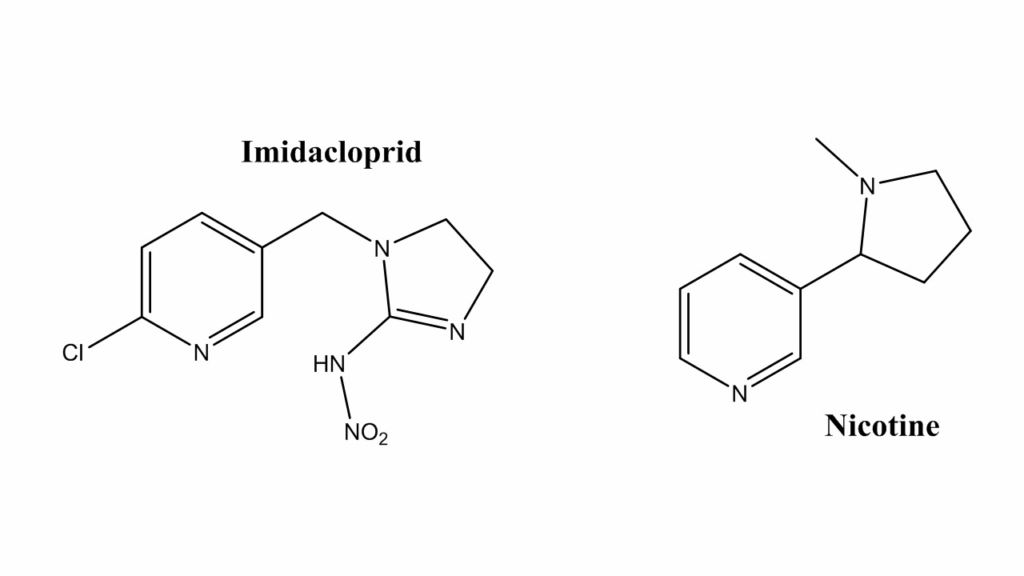
Nicotine is a very effective neurotoxin that keeps insects that would otherwise devour tobacco plants at bay. It’s also an addictive ingredient in cigarettes that provides temporary boosts in alertness, pleasure, and better concentration. It increases heart rate and blood pressure and can decrease appetite, because nicotine acts on nerves that regulate the heart, lungs, and digestive tissue, and also acts on the central nervous system. In insects that eat tobacco leaves, it causes paralysis and also tremors and eventually death. The receptors on nerve cells that bind with nicotine are pretty much identical in insects, worms, birds, mammals, fish and people.
Neonicotinoids were designed to adhere tightly to the insect version of the receptors and were heralded by the company to only act on insect pests. Indeed, they are most toxic to insects, but they are still harmful to other animals. Neonics were rapidly and heavily marketed by Bayer, particularly as a seed coating for corn and soybean. They were billed as a more effective replacement for the “more toxic” organophosphate insecticides. Heavily used in agriculture, on golf courses, lawns, gardens and even flea and tick pet collars, neonics like imidacloprid are now the most prevalent insecticide used. Neonics are everywhere. In our soil, in waterways, in plants edging fields and golf courses, in our homes. Because they are artificially created from fossil fuels, neonics are pretty resistant to breakdown and stick around in the soil and water for months at a time. Farmers, golf course owners and lawn owners apply the poison multiple times a year, keeping the poison levels high all year round, and everywhere the rainwaters move over the toxic land and run off into lakes, rivers and streams. A study in 2015 from the US Geological Survey estimated that half of all streams in the US are contaminated, and that was 10 years ago!
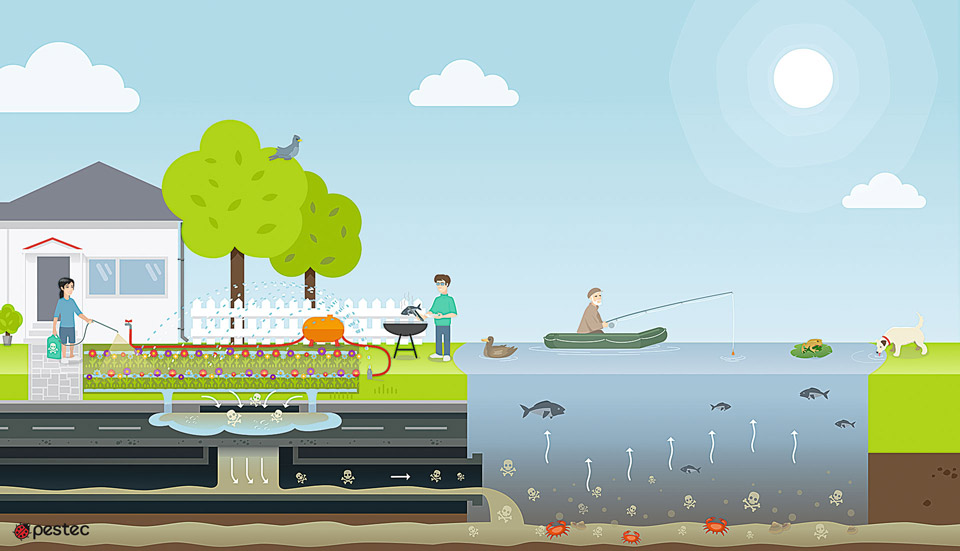
Neonics are applied by drenching the soil around the plants. Plants take it up and the poison travels throughout the plant, making every part toxic to insects, even beneficial insects like honeybee pollinators and other pollinator insects. Seeds that farmers plant for corn and soybean are coated with a thick neonic solution. This way, the seeds are not eaten by insects (or, if so, they get killed) and the poison also grows with the plant when the seed germinates. The entire plant is poisonous throughout it’s life. Even with that uptake, though, at least 80% of the coating remains in the soil to kill insects and earthworms in the soil, and to run off to neighboring soil or waterways with surface water. The poison also permeates down into the soil, landing in water wells and ground water aquifers.
When farmers harvest the plants the poison is still there. It doesn’t wash out. Agribusiness claims that these amounts are too tiny to be toxic to people. In 2021, Kai Cui and colleagues in China reported in Environment International that over 63% of food samples have measurable levels of neonicotinoids, many of these having more than one different neonic. This means that we likely are ingesting a fair amount of neonic with a meal that might have corn, wheat, soy, fruits and many vegetables. It all adds up.
Agribusiness also perpetuates the myth that neonic-coated seeds are crucial for a good harvest. A 2018 report from Canada provided strong evidence that this claim is false, and subsequently more evidence poured in from New York and elsewhere. Turns out the studies claiming that seed coating with neonics improves crop yields were all produced by the agrichemical industry, a clear conflict of interest. The newer studies, for example out of Cornell University, show little economic benefit from neonic coated seeds for the farmers, along with devastating ecological damage. Seems a no-brainer to stop using these dangerous toxins and, happily, in late 2023, New York became the latest in a growing number of states, that includes Vermont, to ban seed coating and help farmers find alternatives. Dubbed the Birds and Bees Protection Act, the new law went into effect this past January and also covers spraying of ornamental plants and turfs beginning in 2027.
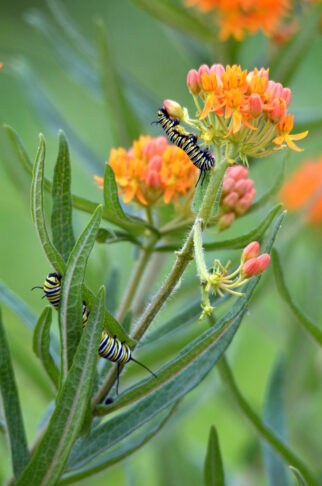
If some insects are the targets of these poisons, then wouldn’t all insects be sensitive? Yes, of course. Alarm bells sounded- in fact air-raid sirens sounded as it became devastatingly clear in the 2010s that pollinator insects like bees are being killed off. Not just honeybees. But, other helpful insects like ladybugs (that eat aphids), beetles like fireflies, dragonflies (that eat other insects) and many many more. In fact, so many insects are being killed off by the willy nilly spraying, the run off and soil poisoning from overtreated golf courses and lawns, the dust spread from farms into fields and forests, that we are seeing essentially an insect apocalypse. [Of course, this isn’t just because of neonics. All insecticides are contributing their deadly poison in a complex toxic stew. And, of course, as I mentioned in other posts, the mixtures that have unknown chemicals mixed into them make the insecticidal agent even more toxic.]
And for what? A perfect[ly dead] lawn? A toxic wasteland of a golf course? A larger profit margin for big agribusiness? Is the cost worth it?
What is life like without insects? We are increasingly finding out.
For one thing, we’ll have a tough time pollinating our crops. This includes corn, wheat, almonds, tomatoes, fruit of all kinds. More than 1/3 of our food in the US relies on insect pollination. There are already reports of declining crop yields due to loss of sufficient pollinators. This translates to shortages and higher prices.
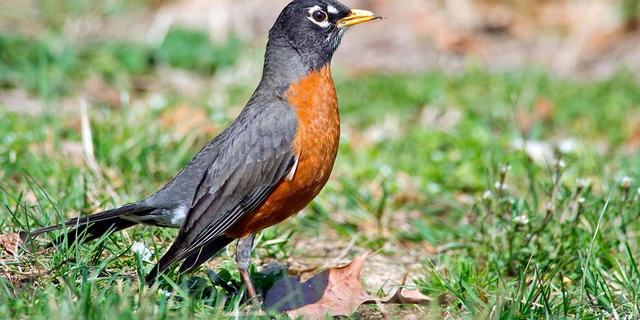
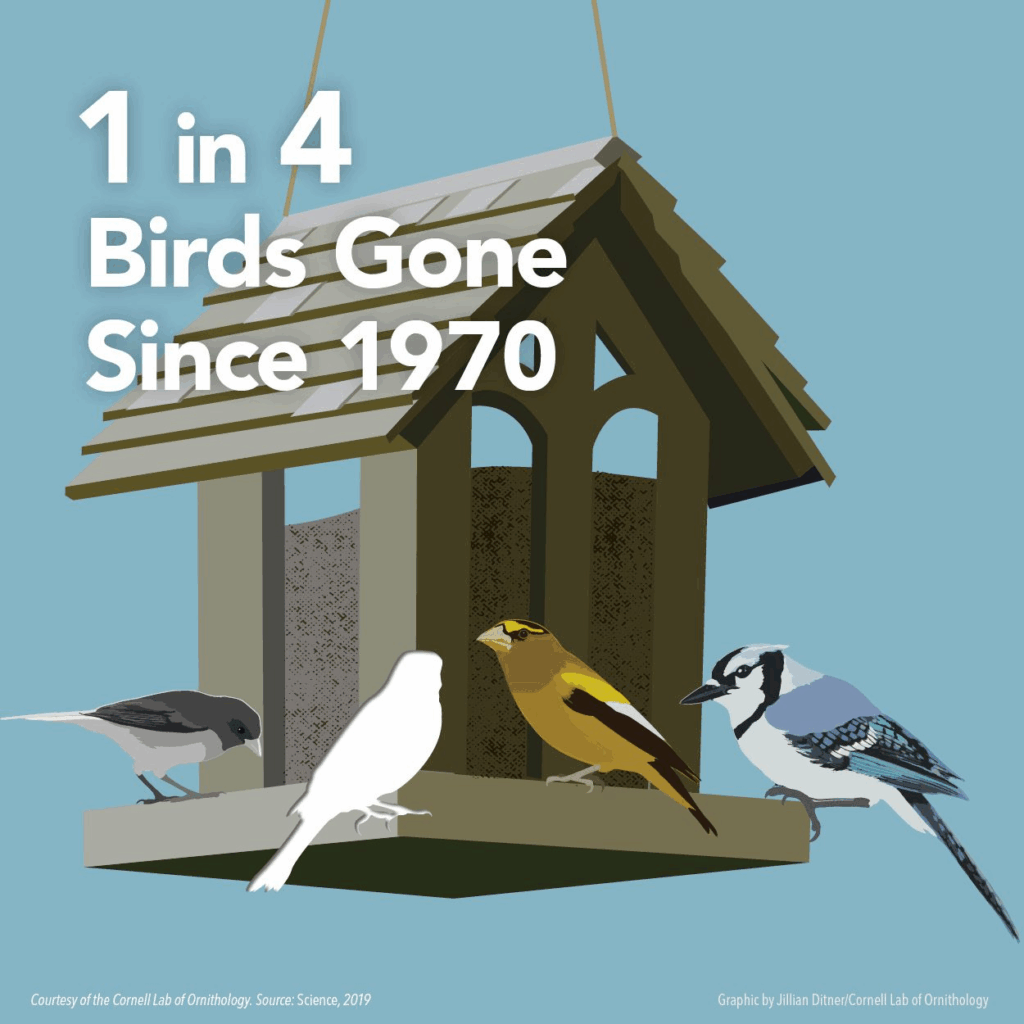
For another thing, bird populations are in free fall. Without the nutrition provided by caterpillars and insects, birds do not have enough energy to feed their young. A single neonicotinoid-coated seed can kill an adult bird. We are seeing an unprecedented collapse of song bird populations, as well as many other birds. Other animals like fish, frogs, salamanders and much more depend on insects, too. Without the foundation level of insects, entire ecosystems are collapsing. Really- it’s not hyperbole.
Because people still see occasional insects (like maybe one or two butterflies in a garden or a few fireflies on a summer night), they don’t really get that the collapse has happened and is happening. Some insect populations might be able to recover in time, but we need to get rid of the insecticides like neonics and organophosphates.
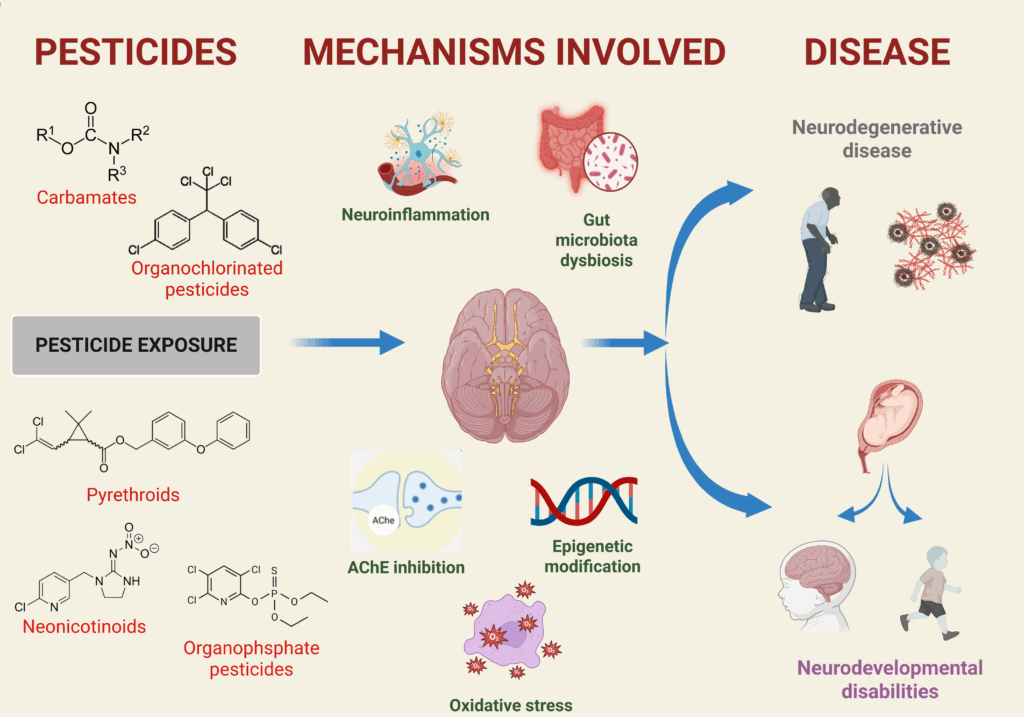
There’s a lot more to know about neonics and other pesticides and their excesses and harms- more in the next post. They definitely do more harm than good.
For now, I’ll close with the graphic below as a bit of a teaser: