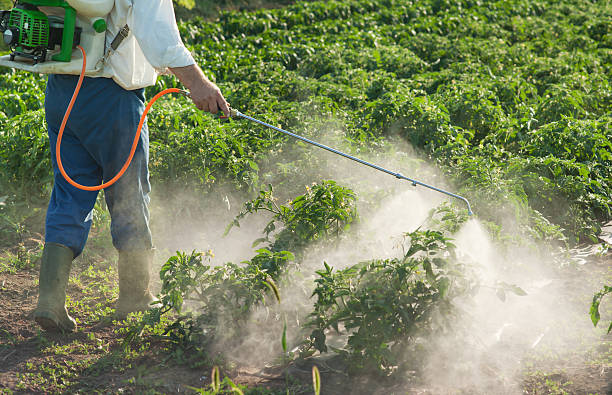
Despite the US EPA rollback of regulations on numerous pesticides, the evidence is overwhelming that pesticides are causing harm to people and wildlife of all kinds, from the soil creatures that make our soil healthy, to the insects that pollinate our crops, to the birds that sing in our backyards, to our pets that walk on our lawns, to our children and grandparents.
And, outside of the mainstream media reports on the global food supply, that seem to express alarm and urgency about having sufficient food to feed our 8.12 billion people, there are many highly successful alternatives to pesticide use for farmers to harvest plenty of food to feed our people. We could stop using the most toxic pesticides – what’s keeping us from doing that?
In this newsletter, I want to focus on another insidious aspect of the poisonous harms of pesticides — intergenerational effects.
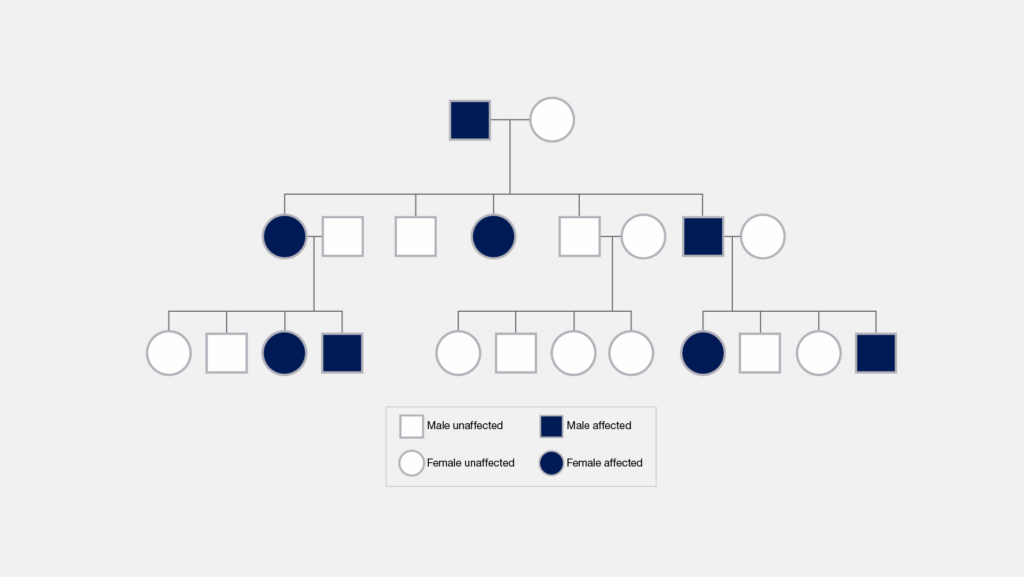
Intergenerational effects are effects in our offspring, even if they were never exposed to the pesticide. This means, harms to your children, even if they are not exposed to pesticides in their food, water, clothing, yards, household dust, toys, etc. How do intergenerational effects come about?
Some intergenerational effects arise when the parent is exposed to pesticides and their germline is harmed. That is, their sperm or eggs. If those cells have pesticide damage to genes, for example, that are involved in development, then the embryos that come from those sperm and eggs will develop under the regulation of genes that have been affected by the pesticides that the parent was exposed to. That parent could have been exposed as an infant, or teenager, or adult.
Some intergenerational effects arise when a pregnant adult is exposed to pesticides while the fetus is undergoing crucial developmental events like heart and brain development. The chemicals can cross the placenta and exert harmful effects during these key stages. The pesticide chemicals that cross the placenta can also harm the developing reproductive system of the fetus, causing fertility issues or even setting up the grandchild generation for possible harms!
About five years ago, my research team joined forces with a research team at Marist College and we wondered whether parent exposure to a common neonicotinoid-containing pesticide mixture influenced offspring growth and reproduction. Here’s a short summary of that study, published in 2020.
Tree and Shrub is an insecticide very popular and on sale at Home Depot, Lowe’s and many other garden stores.
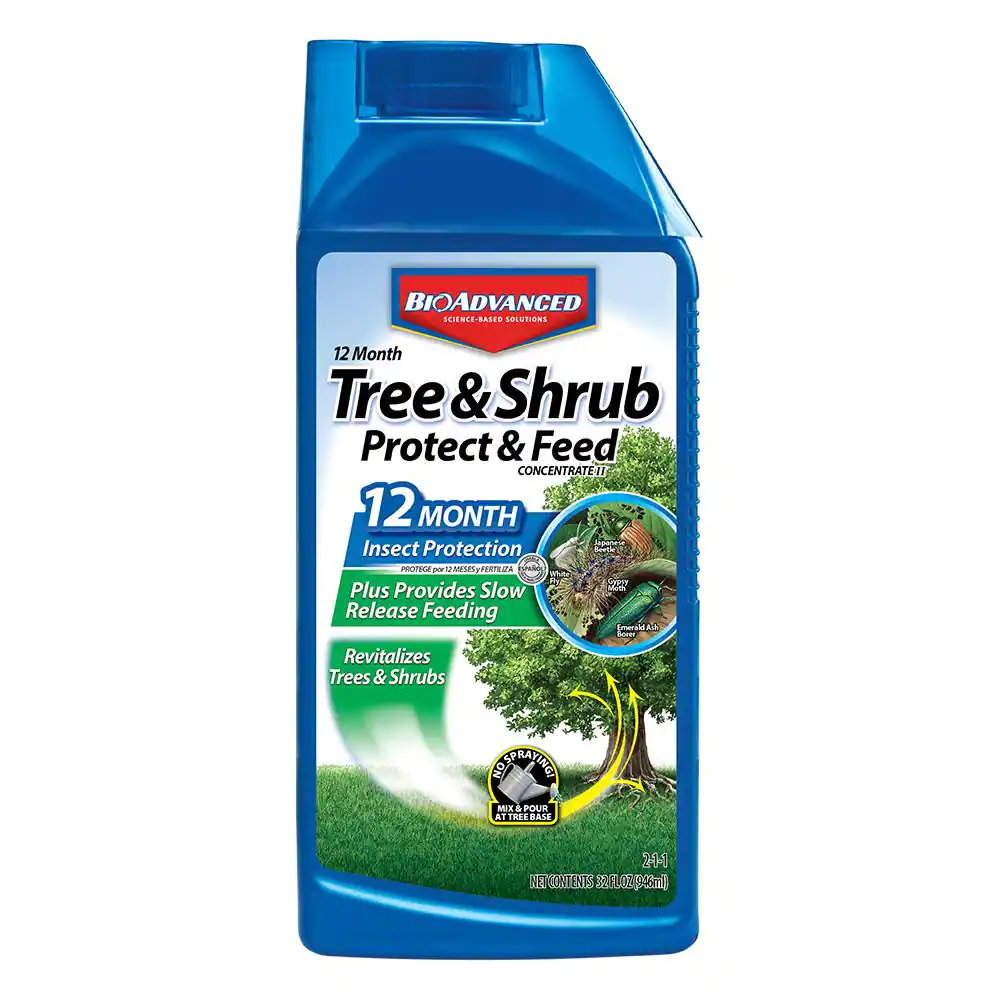
The “active” ingredient is imidacloprid, which is still one of the most highly used insecticides in the US, used in both agriculture and in home insecticide products. Tree and Shrub is formulated and sold by BioAdvanced (from Bayer) and cannot be sold or used in: CA, CT, CO, MA, MD, ME, NJ, RI & VT. It also cannot be sold in NY beginning just this year.
When you scroll through reviews on the Amazon website, you see things like, “Do not apply when there’s rain coming- it just runs off with rainwater!,” and, “Do not eat anything that’s been treated with it!.” The product only needs to be applied once a year, so, clearly, its toxicity sticks around in the soil and plants for a LONG time. When you apply it to a tree or shrub, the chemicals distribute (and stay) to all parts of the plant, including roots, stems, flowers, fruit and leaves. The whole plant becomes toxic. You can’t wash off the pesticide because it’s part and parcel of the plant.
If it’s not safe for a human (a large creature, after all) to eat any plant parts that come in contact with it, imagine the impact on insects and birds and pets! Scary.
Back to the study we did.
We applied Tree and Shrub according to the instructions to petri plates where we grew up tiny soil creatures called nematodes. These nematodes are similar to the helpful soil critters that make compost work and that keep soil healthy and fertile. The kind we studied are called Caenorhabditis elegans, or C. elegans for short.
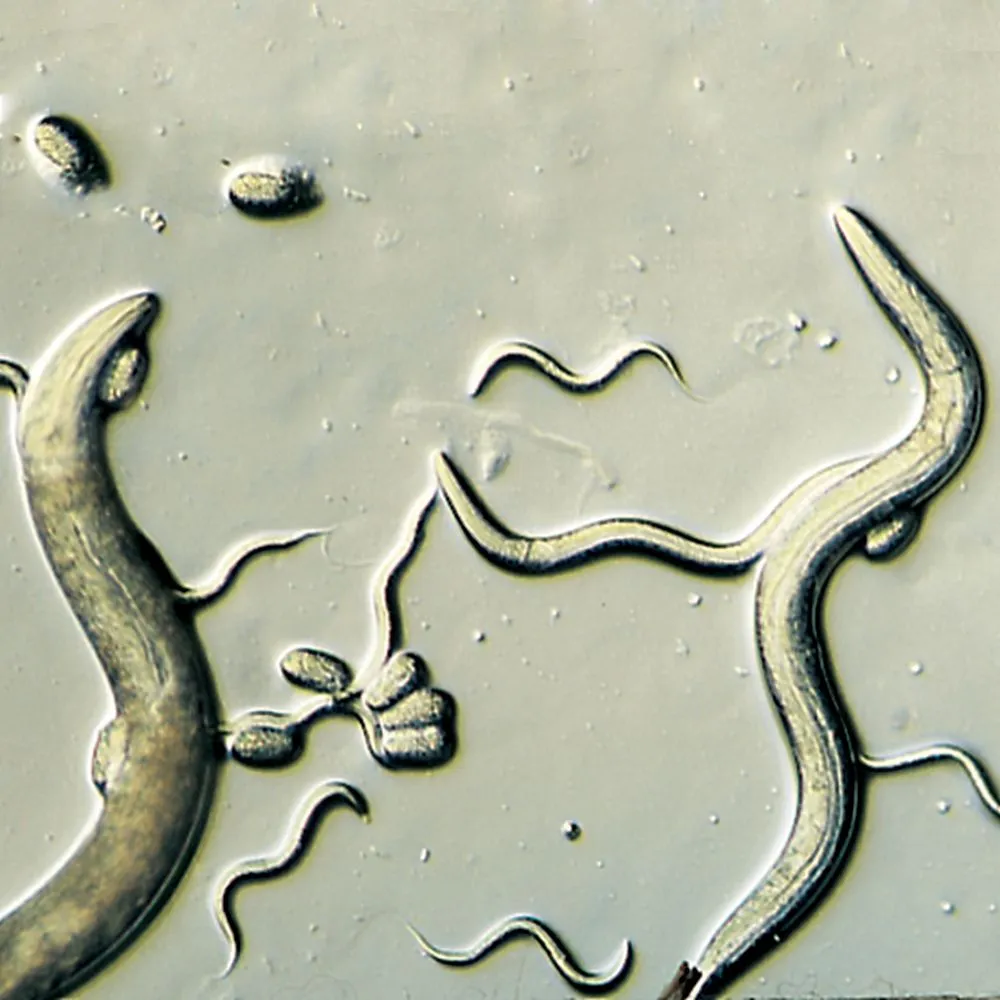
They are quite elegant, don’t you think?
A cool thing about C. elegans is that they grow from hatched egg to egg-laying adult in just 4 days and scientists know a TON about their development, genetics, nervous system and behaviors. They are referred to as a MODEL ORGANISM. We share, believe it or not, almost half of our genes with this tiny critter and so we can study how their genes and development are affected by chemicals and gain insights into how bigger organisms, like our pets or even us, might also be affected.
Okay, so, we exposed C. elegans to Tree and Shrub while they grew up and found that they had stunted growth; they had trouble moving around; and they laid fewer eggs. As older adults, the neurons that control their movement showed strong signs of neurodegeneration. Multiple aspects of the nematodes’ lives, from food foraging to reproduction, were harmed by the insecticide. And, nematodes are NOT insects. They are about as closely related to insects as they are to mammals. Think on that!
This suggests that the insecticide supposedly targeting insects in fact harms other types of beings besides insects.
What was really scary to discover was that the offspring of those exposed nematodes, who grew up without the pesticide on their petri plates, were also affected by their parental exposure. These offspring had damage to their own reproductive systems. They had defects in producing sperm and eggs (so, lowered fertility) because of chromosome damage, and they were never exposed to the insecticide.
Bottom line: Tree and Shrub insecticide damaged the reproduction of offspring who were never exposed to it. The chromosome damage in the offspring (whose parents were exposed to the insecticide) is continued to their own embryos.
We didn’t look at the grandchildren of the exposed nematodes (because we wanted to get the word on on the transgenerational effects as soon as we could), but other folks are exploring that, I hope.
More and more scientists are discovering that pesticides can in fact cause harm to children and even grandchildren of those originally exposed, in frogs, rats and even in humans (Nicolella and de Asis, 2022). This likely is because many pesticides (herbicides, insecticides, fungicides) contain active ingredients AND “inactive” ingredients that can interact with our hormonal and neural function particularly during development. Importantly, those originally exposed might be exposed as children, teenagers, or adults (not only during pregnancy the way a lot of different images portray).
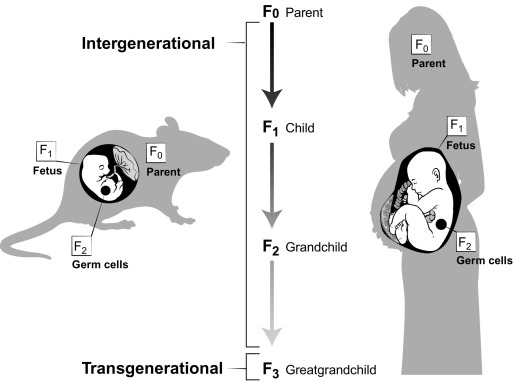
What types of harm do we see in children whose parents were exposed to pesticides?
- Increased cancers like leukemia, non-Hodgkin’s lymphoma, brain tumors, breast cancer
- Increased heart disease, obesity, diabetes, chronic inflammatory diseases upon reaching adulthood
- Increased chance of neurological and developmental issues like autism, ADHD, other learning disabilities
- Reproductive effects like low fertility
I know, this seems so scary that it’s gotta be overblown, right? How come we aren’t banning these chemicals left and right? We should be, that’s for sure. Shamefully, the messaging coming from the pesticide producing corporations greatly minimizes (or outright dismisses) possible harms. The instructions say that the products are safe if “used according to instructions.” They also say that the potential risks to our food supply if we get rid of pesticides is ever so much greater than the tiny risks of cancer or other disease. So, the message goes, it’s an acceptable byproduct of the need for pesticides to have an abundant food supply. And, what’s worse, the truths of the risks and harms of pesticides are obscured, silenced, covered up.
Becoming aware and informed is the first step. My biggest concern are the farmers and growers that believe they must use pesticides to make a decent living off the land. The risk to them and their families is most palpable. If they can get support to switch to farming/growing practices that do not require pesticides, then we all have a chance of slowly removing pesticides from our bodies and the bodies of our future generations. There’s some hopeful ideas, recently: https://phys.org/news/2024-03-pesticide-free-pathway-agriculture.html
We all can support pesticide-free approaches to farming by buying organic food at local food cooperatives and farmer’s markets, as well as at our grocery stores. It’s worth the extra money (if you can afford it) because it’s also investing in a healthier you.

We can also support our local and state governments in efforts to reduce pesticide use in public spaces, residential lawns and local farms. And, we can support non-profit organizations that are working hard to regulate, reduce or remove the use of pesticides.
This newsletter is devoted to explaining how biology works and how it is relevant to our daily lives. Most of us stopped learning about biology in high school or even middle school. And the way we learned it was as isolated concepts and vocabulary to memorize. I hope that this newsletter helps you rekindle that love of biology and might even help with better understanding of some of the important biology all around us. Please share this with anyone you think might want to take a look.
Thanks for reading!