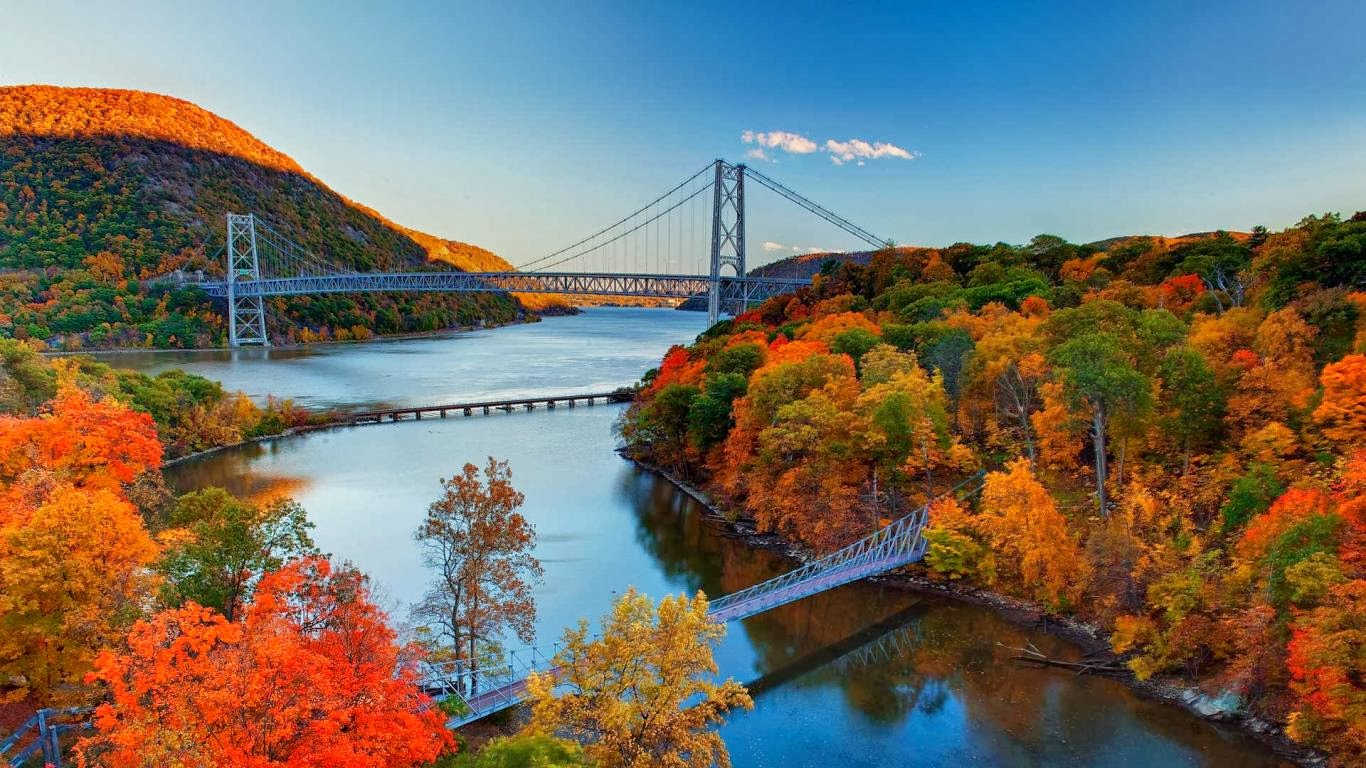
Ever wonder why deciduous trees drop their leaves when the weather turns cooler and the region heads into autumn and winter? Ever wonder why the leaves change color, to brilliant hues of yellow, red, and orange, before they drop?
These two events- color change and leaf drop- are separate events and separate mechanisms, but are both triggered by a combination of cooler temperatures and shorter days (photoperiod).
Let’s begin with the colors of fall leaves
Leaves are the solar panels of plants. They capture a fraction of the light energy from the sun and convert it to leaf cell energy that can be used to make sugars and other chemical building blocks for trees to make and maintain leaves, roots, flowers, fruit and seeds. The ultimate in solar-powered, sustainable, growth!
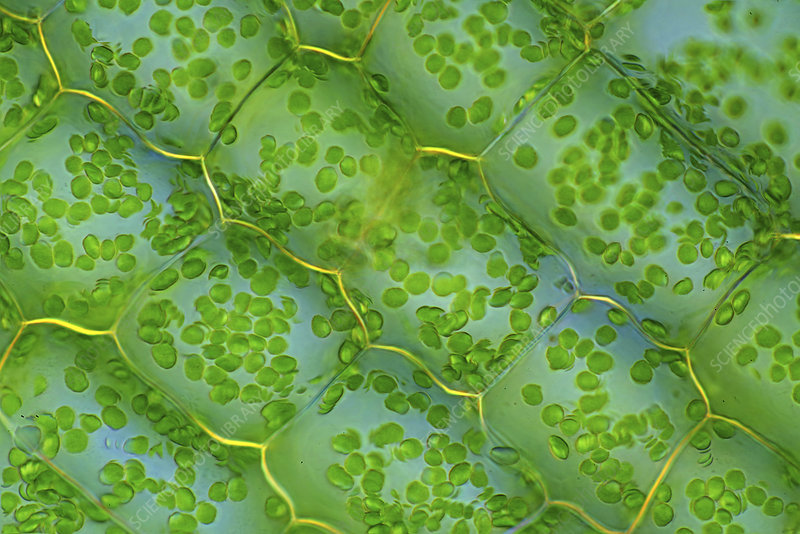
If you look at a leaf under a microscope, you see tons of tiny green solar cells, called chloroplasts, that are chock full of chlorophyll (pronounced: kloor – a – fill) and a number of other molecules (all called the general term photopigment) that can get excited by light. Maybe you learned about this in elementary school or high school. It might’ve been awhile. Chlorophyll molecules absorb red/blue light, while green light just passes right through (that’s why a lot of leaves look green to us in the spring and summer, because there’s a lot of chlorophyll).
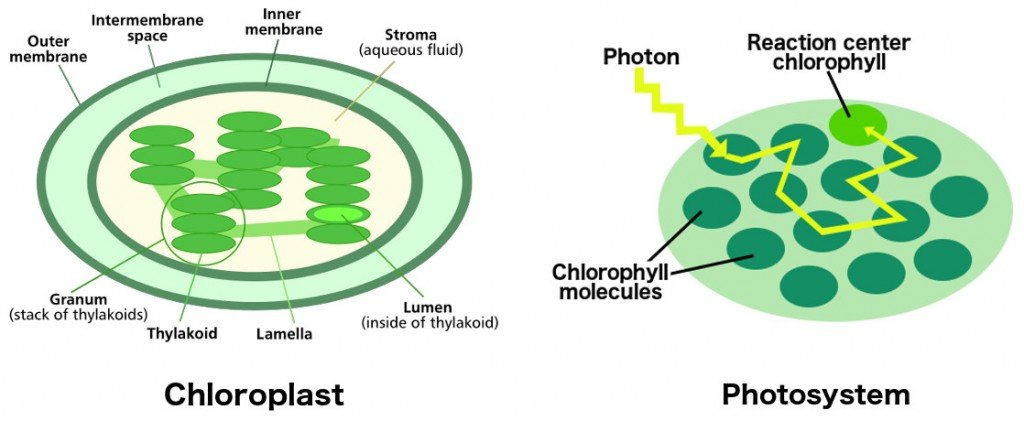
Chlorophyll and the other photopigments are organized, literally, into arrays that look like satellite dishes, arranged to capture light energy and send it through a series of chemicals that can pass the energy (in the form of electrons) like a game of hot potato, until the energy lands in an enzyme that can split water molecules. The water gets split because the energy is high enough to break the water bonds, forming oxygen and an electrical current (carried by hydrogen ions, protons) that powers an enzyme that can make cellular energy. It’s an amazing process that I’d love to talk about more in a future newsletter.
Chlorophyll can take on the light energy and not break up, but the energy needs to be passed along, lowering as it goes, until that final energy acceptor can do the water break up (called photolysis).
The other photopigments hang out in the satellite dishes and can absorb different wavelengths of light and protect the leaf from too much light damage. Kind of like sunscreen for the leaf. Some of these are called carotenoids (they absorb bluish and green light, so they will impart yellow and orange colors to leaves after chlorophyll breakdown and even fruit of some plants, like pumpkins and carrots). Another kind of pigment is called phycobilin (pronouced fie-co-billin), which captures greens and reds, so you’d see bluish or purple type color.
Leaf cells also contain molecules that can absorb light and, instead of being part of photosynthesis, they act like photoreceptors that “sense” the light and trigger cell responses. These light-sensing proteins, called phytochromes, are not part of the solar cells, but are found throughout the leaf cell. When light of different wavelengths enters the leaf cell, especially red/far-red, the phytochromes absorb the light, which changes their shape and causes the molecules to move into the cell nucleus to rapidly change the activity of genes, kind of like a light switch flicking on (in the nucleus) or off (out of the nucleus), to set in motion processes like leaf aging or leaf drop.
Leaves use a TON of energy to maintain all these molecules to do photosynthesis, which powers them and the rest of the plant.
Summer sunlight is enormously powerful. In the fall, though, the angle of the sun is lower (and the length of day is shorter) and so the energy striking the leaves is less intense and the photoreceptors get triggered to start leaf aging and leaf drop. The photoreceptors cause plant hormones to initiate an aging process in the leaves, where the chlorophyll is rapidly broken down and no more is produced. The breakdown products are used by the plant for other purposes, like seed production/dispersal and root growth (even the growth of storage facilities in some plants, called tubers, like potatoes, yams and other root-vegetables). The chlorophyll breakdown is pretty massive and rapid, so what’s left are the other photopigments, the sunscreens, that breakdown more slowly. It’s a very complex and highly regulated process that has only come into focus in the past 20 years or so. I got a lot of my information from an article published just in 2021, written by Fernando Dominguez and Francisco Javier Cejudo from the University of Sevilla in Spain.
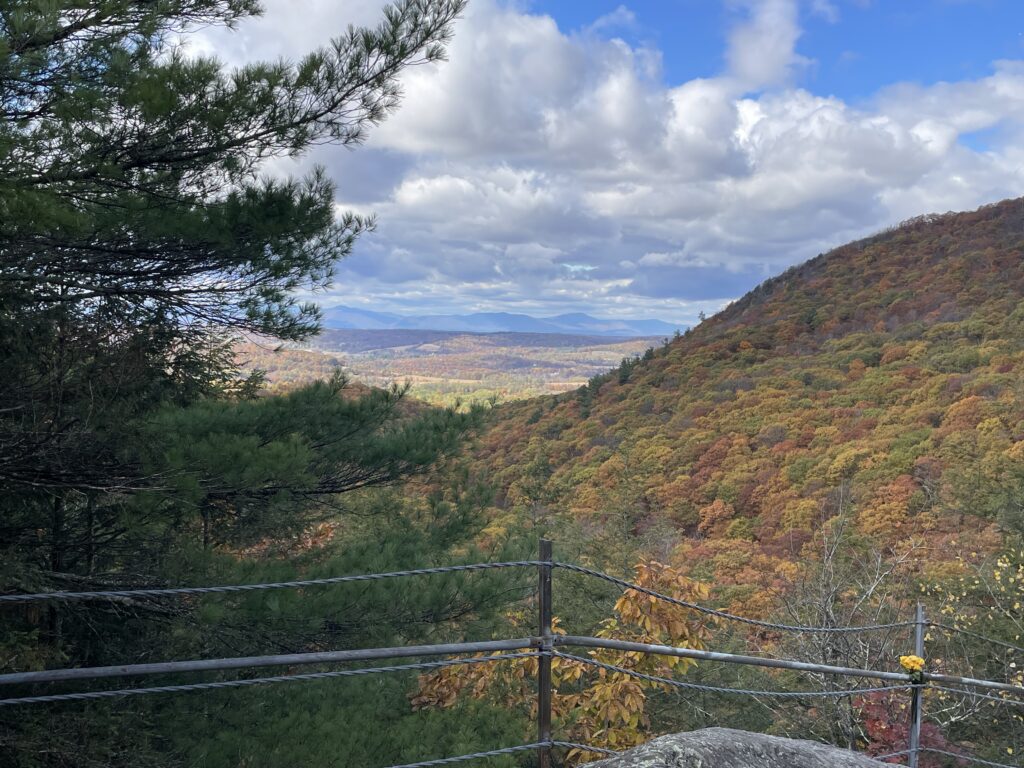
Aging, dying, leaves often turn yellow before they fall off the plant. Many plants have protective photopigments that absorb wavelengths other than yellow, so the yellow is what you see. Others, like maple trees, have photopigments that absorb blues, yellows, greens, and so what you see are the reds and oranges that are not absorbed. Some tree leaves (like the sugar maple) actually make new photopigments while the chlorophyll breaks down, so the leaves turn red or even purple, or my favorite, the multicolored leaves. So, the leaves “turn” all these brilliant colors, a sign that the chlorophyll is gone. After the chlorophyll is gone, the rest of the satellite dish is degraded- all the parts are dismantled and recycled to other parts of the plant, like the roots.
What signals a leaf to drop off the tree?
Leaves take a lot of energy for a tree to maintain. The sunlight is high energy and leaves have millions of chloroplasts filled with the satellite dish complexes that absorb light. All those complexes need continuous replacement and renewal. The energy comes from the sunlight, but the sun’s angle and the length of time the sun is up decrease in the fall and the amount of energy that the leaves can harvest from the sunlight becomes less than needed to support the leaves. The changes in the sunlight, along with declining temperatures triggers plant hormones that spark a process, called abscission, at the base of the leaf stem. A thin band of plant tissue forms to literally cut off the leaf stem from the branch. Once the band is complete (and the branch is sealed off from the leaf stem), the leaf drops off.
Leaf abscission can be triggered in individual leaves any time of year. If a leaf gets some kind of infection, the plant responds by sending the abscission hormone to the infected leaf and triggers the leaf to drop. Leaves that do not produce enough energy (they become too shaded, for example) can also be dropped by the plant. If the entire plant doesn’t have sufficient water (or too much water such that roots drown and cannot function adequately to nourish the plant), multiple leaves might drop.
Sometimes the leaf goes through the aging (senescence) process first- where the chlorophyll breaks down, the leaf turns yellow or other colors, and then drops off. Sometimes, the leaf just drops off.
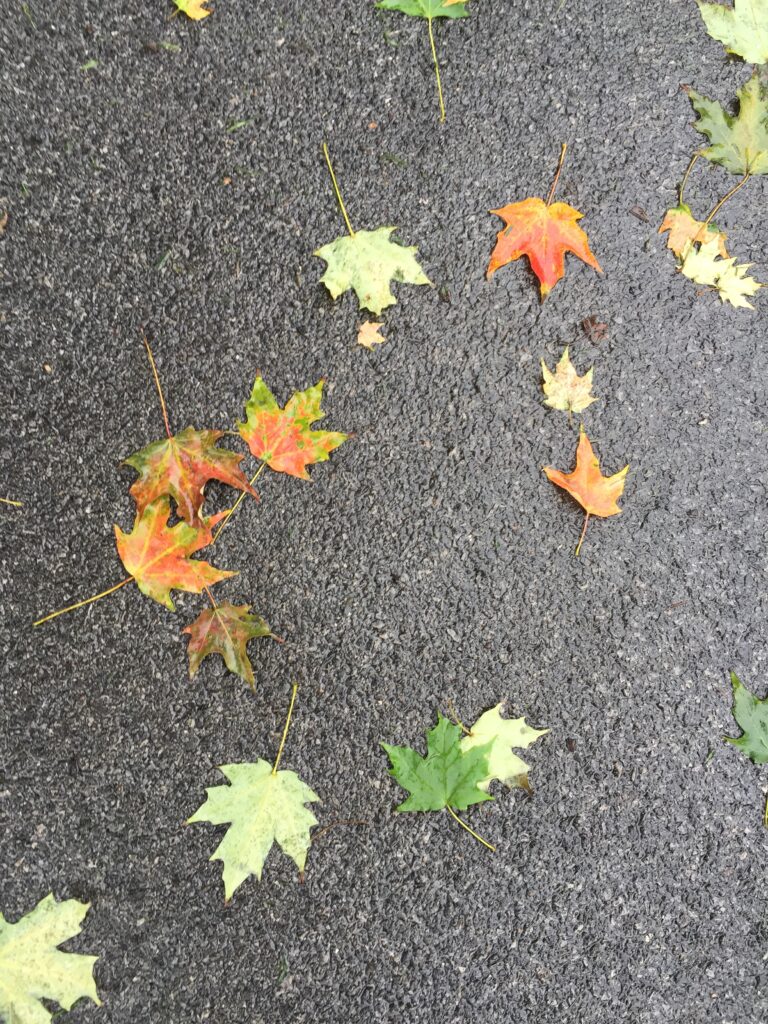
For many deciduous trees, the chlorophyll breakdown process happens before the leaf drop process. So, the leaves change color and then drop. Scientists don’t know if both processes happen simultaneously in response to the same types of photoreceptor signals, but the drop process takes longer, or if the processes are independent. Based on some of the variety of responses, where leaves drop while green, or leaves change color but don’t drop, I’d guess that there’s a variety of signals, or a variety of processes, or both. (The more I’ve been reading about all this new science, the more complicated it seems.) Here’s a great website that takes a look at temperature and color change.
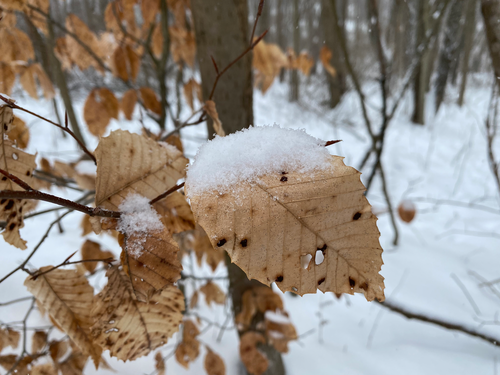
If you walk through a forest in the northern hemisphere in late autumn, you’ll note lots of trees with barren branches, but some trees, like the American Beech, even after the leaves are dry and brown, retain the leaves on the tree on some, but not all the branches. What’s going on here? Some folks think that these trees evolved differences in the timing of leaf drop (as compared with chlorophyll breakdown and leaf aging) so that there are some decoy leaves to discourage predators (like hungry deer) from eating the tiny leaf buds of next spring’s growth. Others surmise that in those trees the leaf drop process just takes a while and that leaves drop slowly throughout the winter or in the early spring. Maybe this long time period to drop off helps the trees resorb more nutrients, compared with the thick yellow and red leaves that just drop off all at once. Some hypothesize that retaining leaves can protect small branches from freezing damage.
There’s so much we still don’t know about the fascinating foliage around us!
This newsletter is devoted to explaining how biology works and how it is relevant to our daily lives. Most of us stopped learning about biology in high school or even middle school. And the way we learned it was as isolated concepts and vocabulary to memorize. I hope that this newsletter helps you rekindle that love of biology and might even help with better understanding of some of the important biology all around us. Please share this with anyone you think might want to take a look.
Thanks for reading!