
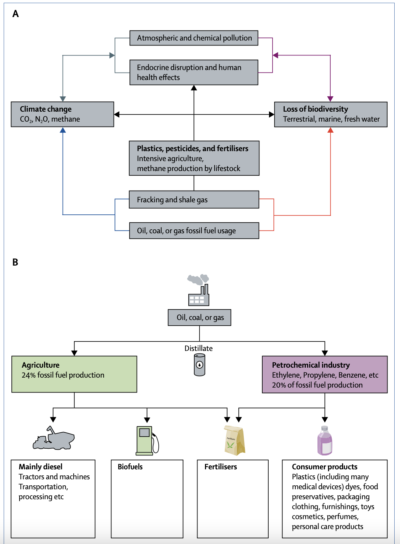
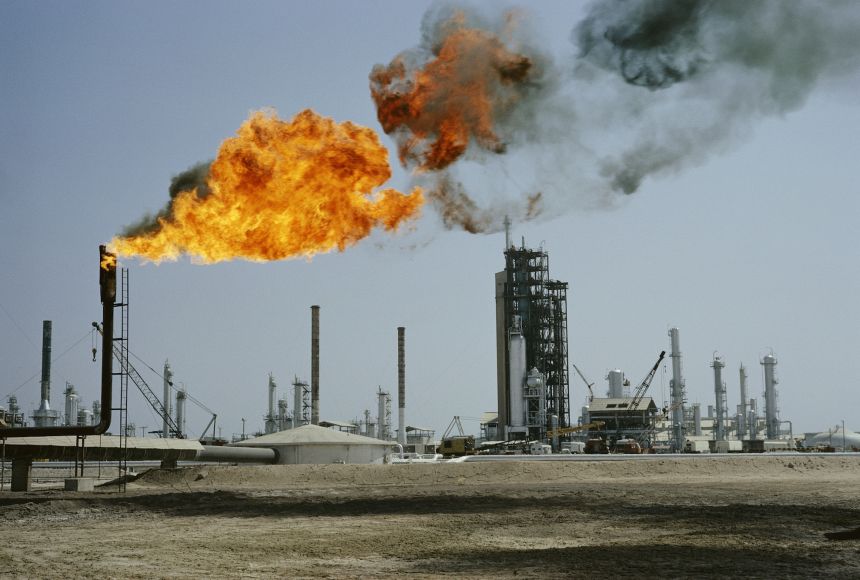
The featured image is from:
How fossil fuel-derived pesticides and plastics harm health, biodiversity, and the climate, by Demeneix, Barbara. The Lancet (2020) Diabetes & Endocrinology, Volume 8, Issue 6, 462 – 464
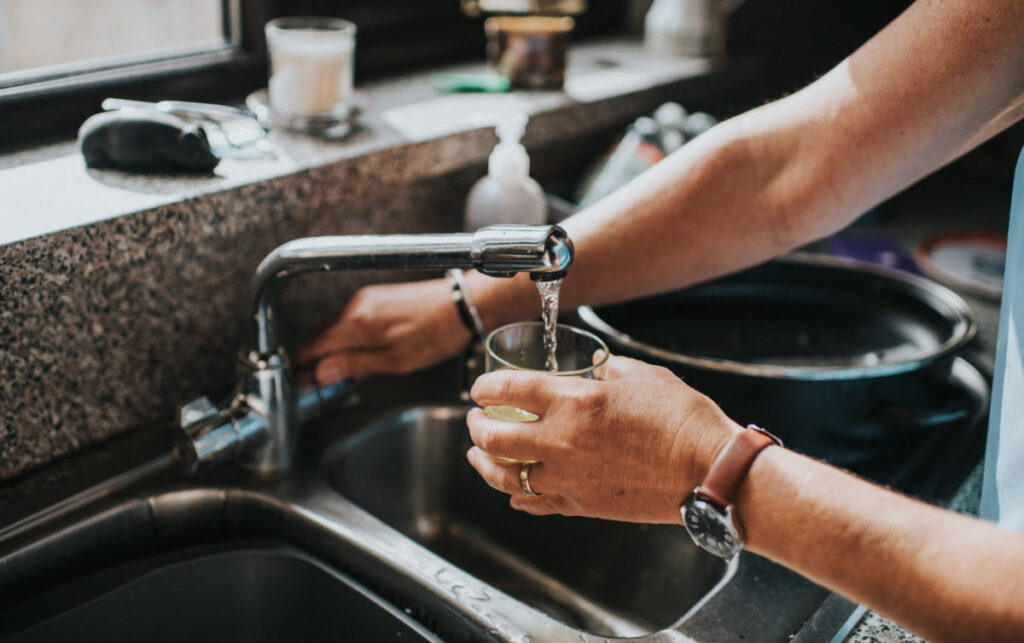
We are all exposed to hundreds of chemicals each and every day. If you’ve been reading this blog, you’ve read about pesticides and other lawn chemicals, as well as the pesticide residues in the foods we eat, the air we breathe, and the water we drink.
We are also exposed to hundreds of other chemicals that we rub on our skin, and that we clean our bodies and clean our homes with. These chemicals, called “care chemicals,” are also a HUGE industry. And, like lawn/agricultural chemicals, they are mostly brought to us by…..the fossil fuel industry.
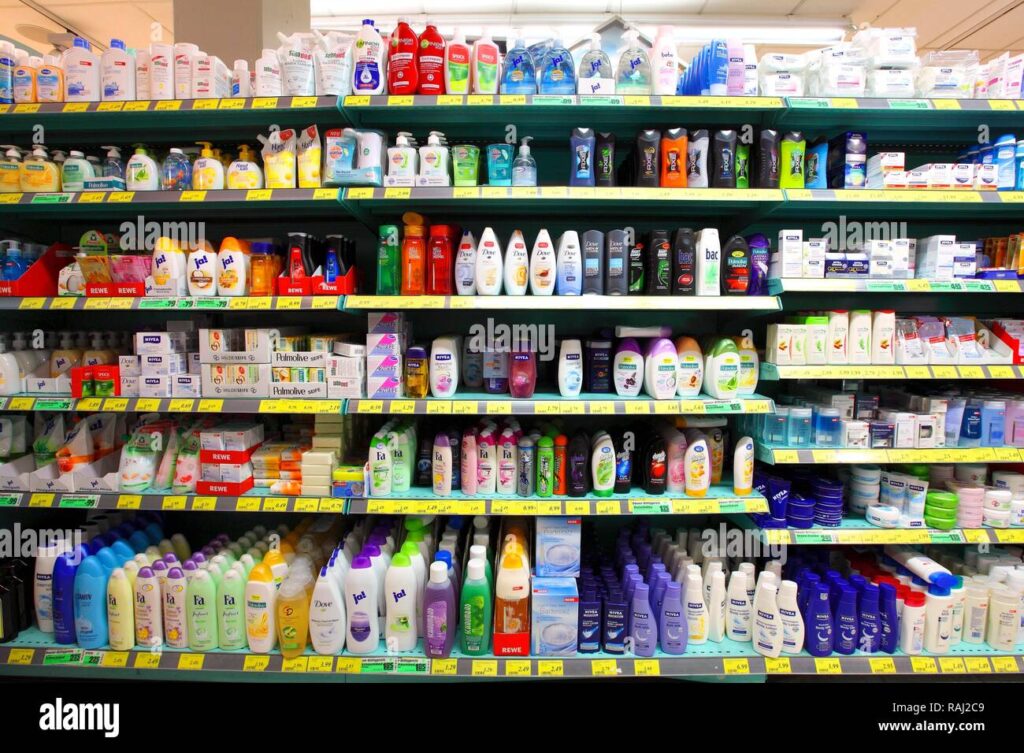
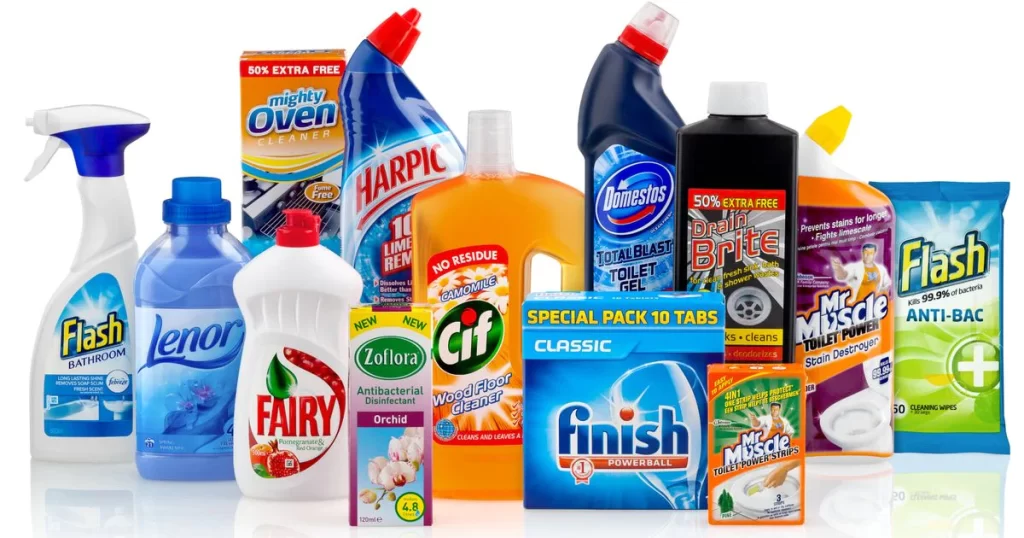
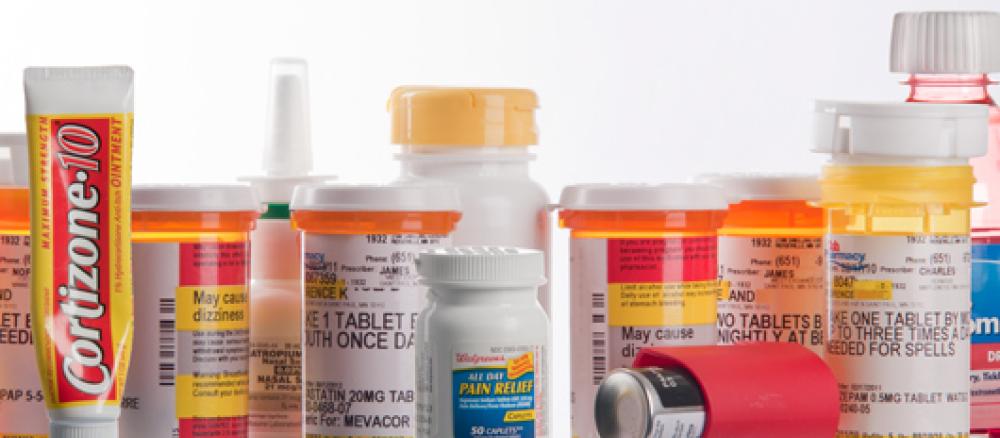
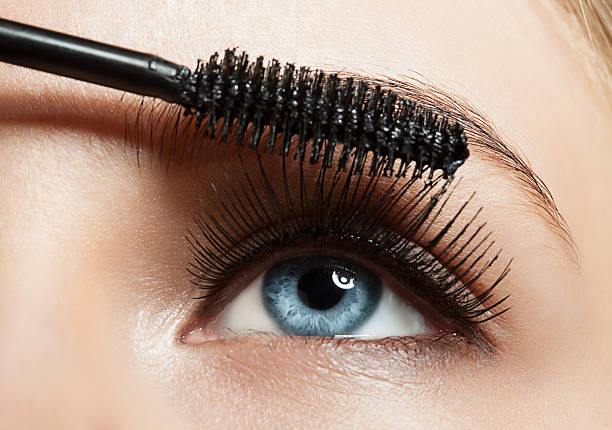
Care chemicals are big business: cosmetics, personal care ingredients for skin, hair care, household cleaning products. Think for a second about all the various care products you have used TODAY. I took a morning shower, using soap, shampoo and conditioner. After drying, I applied an under-arm deodorant because it’s going to be another hot and humid summer day. On my face, I put on a foundation with sunscreen, eyeliner and mascara. I brushed my hair with my plastic hairbrush and put it up in a pony tail with a stretchy hair tie (made with petroleum-based elastic fibers). After breakfast, I cleaned up my dishes with dish soap using a nylon and foam sponge and wiped the counter with a “multi-purpose” cleaner. I brushed my teeth with toothpaste and my plastic toothbrush and took my two prescription medications and a vitamin. All this before 9 am! What about you?
How are the ingredients in all of these products made? The majority come from the massive chemical industry and–where do they get the building blocks for all those chemicals? Fossil fuels- crude oil, natural gas, fracked gas. Base ingredients produced from these fossil fuels, called feedstocks, include sulfuric acid, sodium hydroxide, methane, ethylene, butane and propylene. From these ingredients can be crafted the chemicals that form plastics, household cleaners, soaps, prescription drugs, over-the-counter medications like tylenol, cosmetics…..
It’s really hard to believe that the mascara I put on and the scented candle I light and the air freshener I spray and the laundry detergent I use have base ingredient chemicals that come from oil and gas. But, they do.

In addition to personal and home care chemicals, we are also exposed to huge numbers of chemicals found in our plastic accessories– food spatulas, food packaging, nonstick coatings, bottled water, home insulation, electronic cases and components, fibers in our clothing, rugs and upholsteries, even the laptop keyboard I’m using to type this post. And yes, these too we owe to fossil fuels, because fossil fuels are the basis of all new plastics. It’s nearly impossible to get through a day without exposure to multiple chemicals from the things of our modern life. The production of feedstocks alone accounts for 12% of carbon emissions and the fossil fuel companies are pouring more into this sector of the economy as the demand for alternatives to fossil fuels in transportation and energy grow. And yet, this huge source of both climate-changing emissions AND direct chemical pollution that’s endangering our planet and our own health, is pretty much ignored and operates behind the scenes with virtually no accountability.

I remember watching The Graduate, a movie from 1967 that has an incredible soundtrack of my all-time favorite group: Simon and Garfunkel. A memorable scene from the beginning of that movie, clipped in the linked Youtube video, really highlights the beginning of the petrochemical take-over of modern life (do you remember this scene?): https://www.youtube.com/watch?v=PSxihhBzCjk
How prophetic!
To make a 170 year history (please note the source of this history: American Fuel & Petrochemical Manufacturers (AFPM)) into a soundbite, the fossil fuel industry got its start with the extraction of kerosene from crude oil as a replacement lamp oil for whale blubber because humans had hunted whales to nearly extinction by the late 1800’s and there was a cheaper alternative in the new petroleum industry. Talented scientists and entrepreneurs discovered more and more ways to extract, refine and produce chemicals from oil that could be used for all sorts of different fuels, especially automobiles and trucks. Byproducts from these processes could be adapted into other products, notably fertilizers, munitions (for war) and even transatlantic communication cables. The invention of nylon in the 1930’s and polyester revolutionized the textile industry in the 1960’s (think of the polyester suit craze!). And, of course, the plastics explosion of the 1980’s, 1990’s and 2000’s put plastic front and center in our daily lives. Heck, lots has changed even since the pandemic: a huge increase in single-use plastics–137 million tons just in 2021– more plastic packaging of veggies and fruit, more hands-free items made of plastic. The plastics explosion continues unabated despite worries of the plastic garbage dump in the oceans and landfills everywhere.

The economics of the industrial chemistry empire these days is staggering. In just 2017, the chemical industry contributed $5.7 trillion USD to our gross domestic product (25% of our GDP!) and employed over 120 million workers worldwide with 15 million just in the US, as reported by the International Council of Chemical Associations. That same report noted that more than 95% of all manufactured goods rely on industrial chemicals. Chemical production lies at the base of virtually every aspect of the modern economy and it’s value is often highlighted and celebrated, but the environmental and human health costs are not factored into those economics.
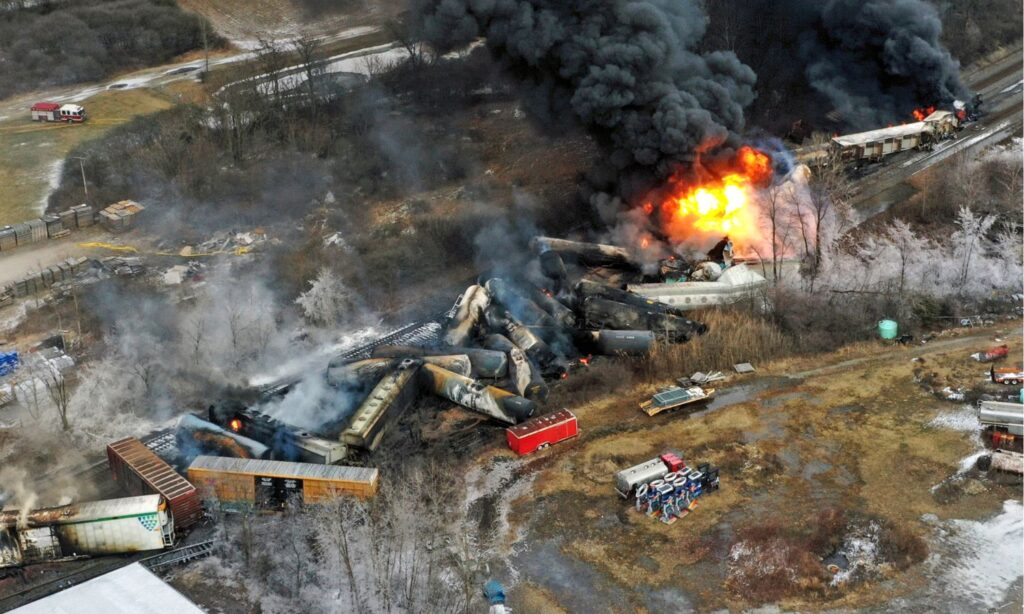
Some of these environmental and health costs surface when there’s a leak, spill or explosion…..here are a few recent events that have made the news:

Okay, so now we get it that the fossil fuel mammoths and the industrial chemistry goliaths are deeply intertwined into the very fabric of our lives. We know many of the chemicals in our everyday products are harmful to our health (look back at the previous post on thyroid hormone).
But, the devastation to our planet is much more enormous.
Carbon emissions and air pollutants from fossil fuel extraction and refinement. Carbon emissions and air pollutants from the chemical feedstock production and distribution. Carbon emissions and air pollutants from the manufacture of the products.
Chemical pollutants from all these processes, discharged into the air, water and soil.
Chemical pollution in the water and soil from the consumption (by us) of these products- from washing down our drains, to sitting on top of the soil on our property, to flushing down our toilets.
Chemical pollution in the water, air and soil, from the waste management (or lack thereof) from the products being tossed out, incinerated, dumped on land and in water.
Chemicals mix together into a toxic stew that we have no idea how great is the harm. Scientists are only scratching the surface about how mixtures of chemicals add and amplify each other’s effects, or have altogether new effects as a mixture, compared to as isolated ingredients. I’ll talk more about the science of mixtures in a subsequent post.
The chemicals out there stick around for decades, centuries, leaching poison that kills our living planet.
So, what’s to be done?
Being aware of the chemical marinade and its origins with the fossil fuel industry can help you to:
Minimize your personal home exposures where possible.
Minimize the waste you produce.
Activate you as a citizen for your community to promote candidates and local policies that regulate the production, waste management and switch to safer alternatives.
It’s crucial to put a spotlight on industries and practices that have operated below the radar of public scrutiny or awareness for more than 60 years.
Here are some other articles and sources you might want to take a look at:
Plastic production and fossil fuel industry: article from Center for Biological Diversity: https://www.biologicaldiversity.org/campaigns/plastic-production/index.html#:~:text=Plastic%20will%20soon%20outweigh%20all,turn%20fossil%20fuels%20into%20plastic.
Report from International Energy Agency: https://www.iea.org/reports/the-future-of-petrochemicals
Plastic pandemic article by Shekhar et al, 2022, ACS Sustainable Chemical Engineering: https://pubs.acs.org/doi/full/10.1021/acssuschemeng.1c08468?casa_token=3HVg2w-RcFkAAAAA%3AdpyU2Z43MNS5Cxfelr1tdU6WvVm9KfuIEsiA-JebPbqzU9-ps3rRUp3Dn3i35fwovUZbuOpnXfqsvUJL.
Article re plastic waste during pandemic 2023:
Plastic wastes in the time of COVID-19: Their environmental hazards and implications for sustainable energy resilience and circular bio-economies,Science of The Total Environment,Volume 858, Part 2,
2023,159880,ISSN 0048-9697,https://doi.org/10.1016/j.scitotenv.2022.159880.