

Most of us believe that if a product is for sale in this country, then it must be safe. Well, safe enough. If something isn’t safe, then it will have a warning label on it. We use, or eat, or handle, at our own risk, knowing the risks because the companies tell us the risks.

We drink alcohol knowing it can damage our livers. We smoke cigarettes knowing we might get lung cancer. We use lots of things that we know could harm us if we aren’t careful, like sharp knives, guns, motorcycles and chainsaws. Most of the time, we read the instructions or warning labels and try to use the product safely. The same is probably true of the harmful pesticides we buy and apply to our lawns, gardens and even pets. But the warning labels are woefully incomplete and it’s very difficult to use pesticides safely. Using pesticides is different, too, because we release toxins into the world, creating risk for individuals who never signed on to the risk.
Here’s an image from a website that explains how to read and understand pesticide warning labels.
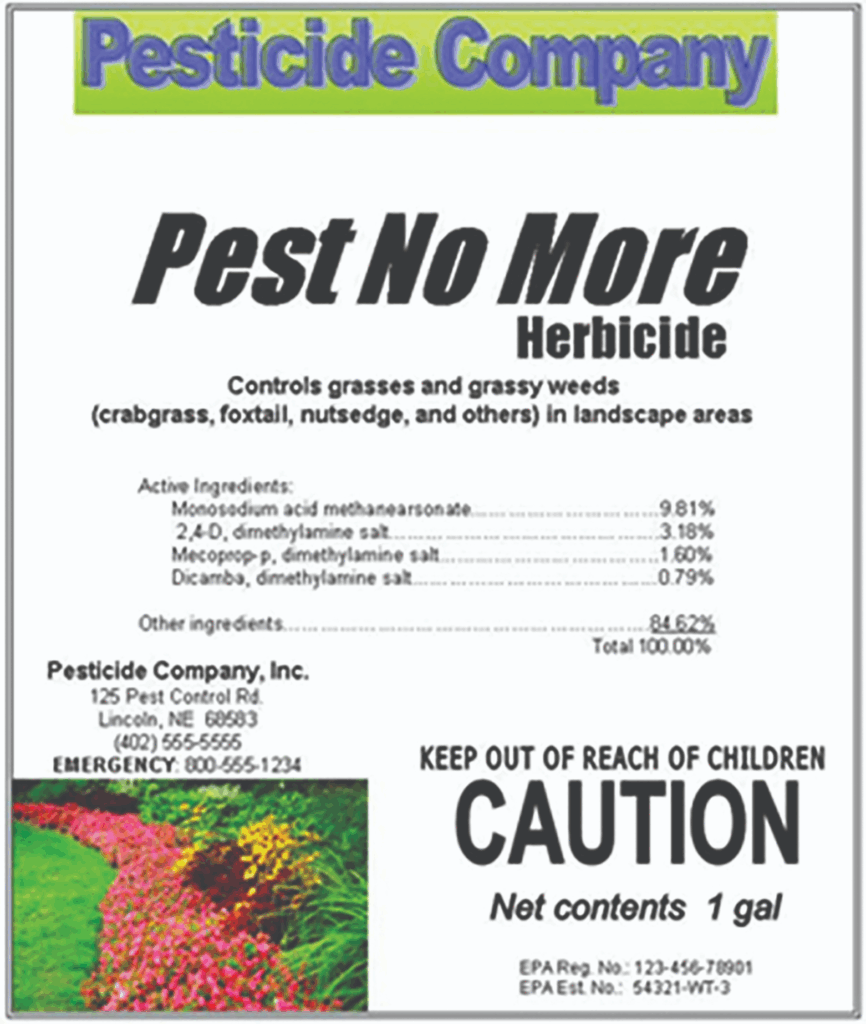
The kicker is that the company marketing the pesticide product doesn’t have to provide information on the “other” ingredients.

The US Environmental Protection Agency is the agency that is responsible for ensuring the safety of new pesticide products and formulations. They are mandated by federal law to evaluate pesticides, including conducting risk assessments that are reviewed by staff scientists. From the website, the EPA requires companies to conduct testing for acute toxicity, subchronic exposure (90 day in many cases) oral, inhalation and dermal toxicity in rats/mice, chronic (feeding to rats/mice over the course of their life) reproductive and neurotoxicity studies, also in rats/mice, and also ecological testing of residue effects, or tests of the inadvertent spread of the pesticide in the air, soil, and water. The tests certainly seem extensive. However, the criteria for what’s considered “safe” are really vague. There’s also a statement in the guidelines, “If your proposed product is substantially similar to another EPA-registered product, you may be able to rely on existing studies.” In that case, the EPA indicates that the company may have to pay another company to be able to use their safety data. Wo. Do you find that concerning?
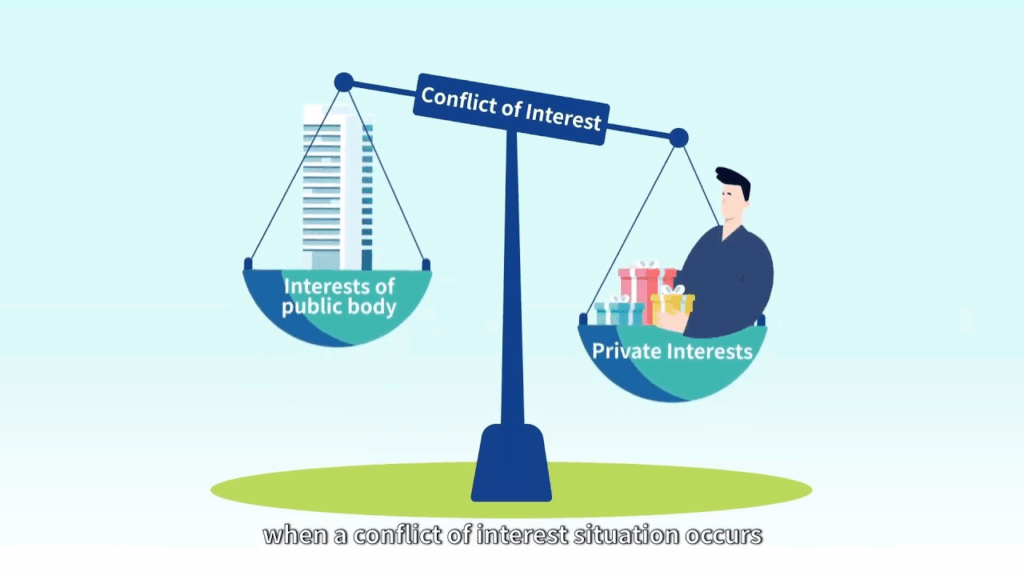
There seems to be something inherently fishy about a company vouching for the safety of its own product. Even fishier is that companies can pay each other to use their data. Might these be conflicts of interest? [Yes! You should exclaim.]
For many years, independent scientists have been highly critical of the inadequate testing of the safety of the hundreds of different pesticides and formulations that are approved for use. There’s a very interesting section in the pesticide approval instructions about gaining approval for a new pesticide:
EPA’s goal is to ensure there is sufficient information to reliably support registration decisions that are protective of human health and the environment, while avoiding the generation and evaluation of data that do not materially influence the scientific certainty of a regulatory decision. It is important to only require data that adequately inform regulatory decision making and thereby avoid unnecessary use of time and resources, data generation costs, and animal testing.
I wonder how this section is interpreted by the company and by the EPA?
We live in a completely different universe with today’s US EPA. It’s terrifying that the EPA has just announced that it is closing its scientific research division, which will likely remove even what safeguards exist. Use at your own risk takes on a whole new meaning.
Once a pesticide formulation has been approved by the EPA and is on the market for a while, scientists and epidemiologists not associated with the company and not associated with the EPA get a chance to test the safety claims of the company. Not surprisingly, these independent tests often reveal dangerous consequences of the use of the pesticide product, particularly in its commercial formulation with the large percentage of “other” ingredients. With the passage of time and more independent studies, we begin to understand better the true toxic impact of the product on non-target animals (like pollinators), wildlife (like birds, frogs), environment (like lakes, streams and rivers), pets and people. It often takes years for the studies to make it out into the public realm. And, because it takes a while for the science to be done, people meanwhile have a hard time believing that something they’ve bought and used for years could be that harmful. Why weren’t they told about this toxicity?
Here’s a specific example. When pesticides are sprayed on someone’s yard (or a school play yard) in NY State, these little yellow signs must be posted:
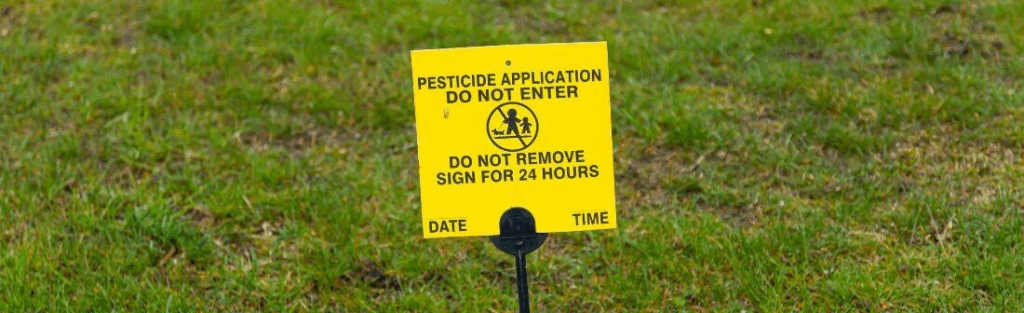
We assume that the grass is safe for our kids and pets after 24 hours and that someone actually determined that time frame is enough. But, the half life of most of these chemicals is months to years. With four or more applications in a single growing season, the yard is super toxic. Beware!
The original studies done by the company to gain approval to market and sell the product don’t look at cumulative impact. What I mean by this is that their studies do not evaluate what happens with repeated ingestion (or breathing dust or being doused with the chemical over and over). They do not evaluate what happens to the farm worker or lawn care worker who applies the pesticide or actually multiple different pesticides four times a growing season for years. They do not evaluate the build up, the bioaccumulation, of the pesticide mixtures or those unknown chemicals over time. That kind of information comes out slowly, as people live with the exposures, as diseases start cropping up. By the time the picture of toxicity emerges, it’s too late for babies who were exposed in utero, or for workers with Parkinson’s disease, or for a grandmother’s cancer diagnosis.
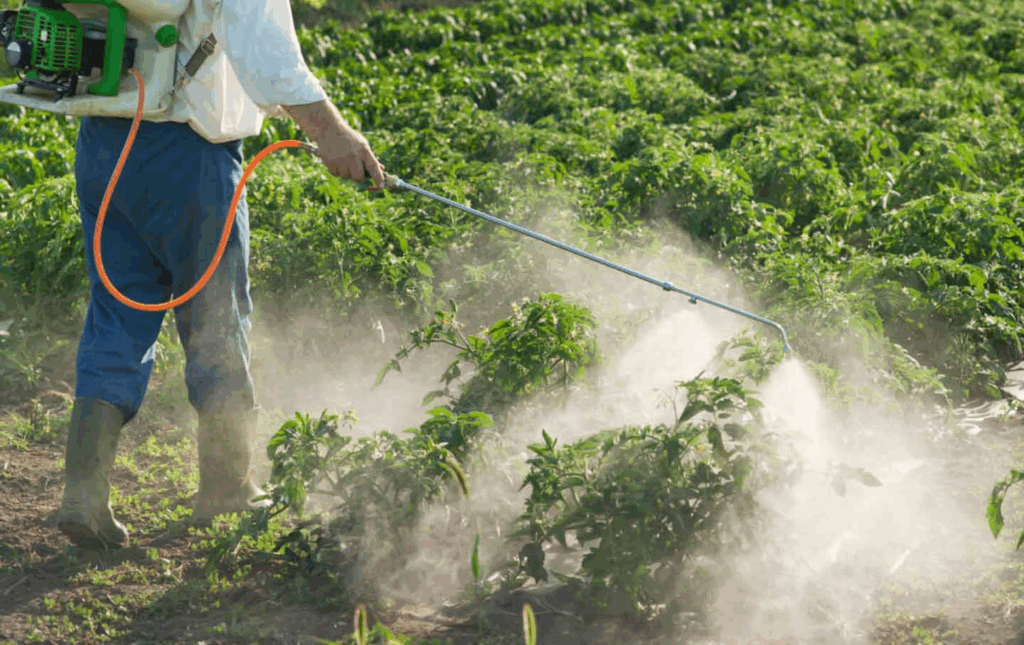
(the image is from an article from The Nation: “More than 90 Percent of Americans Have Pesticides or Their Byproducts in Their Bodies.” March 2019)
Another aspect of how we tend to approach our own use of potentially toxic things, is we do not really consider how others might be exposed by our use. Think, second hand smoke. It took decades for people to realize that the smoke they exhale into the air puts others at risk of disease. In the exact same way, your use of pesticide products, even in small amounts as safely as you can, exposes more than just you to long-lasting harm that builds up after each exposure. Your lawn care workers, your family, your pets, your neighbors and the wildlife in your area are all at risk. Do people think about that when they decide to pay for the full lawn care service?
A perfect green lawn is not worth the risks.
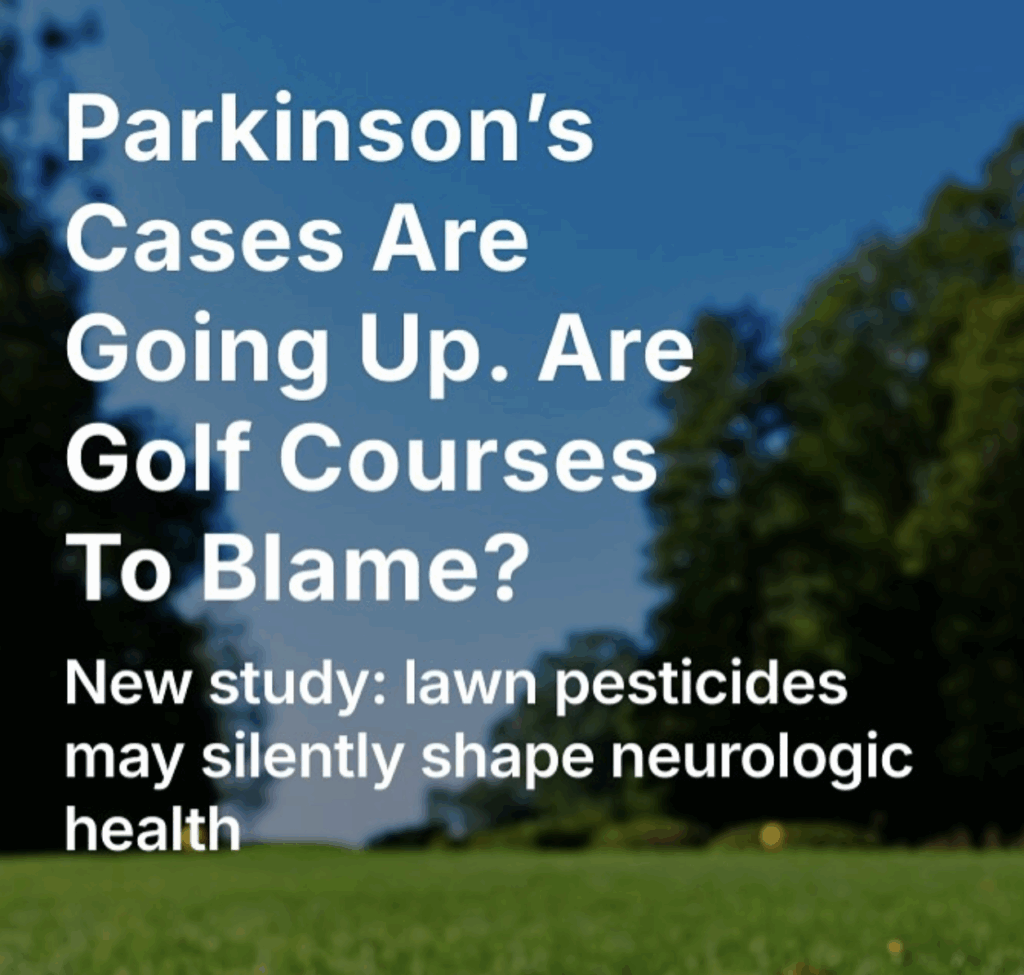
I recently read a scientific article, published just last month, that reviewed over 120 different scientific studies from all over the world examining the human health effects of the most prevalent pesticides in use in agriculture and residences and golf courses. I thought you might be interested in hearing what they had to say.
Scientists Alexandra Botnaru and her colleagues at various institutions including the University of Medicine and Pharmacy in Romania, summarize a tremendous amount of research conducted over the past 10 years, much of it in the past five years. The evidence paints an alarming picture of the public health hazards of pesticides. The most notable harm, not surprisingly, is to agricultural workers and their families, but also city and suburb dwellers exposed to low levels of pesticides in food, their lawns or parks, the air and water. Botnaru and her team review convincing epidemiological human studies and experimental work on animals and cells that the most commonly used pesticides, particularly in their commercial formulations (ie. mixed with all those “other” chemicals that go unreported), are likely responsible for neurotoxic effects that contribute to neurodegenerative disorders like Parkinson’s disease and neurodevelopmental disorders like autism and even ADHD. Here are the highlights of their findings.
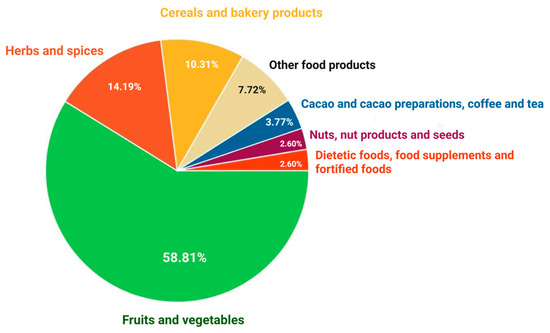
- The commercial formulations are much more toxic. Also, mixtures of different pesticides are much more harmful. All of us are exposed to more than one pesticide- they all combine and mix inside our bodies. From this figure from their paper, you can see that a lot of us get exposed through the food we eat. But, the exposures from lawns, gardens and golf courses are also substantial.
- The most vulnerable of us, fetuses, infants and young to adolescent children, are the most effected.
- Being exposed early in life alters brain and hormone development and contributes to disease later in life.

4. This is a global problem- even super poisons like DDT that were banned decades ago most places are still found in food and water. Same goes for neonics (last week’s newsletter) and chlorpyrifos (worthy of a newsletter on its own). Even when some countries ban the use of these poisons, they are still sold and used in other countries that haven’t banned them. The chemicals travel the world in water, the air and enter wildlife and the food chain.
While it’s difficult to avoid the pesticide residues in your food, you do have the ability to reduce your overall exposure by not using pesticides on your lawn. It’s easy and will even save you lots of money.
This newsletter is devoted to explaining how biology works and how it is relevant to our daily lives. Most of us stopped learning about biology in high school or even middle school. And the way we learned it was as isolated concepts and vocabulary to memorize. I hope that this newsletter helps you rekindle that love of biology and might even help with better understanding of some of the important biology all around us. Please share this with anyone you think might want to take a look.
Thanks for reading!