
Warning: Undefined array key "file" in /home/earthmov/public_html/wp-includes/media.php on line 1788
It’s weird how many people find any mention of chemicals such a turn off. I mean, we are made up of chemicals. We seek “chemistry” with others. We eat chemicals, drink chemicals. We lather chemicals onto our hair and skin. Why don’t we love learning about chemicals?
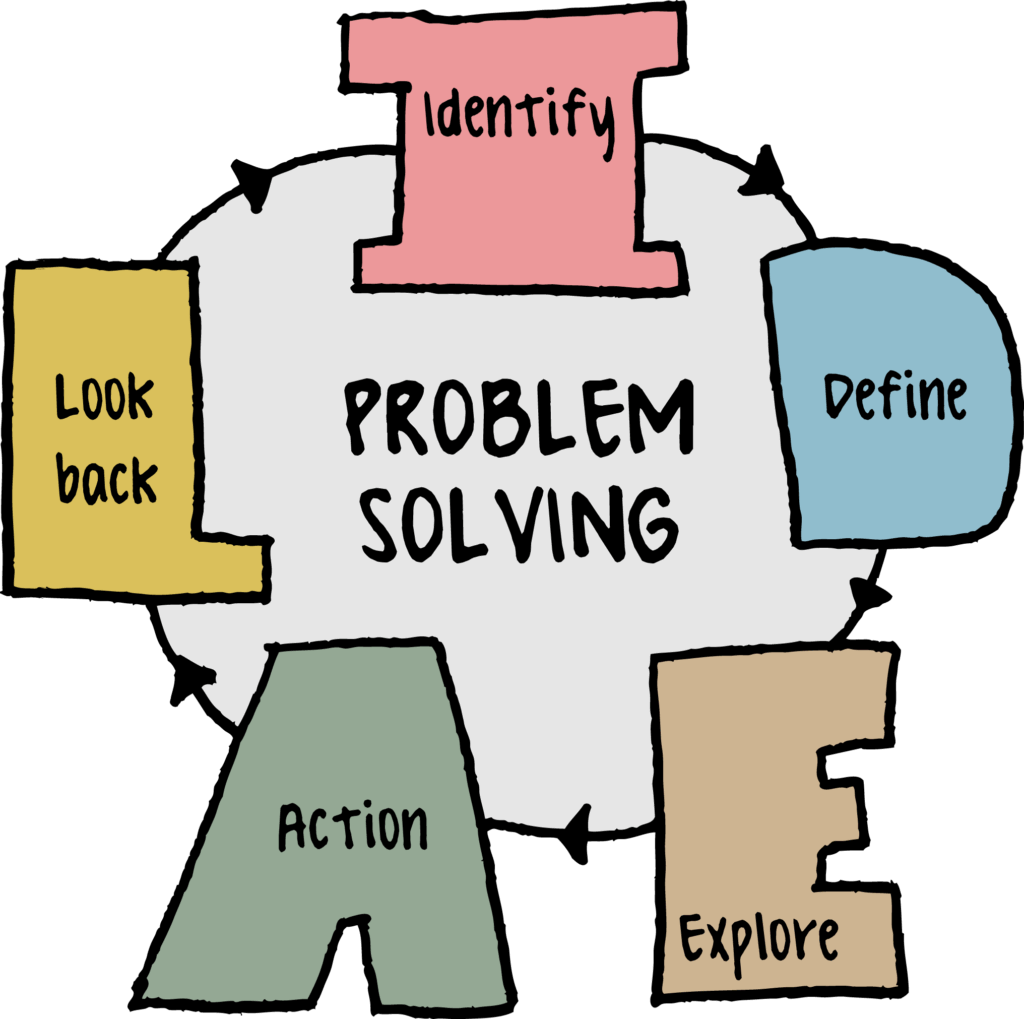
For most people, the first time they recall learning about chemicals as a subject in school is perhaps late grade school or middle school. Remember trying to memorize parts of the periodic table? Or, memorizing the states of matter? Or, perhaps worst is solving problems about density? By middle school, most teachers start treating learning science-y or math-y stuff like this as hard or challenging. Teachers try to force our thought processes and learning into “the scientific method.” We have to:
- Conduct observations
- Derive a hypothesis
- Design an experiment to test the hypothesis
- Gather data
- Analyze the results (preferably using math and statistics)
- Draw conclusions to support or refute the hypotheis
- Refine and repeat
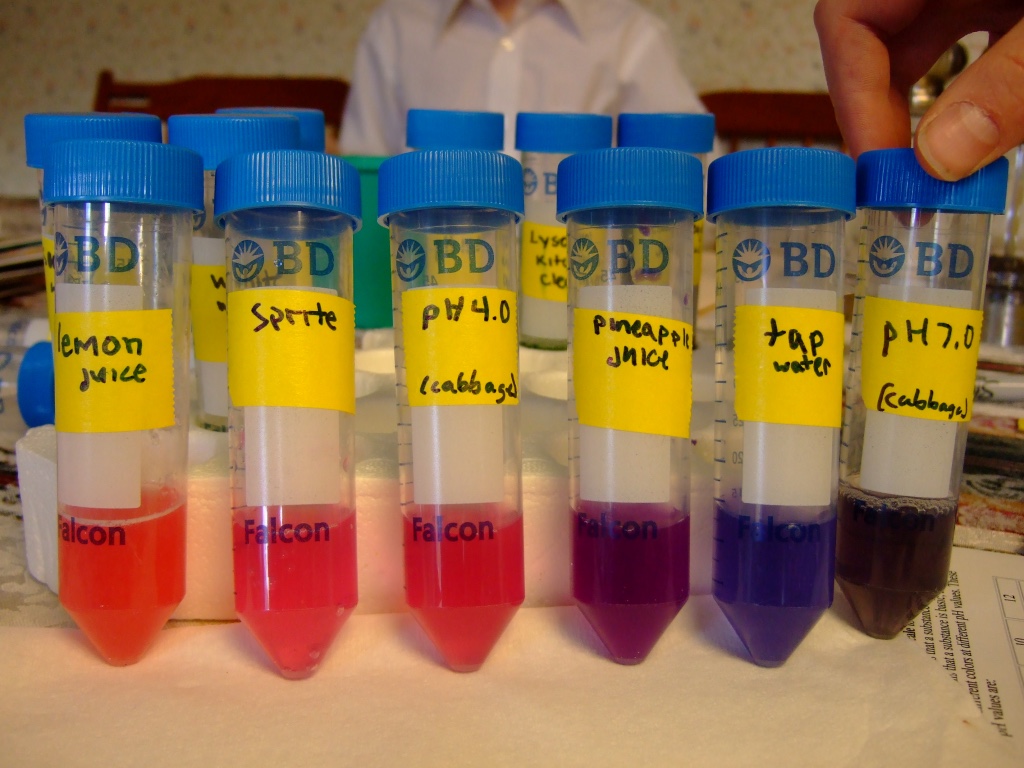
All so rigid! Gone were the grade school days where we just focused on the wonder of the world around us. When our teacher added two clear liquids together and the result was a brilliantly colored solution!
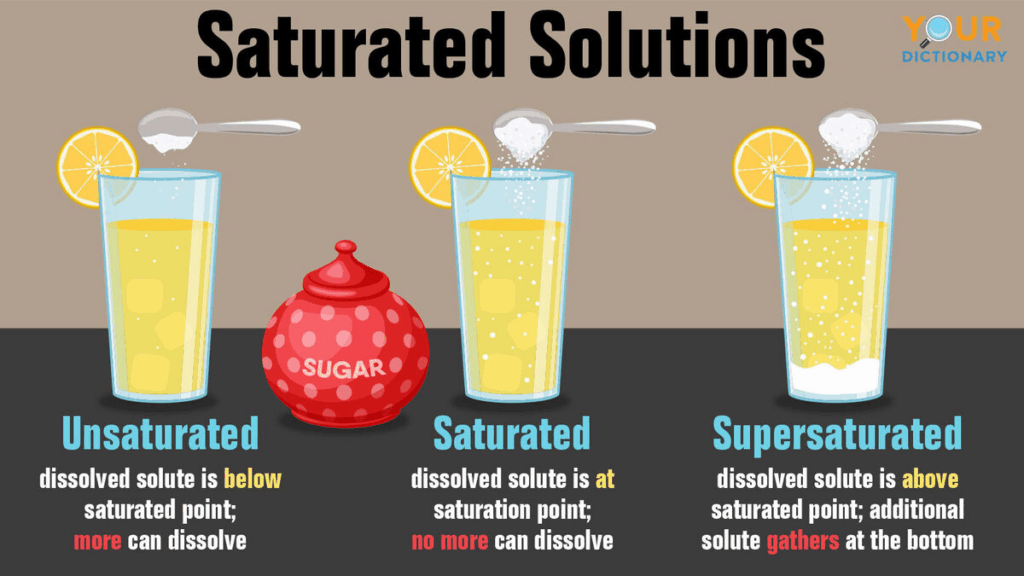
Where we tried to add so much sugar to water that no more could dissolve and it piled up on the bottom of the glass (to use chemistry language: we had just made a supersaturated solution, where the excess sugar precipitated out of solution).
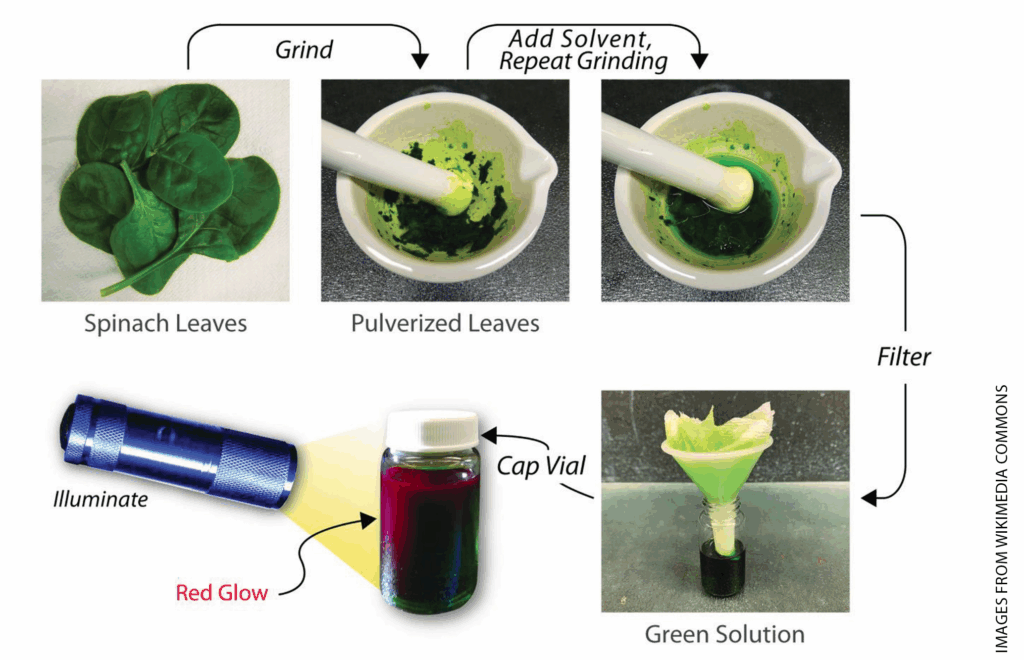
Where we ground up spinach leaves in a liquid that released the green pigment chlorophyll and then shined a flashlight on the tube and it showed a red band (showing that various wavelengths of light are absorbed and others are transmitted- a key to photosynthesis).
In school, the learning part of chemistry is considered “hard science” and the fun part is a small number of demonstrations that are cool to see but that often seem disconnected from the problem sets and vocabulary of the “concepts.”
By the time kids get to high school, they take chemistry class because they have to to graduate or they need it for their college plans of becoming a doctor. Chemistry in high school becomes a high-pressured, rote memorization process and most of the fun demos are replaced by arduous data collection and lab reports that follow a strict set of instructions in a set order like “introduction,” “statement of hypothesis,” “materials and methods,” “results and conclusions.” For most of us, that’s not much fun, especially when we get points deducted for not following the script precisely.

After more than 30 years trying to convince my college students that the chemistry of life is actually fun and wondrous, I think this emphasis on the scientific method as the only way to think about the natural world is what kills the spark of curiosity that most of us feel even as adults when we encounter a new chemical or chemical process. The same approach slays interest in biology, physics, earth science and even math! Many of us later say, in public, “Oh, I’m not a science type.” Or, ” I’m just not good at math or science, so I steer clear.” It’s no wonder so many folks have problems understanding climate change, or why pesticides are harmful, or the links between toxics and health. We turn off before we even get started. Imagine if we publicly admitted, “Well, I’m not really a learning type of person, so I steer clear.”

So, how can we shift from creating the phobia to embracing the idea that chemicals have to do with everything we do and let ourselves learn about the chemicals in our lives?
By showing that there is another way to think and learn about our natural world than either blind faith/divine revelation or the scientific method.
Let’s think about it. How do we learn most things in our daily lives? Let’s say you want to learn how to bake sourdough or why staying hydrated is important for our health? First, we google it or watch a you-tube video or two, right? We research and learn from experts who already know something about whatever it is. We let these experts teach us through videos, blogs, social posts, workshops and more. We reach out to our friends who might be further along in their own learning. As we learn, we master the lingo, learn the overall process or steps, try it out for ourselves, refine our own process based on what happens and repeat until we perfect it. We follow a logical series of steps. We problem-solve. Pretty rational, right? [Secret: this is a LOT like the scientific method.]
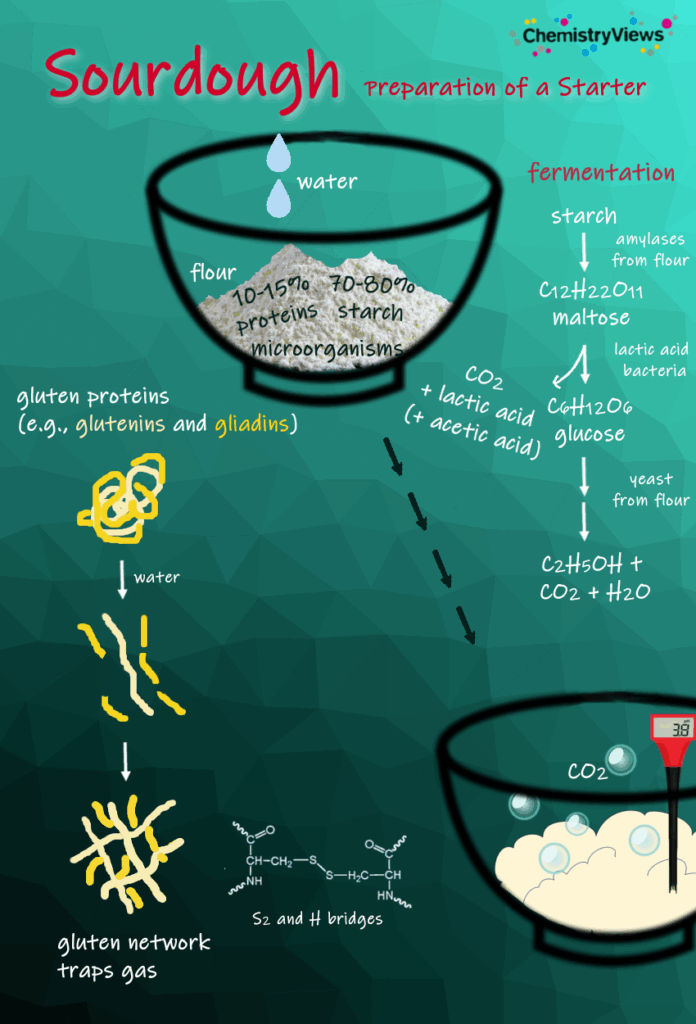
Let’s take a new baking recipe, which is really fermentation chemistry. Recently, a good friend gave me a pretty special sourdough starter, so I decided to try to learn how to make sourdough bread. I had a lot to learn. Sourdough starter is a mix of flour and water that’s a food source for yeasts and bacteria (from the air, maybe your hands, perhaps the flour or even the water!) that digest it and produce fermentation products- a little acid and some carbon dioxide gas. This fermentation is what goes into beer and wine (and kombucha) and baking. Yeast and bacteria digest their food using this chemical process called fermentation.
Here’s a quick and easy diagram that describes it, that I found by googling “sourdough chemistry”:
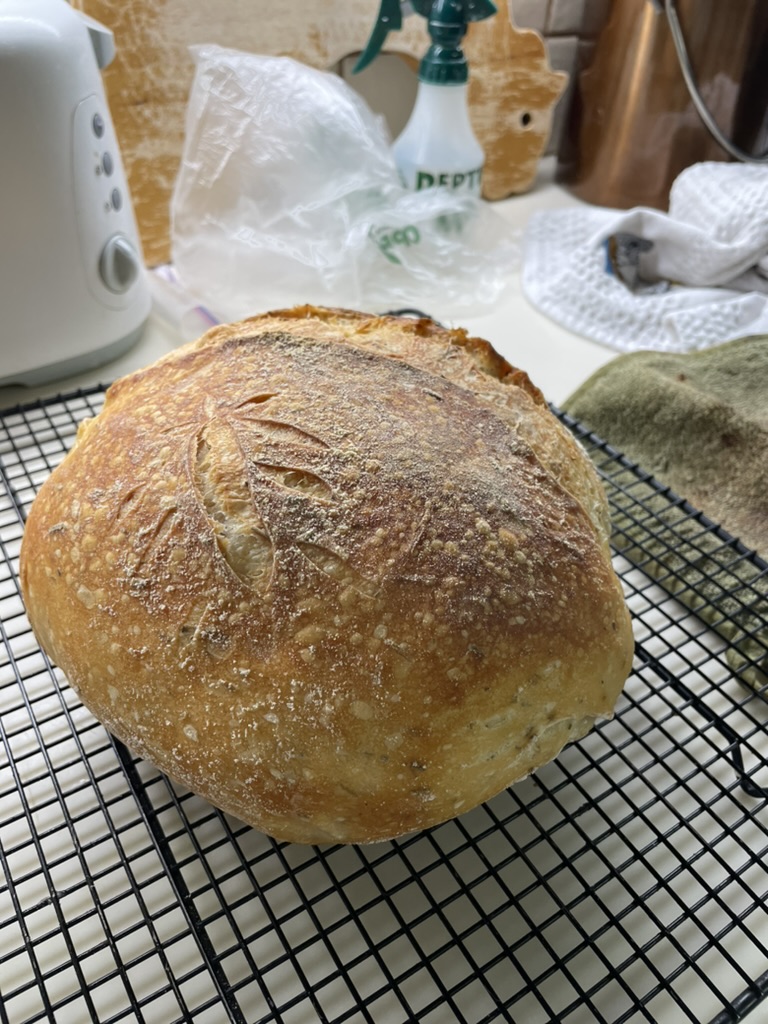
Anyway, we want to create the perfect loaf of sourdough bread. We experiment with how much starter, how much flour, how much salt, what temperature works best (hard to control in my home kitchen), how long in between “feeding” the starter and using some of it to make a loaf of bread. We consult the ideas of others who have made good sourdough. We try a few things and come up with what works best for us. I had to try different things out – I downloaded a bunch of different recipes and watched a couple of you-tube videos, and ruined 4-5 different loaves before I came up with my own “protocol” to follow. [Because, yes, I am a scientist after all. I kept notes and did a few replications.]
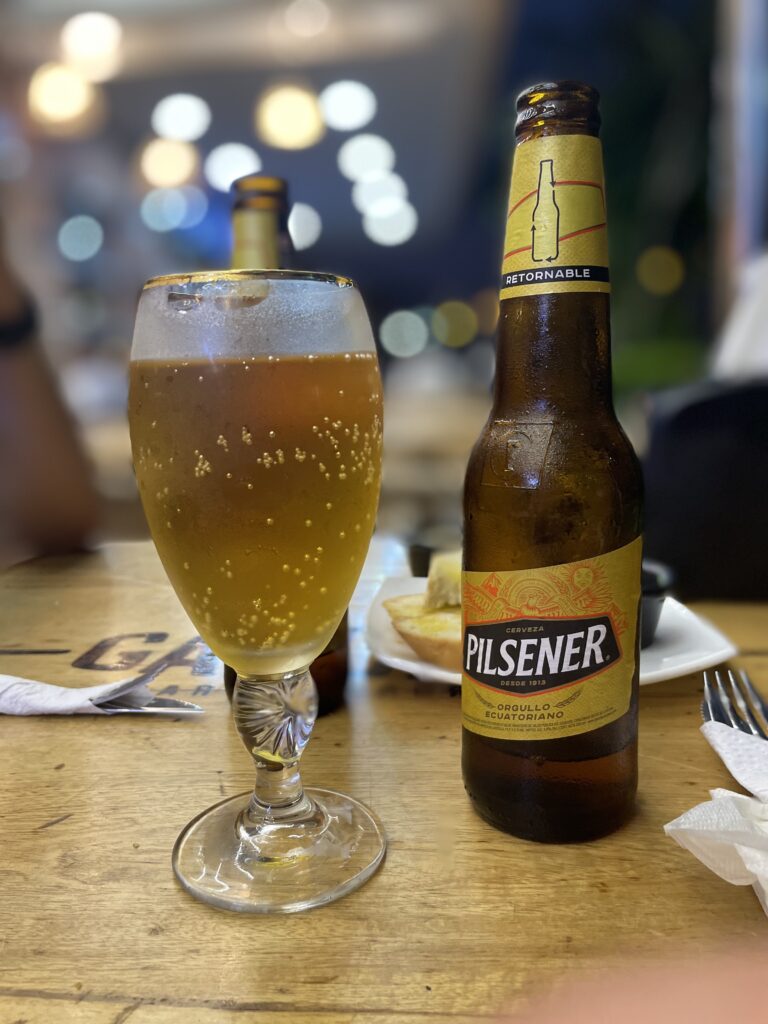
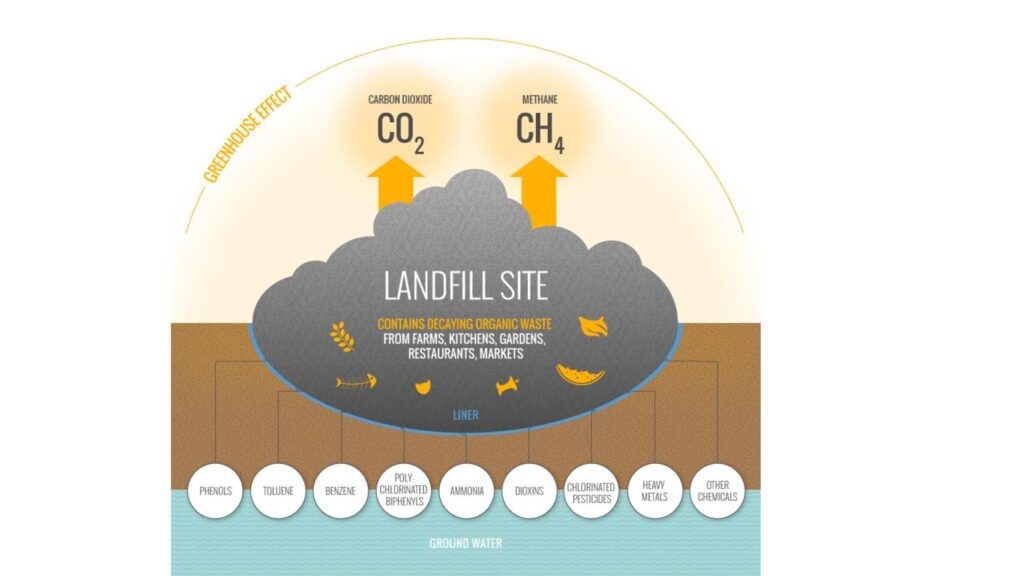
Even if you find the full-out chemistry TMI you still can appreciate the bottom lines: that bacteria or yeast break down the starch in the flour into fermentation products that include acid (to give the bread its tang) and carbon dioxide, to give it an airy, fluffy texture. Learning about this also helps you understand more about fermented beverages, but also the gases that come out of landfills, our own waste production (from the bacteria living in our intestines), and even a little about carbon dioxide/methane emissions from cattle that contributes to global warming! You can see how this chemical process in bacteria can be found over and over again on the living planet. And, cool- you’ve learned some really cool chemistry without it seeming too hard or complex.

So, what if we taught chemistry starting from these real-world needs and habits—baking, gardening, staying healthy—instead of abstract formulas? What if we led with relevance, then layered in the scientific depth? Let’s face it- hardly any of us go on after high school to become scientists, but we ALL experience the chemistry of life every day. We might just recapture that sense of wonder many of us had when we first saw colors appear in a beaker or watched sugar crystals form at the bottom of a glass.
Chemistry isn’t just a subject in school. It’s the story of how our world works—how we cook, clean, breathe, heal, and connect. It’s a language that explains both the fizz of soda and the process of digestion, the green in spinach and the chemistry of our emotions. It’s not just for scientists—it’s for all of us.
If we begin to embrace the idea that learning chemistry can be as intuitive and exploratory as following a recipe or figuring out our post-exercise drink routine, then maybe, just maybe, we’ll no longer consider chemical a four-letter word, unless the word is love.



May 26, 2025
Love it! Next project–have your students design curriculum modules for middle school science class? Maybe in partnership with the local school?
May 23, 2025
This is really informative. Thanks for posting! How can I help spread the word?
May 24, 2025
Thanks! Share it with your friends.